In our weekly report, we discussed how the Pakistan Navy (PN) is taking an conservative approach to the Jinnah-class frigate. We contended that surface combatants are, fundamentally, not the PN’s priority from an active warfighting perspective.
This is not to say surface combatants are not crucial to the PN’s planning; rather, surface warships serve a pivotal role in that they drive the PN’s peacetime roles, such as building a presence at sea, providing an initial defensive layer in some areas (such as area-wide air defence), and supporting wartime functions in coordination with other assets, such as anti-submarine warfare (ASW).
However, these roles do not necessitate much beyond the modest configuration planned for the Jinnah-class frigate, which is, at most, a relatively minor, iterative improvement to the Babur-class corvette, with the most apparent change being four additional vertical launch system (VLS) cells.
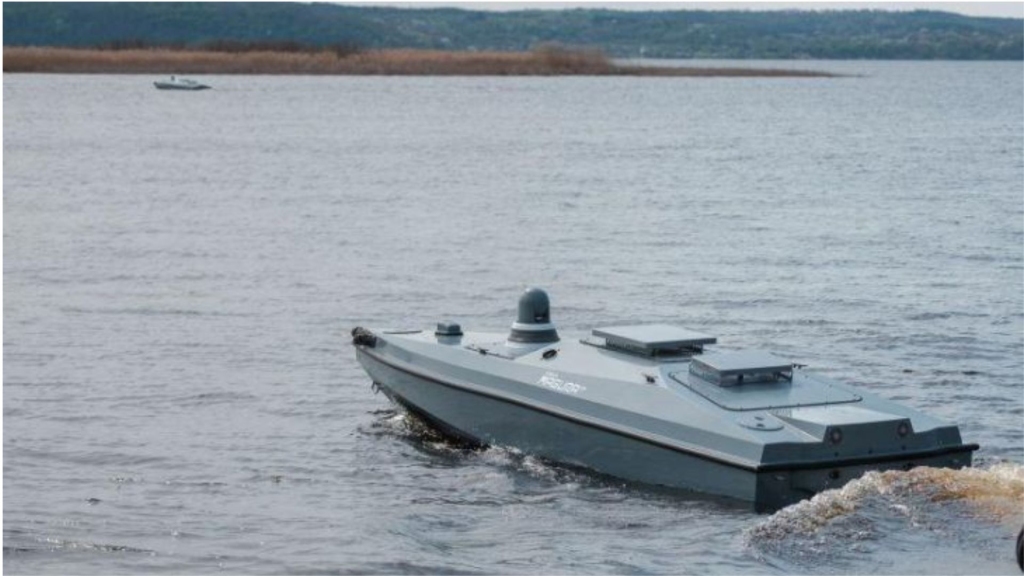
That said, we also highlighted that shifts in naval technology could even eat into the importance of surface warships from a warfighting perspective. The most notable shift in this sense would be the emergence of unmanned surface vehicles (USV).
USVs are in their early development stages and, even today, take a diverse range of forms, from China’s 400+ ton JARI-USV-A, which is armed with 12 VLS cells for surface-to-air missiles (SAM) and anti-ship cruising missiles (ASCM), on one end, and the more common sub-10-ton lightweight attack boat-inspired designs from Turkey, Ukraine, and many others.
Quwa Plus
Go Beyond the Headlines on Pakistan’s Defence and Security.
Quwa Plus gives you deeper reporting, briefings, and analysis on Pakistan’s defence programs, foreign policy, national security, and regional strategy. Follow the developments that matter to professionals, analysts, and serious readers tracking Pakistan’s security landscape.
Join ($29.99/Year) Already a subscriber?Sign in