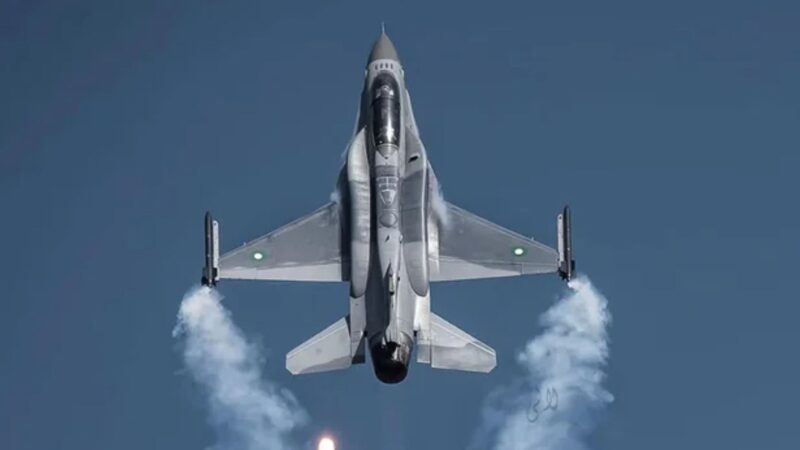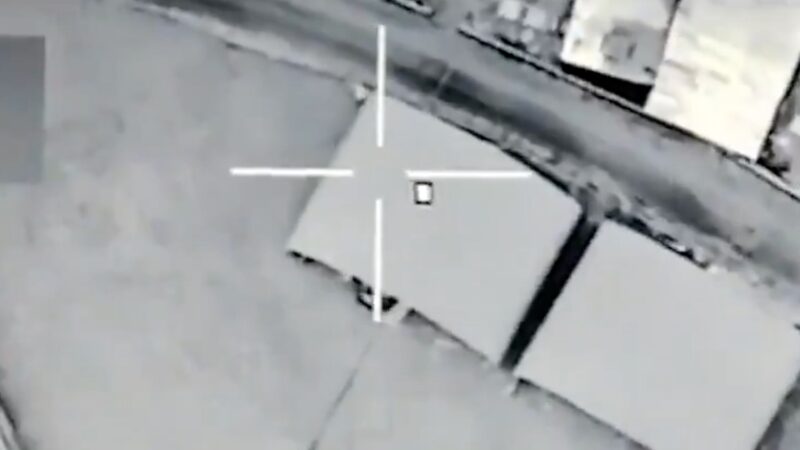


The Indian Air Force (IAF) revealed an interesting detail about the Pakistan Air Force’s (PAF) airstrike on the former’s S-400 air defence system. Basically, the IAF contends that it moved the S-400’s systems ahead of the PAF airstrike.
Without getting into the validity of either side’s claims, one truth is apparent: the PAF is at risk of ‘stale targeting’ when it comes to mobile assets, like air defence systems and others. Information about a target’s location or deployment cannot be taken for granted and can become out-of-date ahead of a strike, rendering sorties, munitions use, and even possibly personnel loss null due to said target being missed.
The PAF recognizes the risk, which is why it began taking space development seriously, and that too years ahead of the recent conflict with India in May 2025. In 2021, the PAF revealed a ‘Space Command’ to ostensibly leverage Pakistan’s then growing inventory of orbiting satellites, notably the PRSS-1, its first sovereign-controlled remote-sensing satellite equipped with an electro-optical (EO) system in 2018.
Pakistan likely supplanted the PRSS-1, launched in 2018 with a stated operational life of seven years, with the PRSC-EO1 in January 2025. A recent article on the PAF by AirForces Monthly indicated that Space Command was using satellites for ISR.
However, there are constraints. PRSS-1 had a revisit rate of four days, meaning that was the time it would take for it to take fresh imagery of an area. PRSC-EO1’s revisit rate was not disclosed, but it was unlikely to have been less than one day.
Quwa Plus
Go Beyond the Headlines on Pakistan’s Defence and Security.
Quwa Plus gives you deeper reporting, briefings, and analysis on Pakistan’s defence programs, foreign policy, national security, and regional strategy. Follow the developments that matter to professionals, analysts, and serious readers tracking Pakistan’s security landscape.
Join ($29.99/Year) Already a subscriber?Sign in