This article was written by Farooq B, an open source intelligence (OSINT) analyst specializing on Pakistani defence procurement and development programs. For more of Farooq’s insights, follow him on X.
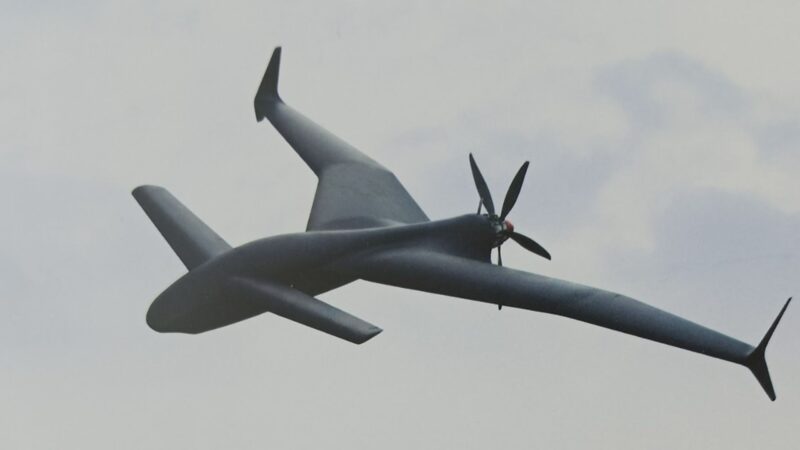
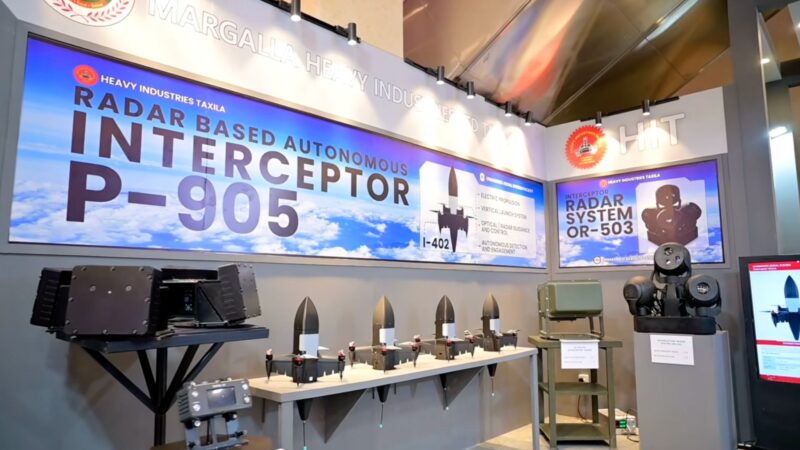
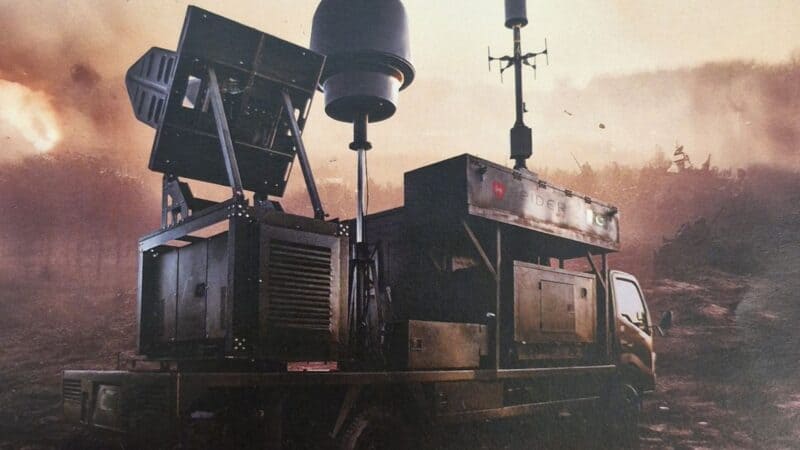
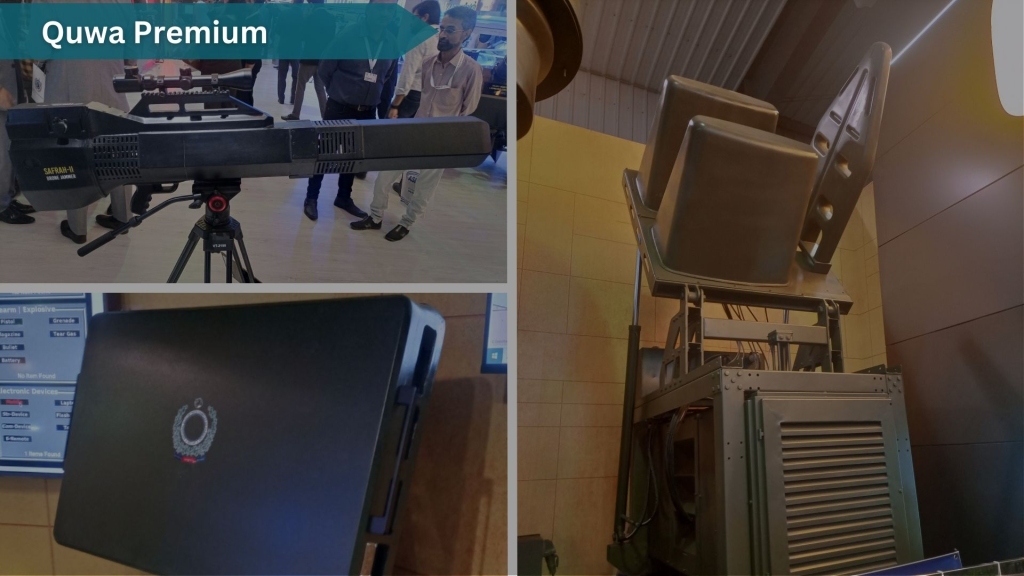
Pakistan’s state-owned enterprises (SOE) have shown significant strides in their efforts to develop counter-unmanned aerial system (C-UAS) solutions.
The primary intended market for these C-UAS solutions is the Pakistani military. Although each of the Pakistan Army (PA), Pakistan Navy (PN), and Pakistan Air Force (PAF) have heavily invested in their respective unmanned aerial vehicle (UAV) fleets and loitering munition inventories, they will also be contending against enemy drone threats. Therefore, gaining the means for both employing and defending against drone weapons is a matter of urgency.
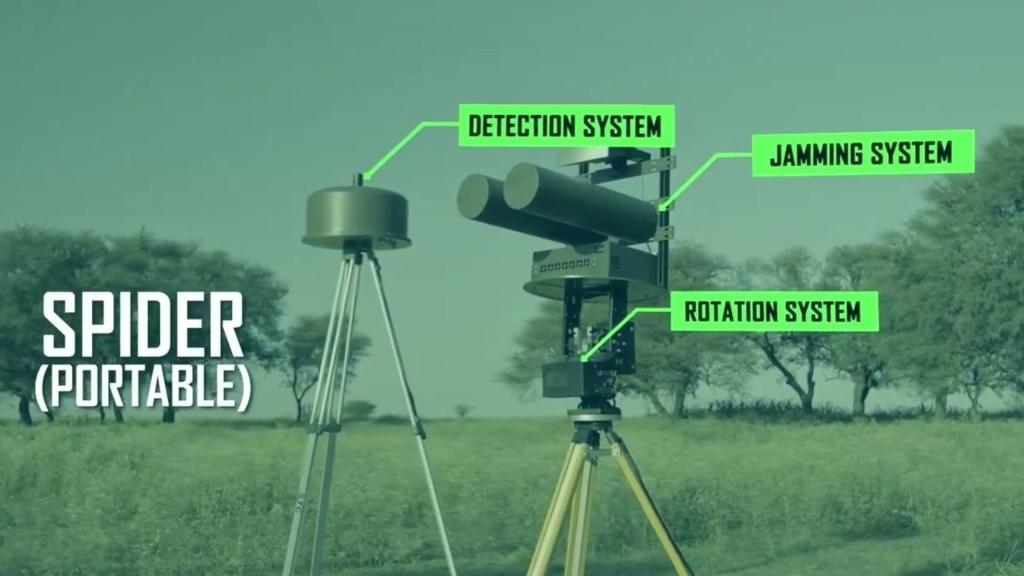
DESTO SPIDER Portable
Quwa Plus
Go Beyond the Headlines on Pakistan’s Defence and Security.
Quwa Plus gives you deeper reporting, briefings, and analysis on Pakistan’s defence programs, foreign policy, national security, and regional strategy. Follow the developments that matter to professionals, analysts, and serious readers tracking Pakistan’s security landscape.
Join ($29.99/Year) Already a subscriber?Sign in