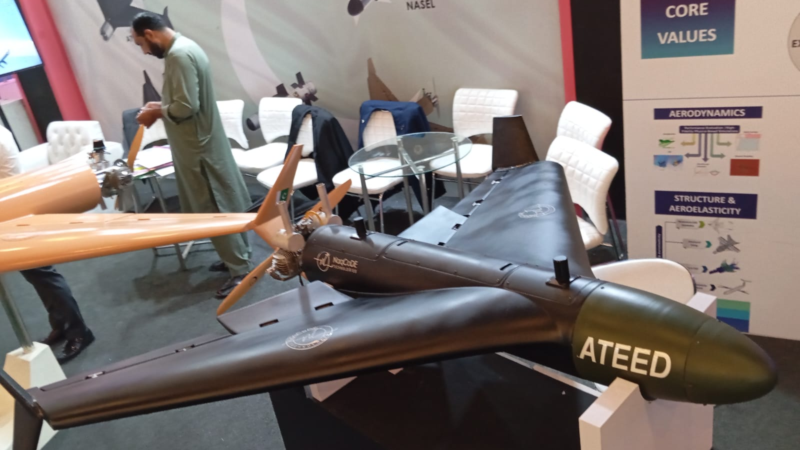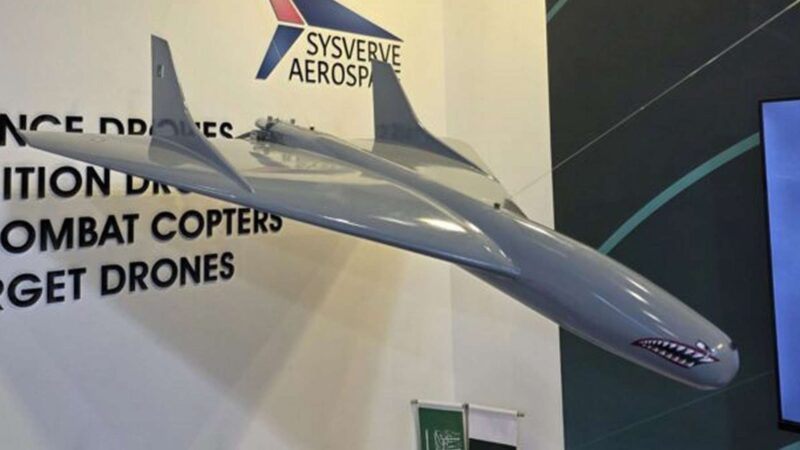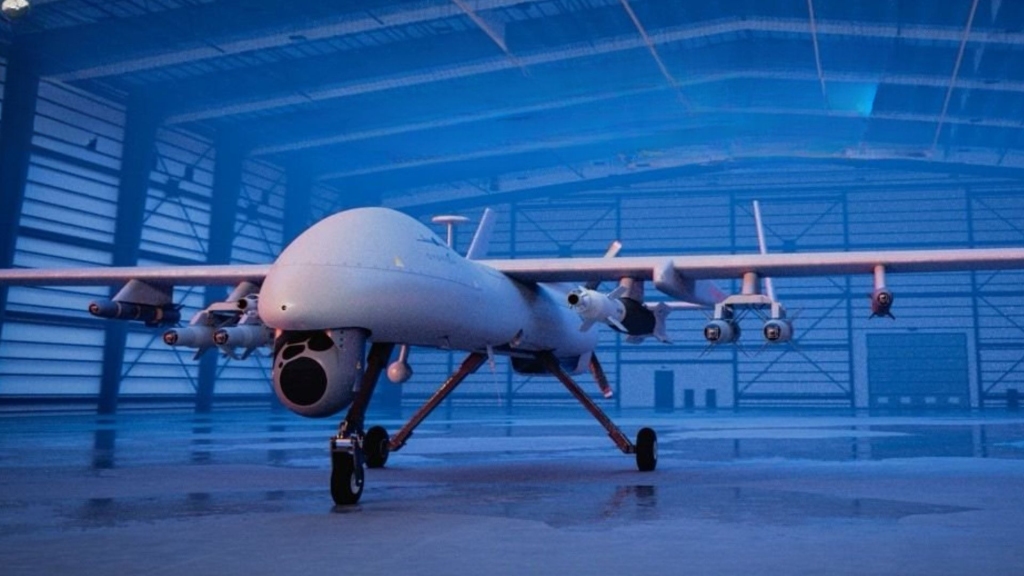
At the 2024 International Defence Exhibition and Seminar (IDEAS 2024) in Karachi, Pakistan, Global Industrial and Defence Solutions (GIDS) – a conglomerate of many Pakistani state-owned enterprises (SOE) – held a major showcase of its latest unmanned aerial vehicle (UAV) program, the Shahpar-III.
The GIDS Shahpar-III is Pakistan’s largest and most advanced drone program to-date. A Group 4-class medium-altitude long-endurance (MALE) UAV with a maximum take-off weight (MTOW) of 1,650 kg, the Shahpar-III promises significant range and a much-improved payload and varied mission capability compared to any of Pakistan’s other domestic drones.
On the surface, the Shahpar-III’s specifications reflect a design that is similar in size to China’s CH-4, Turkiye’s Anka-S, and the American MQ-1C Gray Eagle. However, as the Shahpar-III is yet to fly, the actual performance of Pakistan’s new drone is to be determined.
Reconnaissance and Targeting
Like the Shahpar-II, GIDS offers the Shahpar-III with an electro-optical and infrared (EO/IR) turret. The default option will be the Zumr–II, also offered by GIDS. This would equip the Shahpar-III with real-time video monitoring and aerial imaging as well as the capability to guide semi-active laser-homing (SALH) munitions.
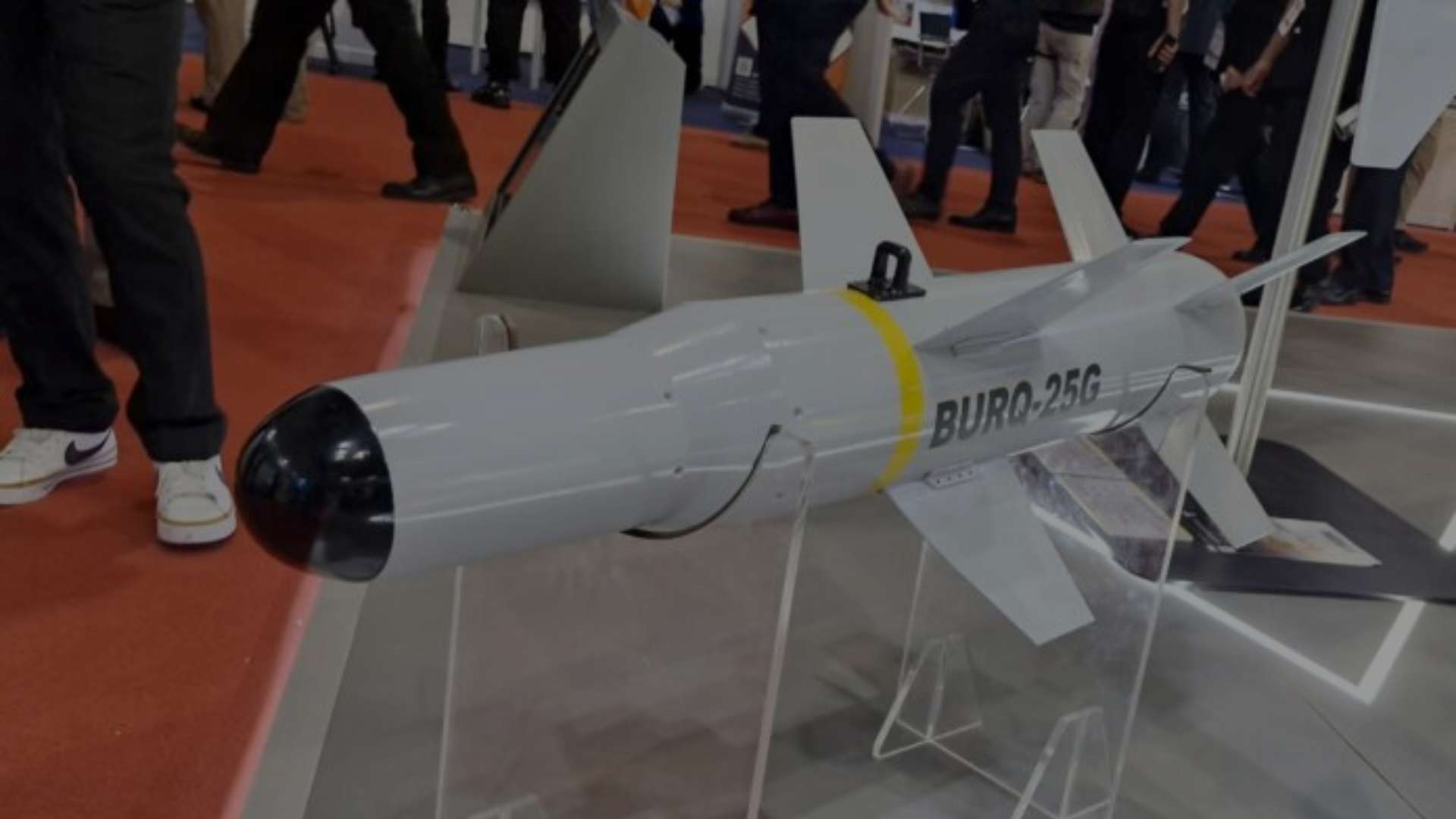
In effect, the Shahpar-III would build on the Shahpar-II by delivering much more endurance, range, and payload. For the latter, Shahpar-IIIs can be equipped with more individual AGMs, such as the Burq-series.
GIDS also introduced a synthetic aperture radar (SAR) for use from the Shahpar-III. This SAR will have ground-moving target indication (GMTI) to help with identifying and tracking targets. This SAR would likely be a key ISTAR piece for maritime operations.
Electronic Intelligence
In its showcase at IDEAS 2024, GIDS also revealed a variant of the Ribat electronic support measures (ESM) suite designed for aircraft, including drones. The Ribat is a family of ESM systems the PN uses across its surface warships and, in the near future, submarines. However, it now seems that the Ribat will also be applied to airborne applications, including small aircraft such as drones.
Quwa Plus
Go Beyond the Headlines on Pakistan’s Defence and Security.
Quwa Plus gives you deeper reporting, briefings, and analysis on Pakistan’s defence programs, foreign policy, national security, and regional strategy. Follow the developments that matter to professionals, analysts, and serious readers tracking Pakistan’s security landscape.
Join ($29.99/Year) Already a subscriber?Sign in