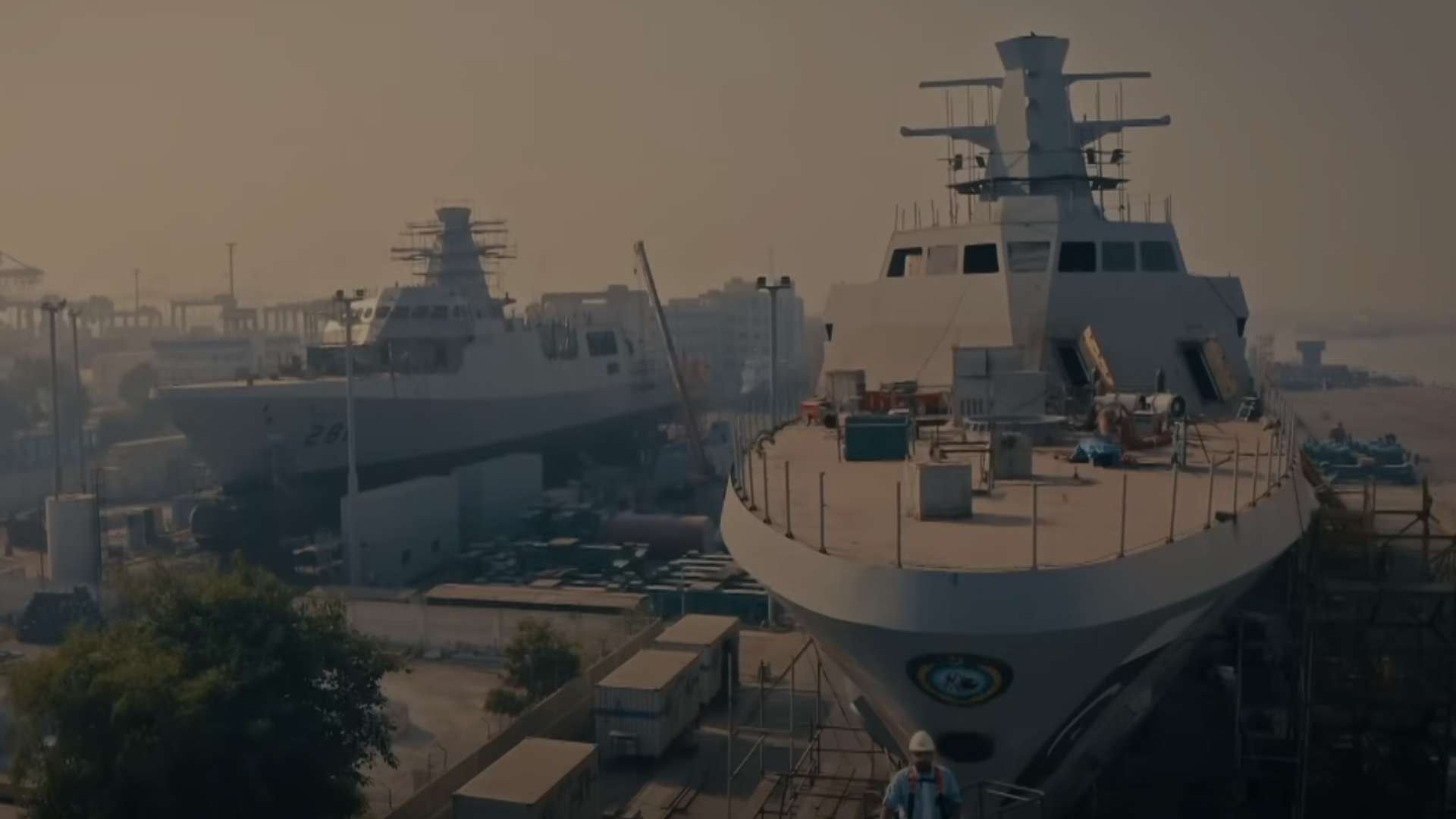
Last week, the Pakistan Navy (PN) appointed a new Chief of Naval Staff (CNS), Admiral Naveed Ashraf, who will succeed Admiral Amjad Khan Niazi in the PN’s top role. Like his predecessor, Admiral Ashraf will inherit an expansive modernization effort across the PN’s surface, sub-surface, and aviation domains, one that is arguably unprecedented in scope and complexity in the PN’s history.
In part one of this report, Quwa reviewed the PN’s roadmap for expanding its surface fleet across frigates, corvettes, offshore patrol vessels (OPV), and patrol boats. Part two will explore the PN’s sub-surface, rotary and fixed-wing aviation, drone, and munitions procurement plans.
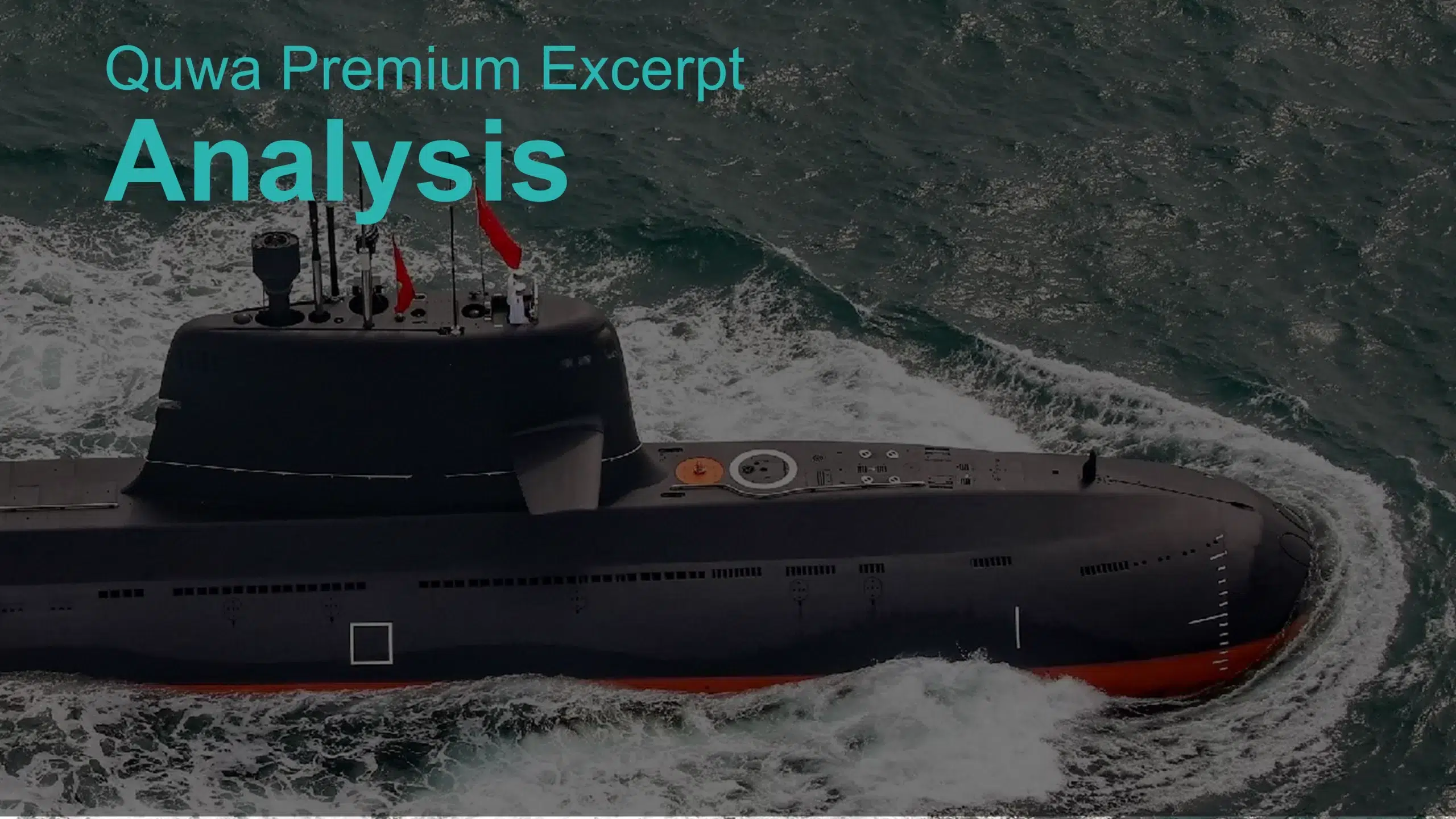
Things are quieter on the sub-surface front, though that has much to do with the secrecy surrounding the PN’s ‘silent service.’ In 2015, the PN ordered eight S26-based air-independent propulsion (AIP)-equipped submarines (SSP) from China Shipbuilding & Offshore International Co. Ltd (CSOC). Under the contract, the first four ships would be built in China, while the remaining four in Pakistan by KSEW.
Christened as the Hangor-class, the first four boats were due for delivery in 2023. However, Germany’s refusal to release MTU-396 diesel engines likely delayed the program, pushing the PN to leverage China’s CHD620 in its place. KSEW also confirmed that the Hangor-class SSP will use a Sterling AIP system, which is a standard feature of the S26. Thus, it is unlikely that the PN pursued many modifications to the baseline S26 aside from making it compatible with the Babur-3 submarine-launched cruise missile (SLCM).
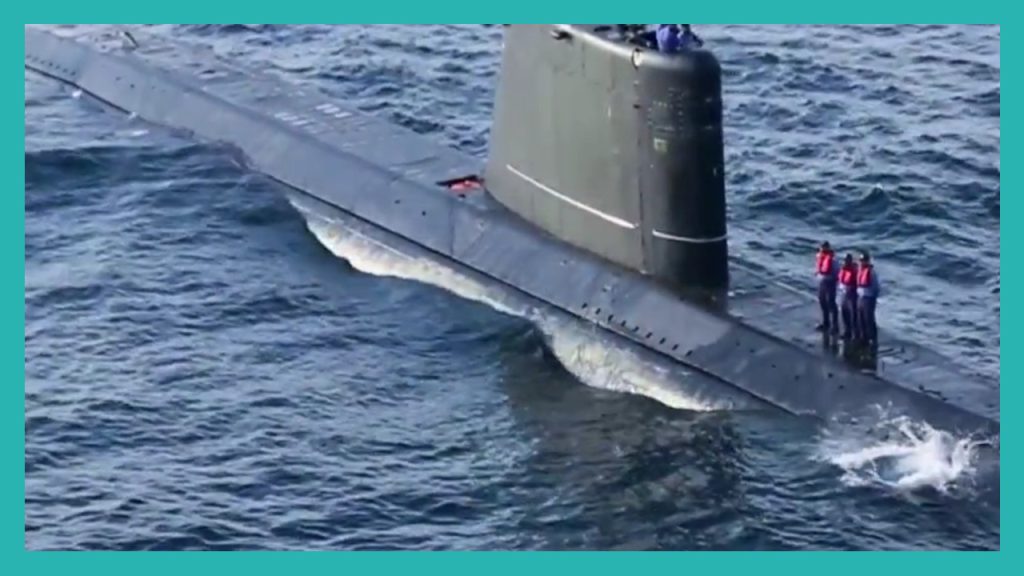
KSEW is building at least two of the four remaining Hangor-class SSPs; it laid the keel for the fifth boat and cut the steel of the sixth boat in December 2022. The PN is due to receive all eight boats by 2028, joining the three Agosta 90Bs with upgraded sensors and other subsystems. Overall, the PN will have 11 SSPs, i.e., second only to India in terms of size in the region, but relatively large considering Pakistan has a markedly smaller coast. This does not include specialized submarines in the PN’s possession, like miniature boats.
In parallel, the PN also has a shallow-water attack (SWAT) submarine program. The status of this program is unclear, though it appears that it is active, with OEMs still promoting their solutions as late as February 2023. The PN is seeking an AIP-equipped design with a displacement of around 700 to 900 tons, but with an emphasis on driving special operations and asymmetrical missions. It could seek two to four boats.
Though upgraded, the Agosta 90Bs are aging, and they lack OEM support from France’s Naval Group. Thus, the PN will likely begin exploring a successor in the late 2020s and, in turn, aim to introduce a new line of SSPs by the late 2030s. This could push the PN to pursue an original submarine program, either through a domestic initiative, or collaboratively with Turkey. Turkey’s Minister of Foreign Affairs, Mevlüt Çavuşoğlu, reportedly said that the PN is interested in working with Turkey on submarines. While likely in reference to the SWAT program, working with Turkey could create a pathway to a larger SSP program.
For the PN, the silent service will remain the key to its strategy of deterring enemy activity, thus it is unlikely that the surface fleet investment would outpace submarine procurement. Basically, an original SSP project could be pursued earlier if the goal was to further expand the PN sub-surface fleet. Alternatively, the PN’s SWAT program – especially as a 700-900-ton AIP-equipped boat – could be a pathway to growing its ASuW and ASW sub-surface capabilities. In fact, it would not be surprising if the SWAT project becomes the basis for an original SSP design; basically, the submarine equivalent of the Jinnah-class frigate.
On the aviation front, the PN is heavily leaning on new, original solutions. The centerpiece of its roadmap is the ‘Sea Sultan,’ a long-range maritime patrol aircraft (LRMPA) based on the Embraer Lineage 1000E. In 2021, the PN awarded contracts to Paramount Group and Leonardo to refurbish and retrofit the first unit, respectively. In 2022, the PN issued a follow-on contract to Paramount Group for two additional aircraft – the PN has a total requirement of 10 Sea Sultan LRMPAs to replace its aging P-3C Orion aircraft.
The Sea Sultan LRMPA will be configured for ASuW and ASW, though the vendors for the specific munitions have not been disclosed. The PN will likely work with Western suppliers across both, especially as Leonardo is responsible for configuring the jetliners for the LRMPA role.
Don't Stop Here. Unlock the Rest of this Analysis Immediately
To read the rest of this deep dive -- including the honest assessments and comparative analyses that Quwa Plus members rely on -- you need access.