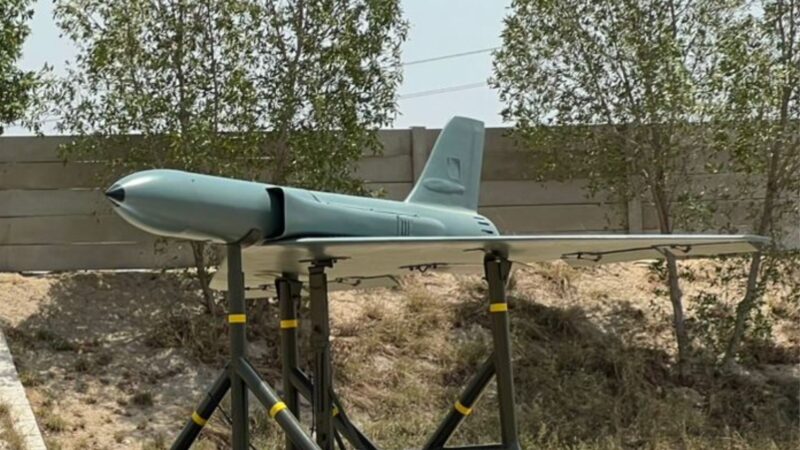
Iranian Shahed-type loitering munitions began striking Gulf Cooperation Council (GCC) targets in March 2026. The first call for counter-drone help went to Kyiv, not Islamabad.
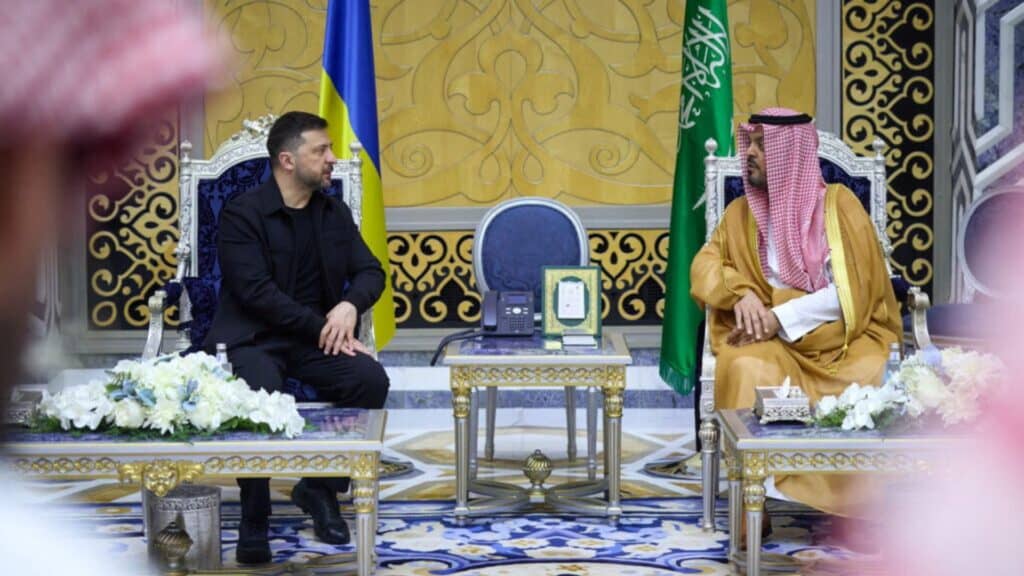
Within weeks, Ukraine signed 10-year defence cooperation agreements with Saudi Arabia, Qatar, and the United Arab Emirates (UAE) covering interceptor drone exports, counter-drone training, and – in Qatar’s case – joint manufacturing facilities. By mid-March, 228 Ukrainian counter-drone specialists were deployed across five Gulf states, establishing sensor networks, command-and-control (C2) protocols, and intercept crew training programmes.
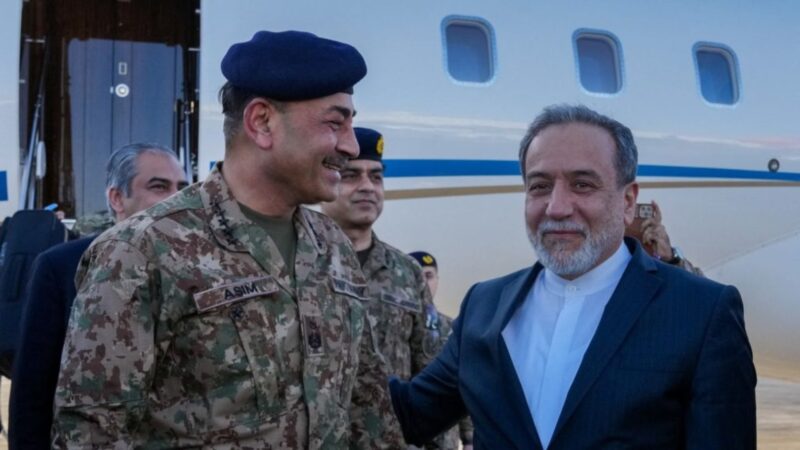
This is a disquieting outcome for Pakistan on multiple levels. Pakistan signed a defence cooperation agreement with Saudi Arabia in late 2025 – an agreement that both sides treated as a signal of deepened security commitment.
Saudi commentators discussed its implications in the American media. Riyadh appeared to view the agreement as a framework for actionable security cooperation. When Iranian missiles and drones began striking Saudi territory, one could reasonably have expected Pakistan to be among the first responders.
Instead, Pakistan’s posture remained ambiguous. There was no reported deployment of Pakistani military assets to Saudi Arabia, nor any facilitation of counter-unmanned aerial system (C-UAS) technology on Riyadh’s behalf.
Quwa Plus
Go Beyond the Headlines on Pakistan’s Defence and Security.
Quwa Plus gives you deeper reporting, briefings, and analysis on Pakistan’s defence programs, foreign policy, national security, and regional strategy. Follow the developments that matter to professionals, analysts, and serious readers tracking Pakistan’s security landscape.
Join ($29.99/Year) Already a subscriber?Sign in