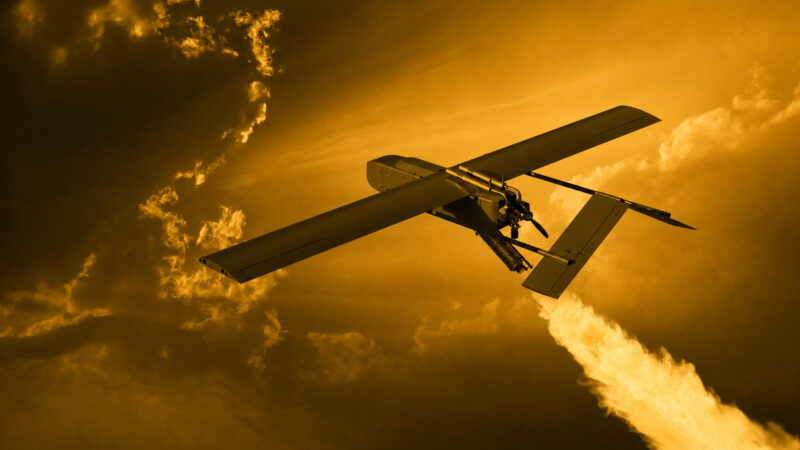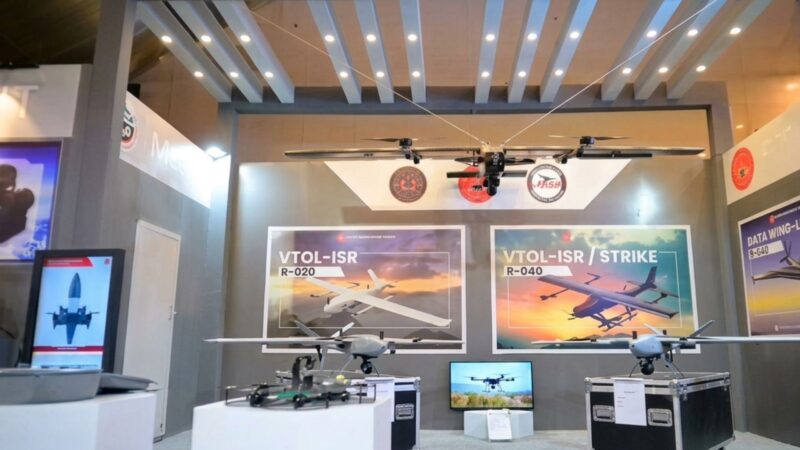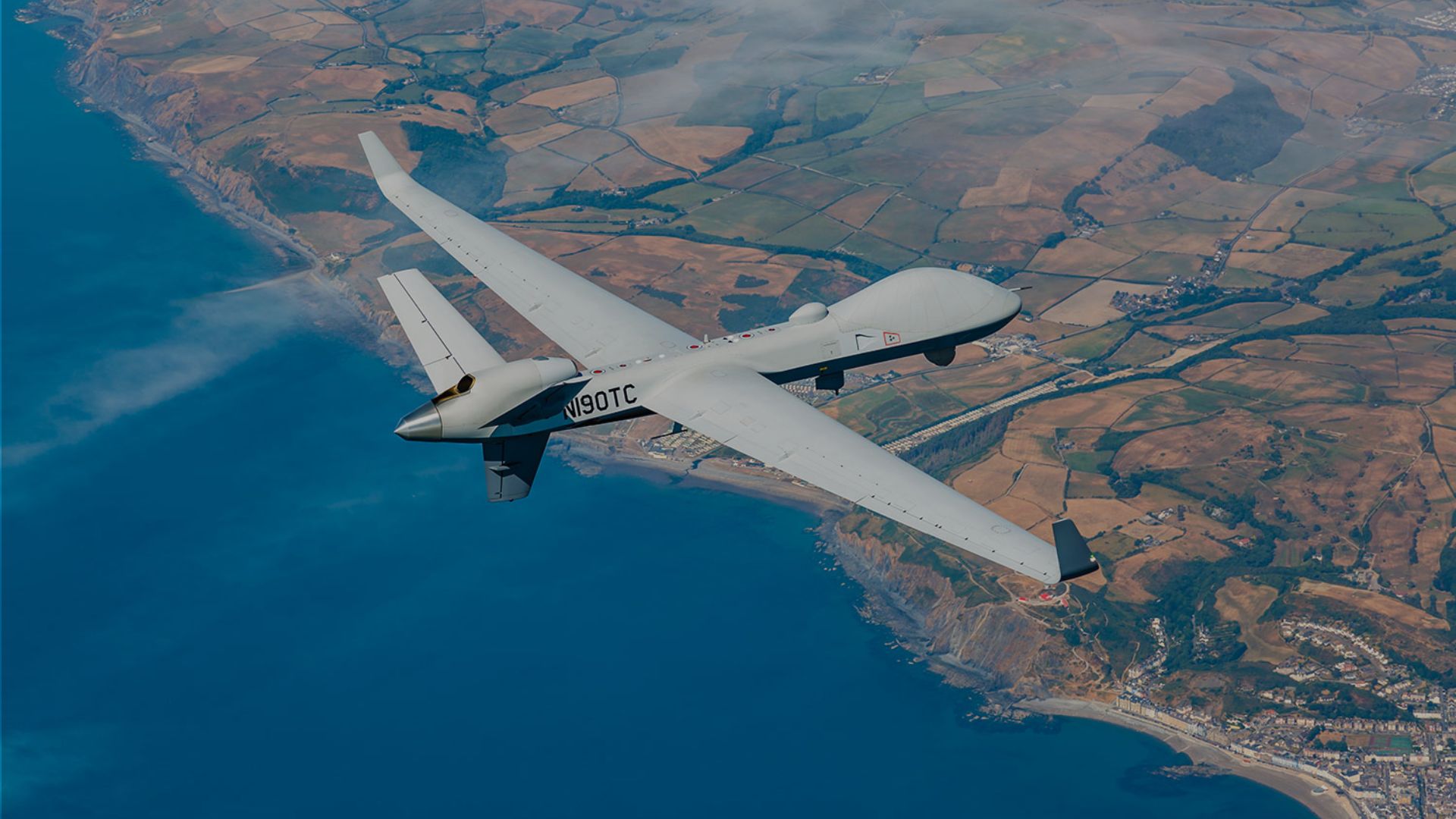

Gulf states targeted by Iranian drone strikes are turning to Ukraine for counter-drone expertise and interceptor unmanned aerial vehicles (UAVs), creating what could become the first large-scale defence-export campaign for Kyiv’s wartime drone industry.
Ukrainian President Volodymyr Zelensky told the UK Parliament on 17 March that 201 Ukrainian military experts are operating across the Gulf region, with a further 34 ready to deploy. Ukrainian Security Council Secretary Rustem Umerov subsequently confirmed that interception units are active in five countries – the United Arab Emirates (UAE), Qatar, Saudi Arabia, Kuwait, and Jordan – with coverage expanding.
The deployments followed requests from more than 10 countries, including the United States. Zelensky framed the effort as part of a broader ‘Drone Deal’ proposed to Washington, though the agreement remains unsigned.
The Cost Asymmetry
The speed of these deployments is driven by a structural mismatch in Gulf air defences. The region’s air defence architecture was built around Patriot and THAAD batteries designed to intercept ballistic missiles at high altitude. Iranian Shahed-type one-way attack (OWA) drones – slow, low-flying, and launched in swarms – exploit an altitude band these systems were not optimized for.
Quwa Pro
See Where Emerging Defence Markets are Moving
Quwa Pro goes beyond tracking programs and equipment by explaining the policies, incentives, industry dynamics, and competitive pressures shaping South Asia's defence markets.
Subscribe Already a subscriber?Sign in