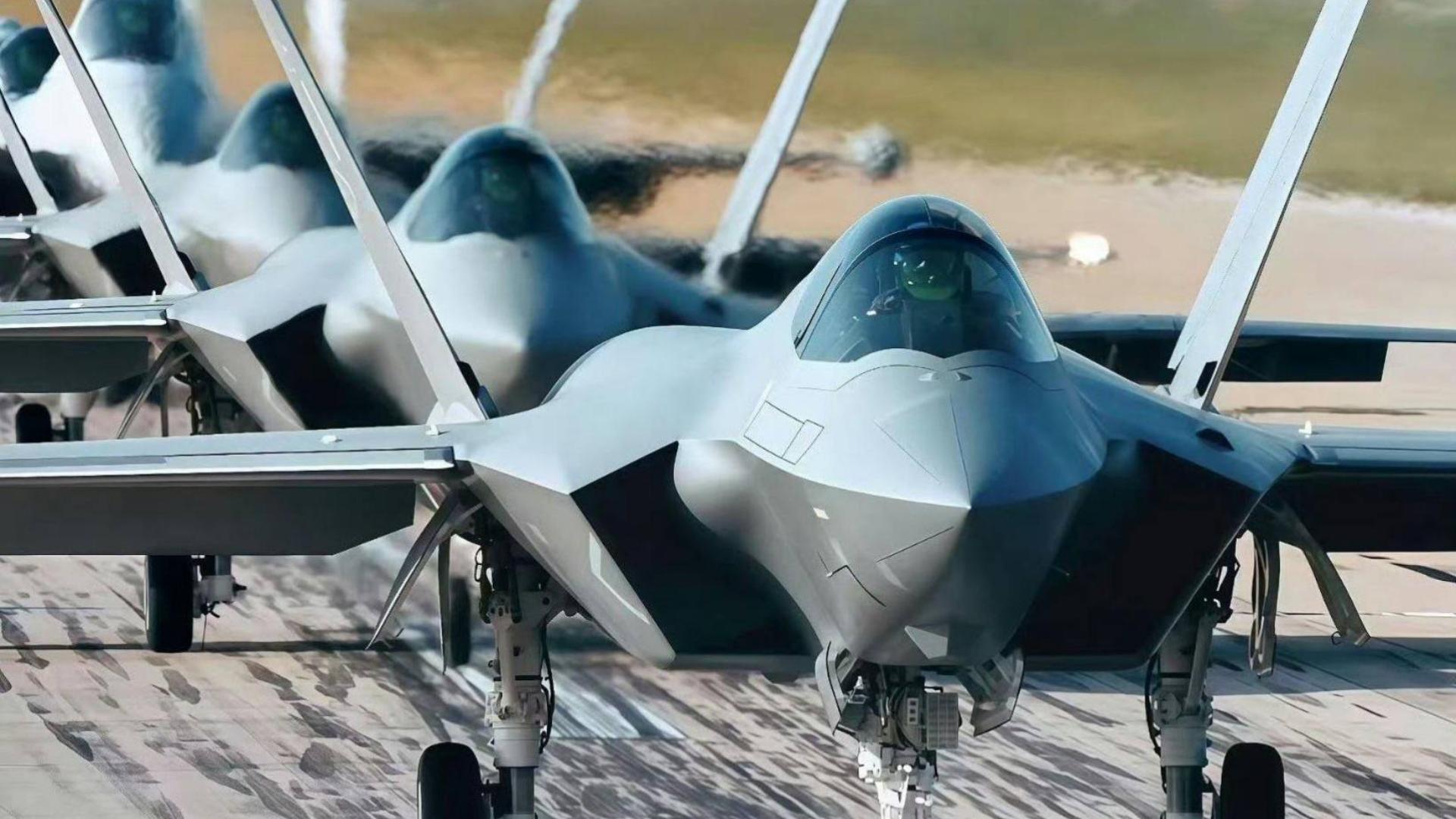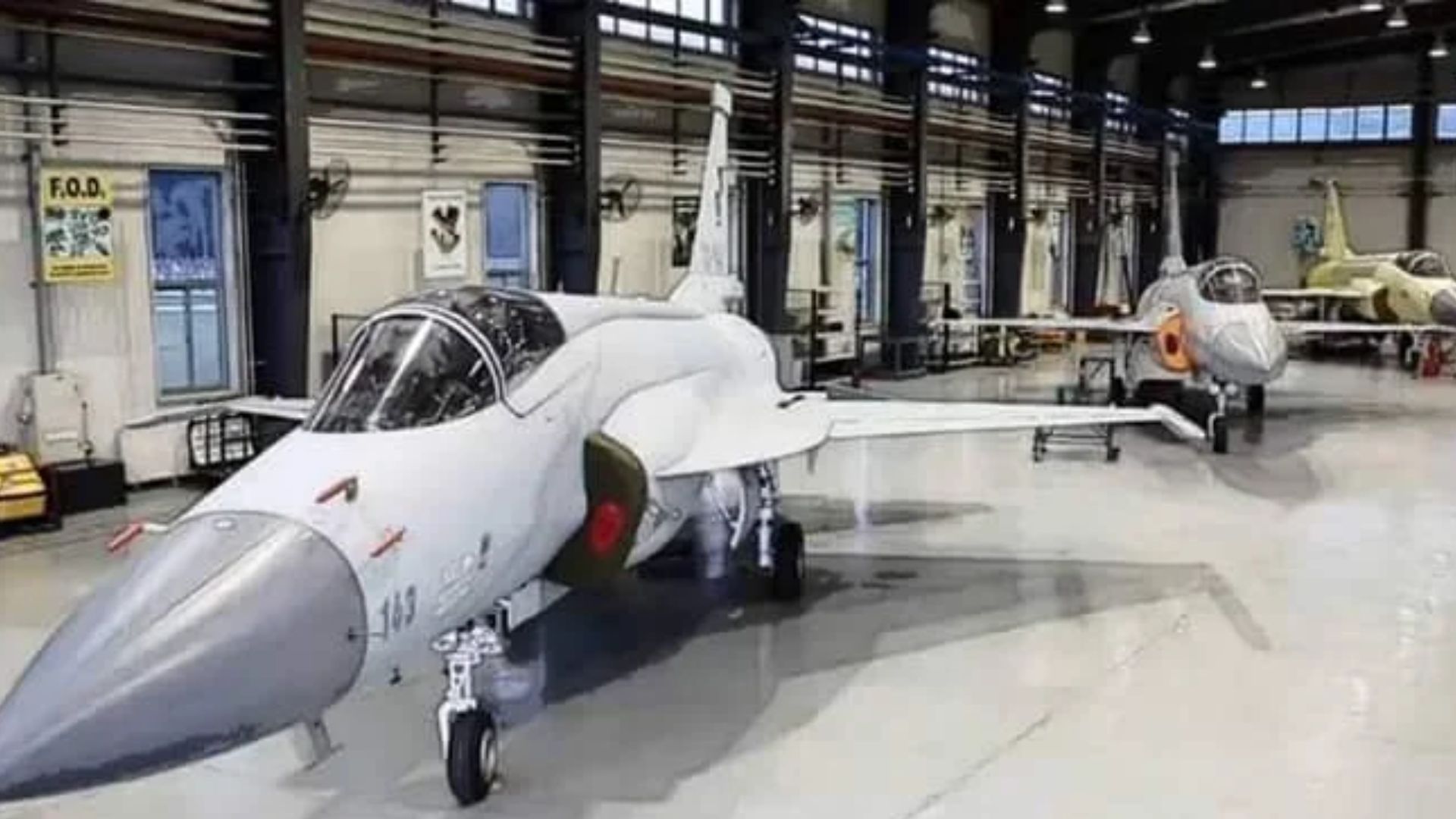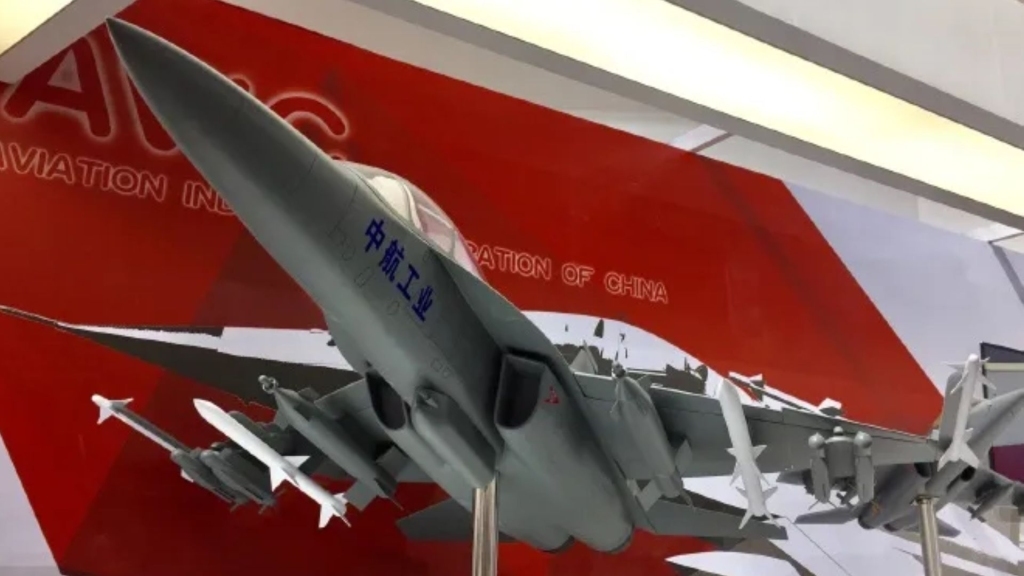
Recently, Hongdu Aircraft Industry Group (HAIG) test flew a new lead-in fighter-trainer (LIFT), a twin-tail, twin-engine configuration with swept-back wings and reinforced landing gear, designed for carrier landings and intended for the People’s Liberation Army Navy Air Force (PLANAF). This would be HAIG’s third trainer program, following the L-15 and K-8, the latter of which is in service with the Pakistan Air Force (PAF).
However, as of 2023, the PAF was also planning to procure the L-15B to meet its own LIFT requirements. Granted, the PAF’s perspective of dedicated LIFT aircraft swung in different directions at different points.
In the early to mid-2010s, the PAF leadership viewed LIFTs as relatively expensive for the training role and believed that it could leverage the twin-seat JF-17B instead. However, in 2018, PAF planners changed their minds, signalling that they not only wanted a dedicated LIFT but preferred one with a multi-mode radar, a tactical data-link (TDL) system, and afterburning engines.
By late 2023, the HAIG L-15B had arrived in Pakistan for testing, and since then, no reports have been made about a deal being signed. Did the PAF change its mind (again)? While a possibility, other priorities (e.g., growing the air defence system) were earmarked over the LIFT. However, this author contends that the PAF will pursue LIFT aircraft; the evolving nature of air warfare demands it now more than ever. Moreover, the emergence of new threats (e.g., drones and loitering munitions) and issues (e.g., persistent low-intensity threat landscapes on the Afghan border) may merit one.
Get access to this article and all other Quwa content today.
Click Here
Related Reads
- Reaction, Not Range: The Future of Pakistan’s Air Defence System
- The One Fighter the Pakistan Air Force Needs More Than Stealth
- Pakistan’s Shift to Satellites, Electronic Warfare, and Cruise Missiles
In effect, not only have the subsystems advanced to a new level from the mid-2010s, but the underlying concepts have changed as well. So, AHQ will need to decide: does it want to acclimate pilots to the newer HMI environment at an earlier level, or offload the work to operational conversion units (OCU) that also need to train pilots on the aircraft? If the latter, then it will place more of a burden on the OCU level and, in turn, increase the risk of delays in provisioning pilots to frontline units and, potentially, other risks tied to the OCU aircraft themselves (as the pilots would not be familiar with the 4.5/5th-generation workflows).
Overall, the LIFT training stage is not solely about acclimating pilots to fighter-like flight rigours, but also educating them on the new workflows that 4.5+/5th-generation aircraft require. For example, the AESA radar would work in conjunction with electro-optical tracking systems (EOTS) or an infrared search and track (IRST) system. It might also leverage data via electronic warfare (EW) arrays, off-board sensors (e.g., from drones and special mission aircraft), and other sources. This is just one of many new workflows; thus, realistically, how much of a burden can an OCU unit shoulder in training pilots on concepts?
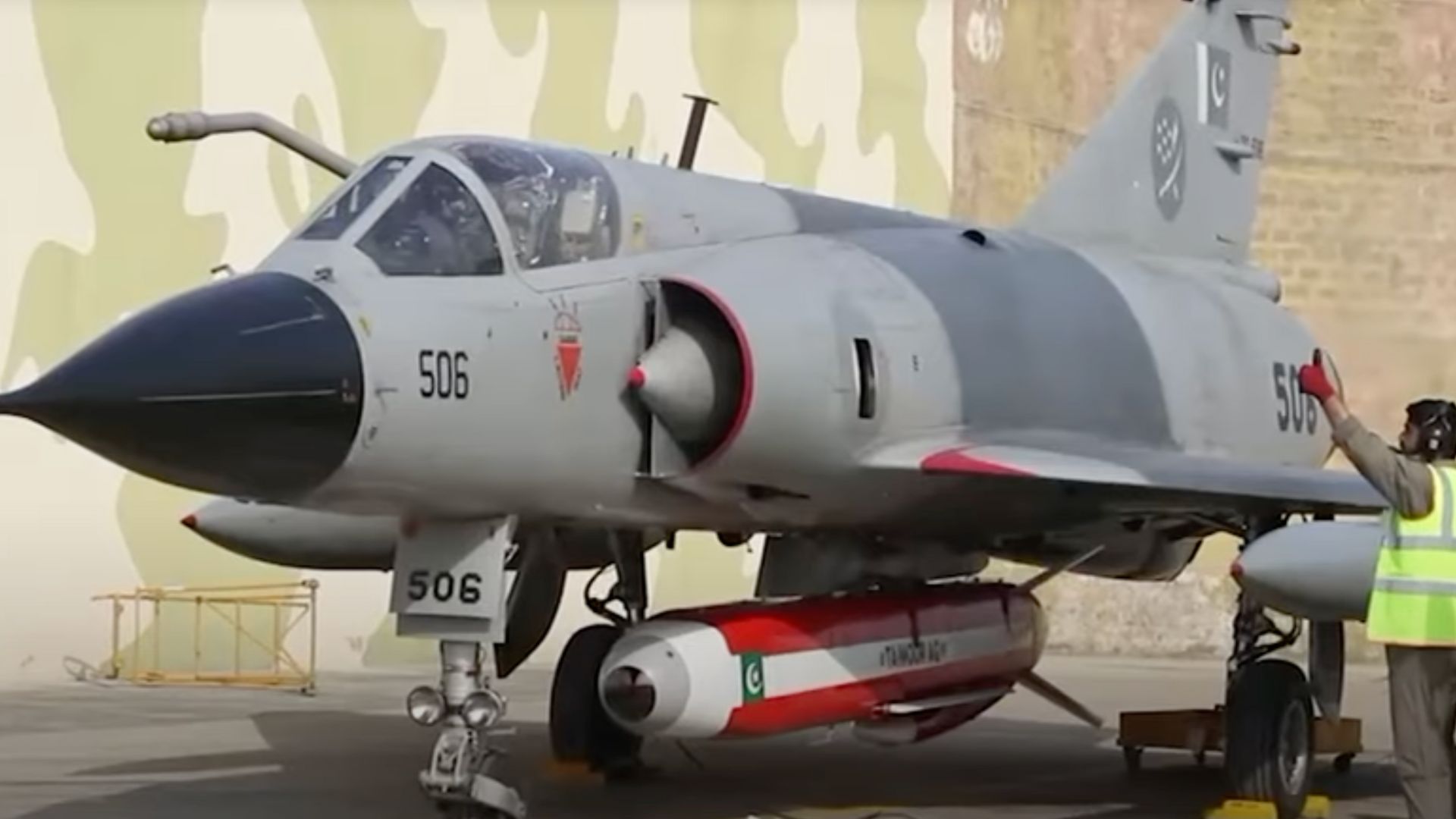
Essentially, the key point is that cutting-edge subsystems will not be limited to one platform, where conceptual and aircraft acclimation work can be done during the OCU phase. As one can see from the J-10CE and JF-17C Block 3, multiple platforms carry AESA radars, integrated ECM, and HMD/S. This technology diffusion is expected to continue growing in the future, so learning 4.5/5th-generation workflows should occur sooner. In fact, the purpose of LIFT is to acclimate pilots with the standard subsystems, interfaces, and workflows so that they can focus on learning the actual fighter they are assigned to at the OCU stage. If LIFT is left to FT-7P/PGs while the workhorse squadrons operate new AESA radar-equipped fighters, then the OCU units could end up with a taskload beyond their mandate. Moreover, training on concepts and/or workflows will be inconsistent across different OCUs due to the reality that each OCU squadron focuses on a specific platform. This can lead to gaps in training standards, tactics, and procedures, as well as other issues that could hinder frontline units rather than strengthen them.
With the PAF also moving towards the idea of assigning pilots to their final platforms as early as possible in their careers (so that they build strong expertise of the fighter over the long term), it would also want to ensure that the best personnel are assigned to the most appropriate platforms. The optimal way to ensure this is to standardize conceptual and workflow training at the LIFT stage, when the new pilots are in a shared pool, and then simulate different scenarios, platform types, and munitions to determine the optimal OCU fits for personnel.
The other refrain was ‘cost.’ Granted, the upfront and lifecycle costs of a dedicated LIFT were likely comparable to those of the JF-17 Block 1 or even the Block 2. However, with the PAF investing in PFX Alpha – i.e., a more robust upgrade of the JF-17’s electronics subsystems – the cost of the Thunder could rise with future variants. The latter will not only feature subsystems like helmet-mounted display and sight (HMD/S) and ECM as a standard, but also leverage newer gallium nitride (GaN)-based AESA radars and a new Chinese engine (as told to Quwa by a retired PAC project director).
Don't Stop Here. Unlock the Rest of this Analysis Immediately
To read the rest of this deep dive -- including the honest assessments and comparative analyses that Quwa Plus members rely on -- you need access.