
Youtube
X-twitter
Linkedin
Spotify
Rss
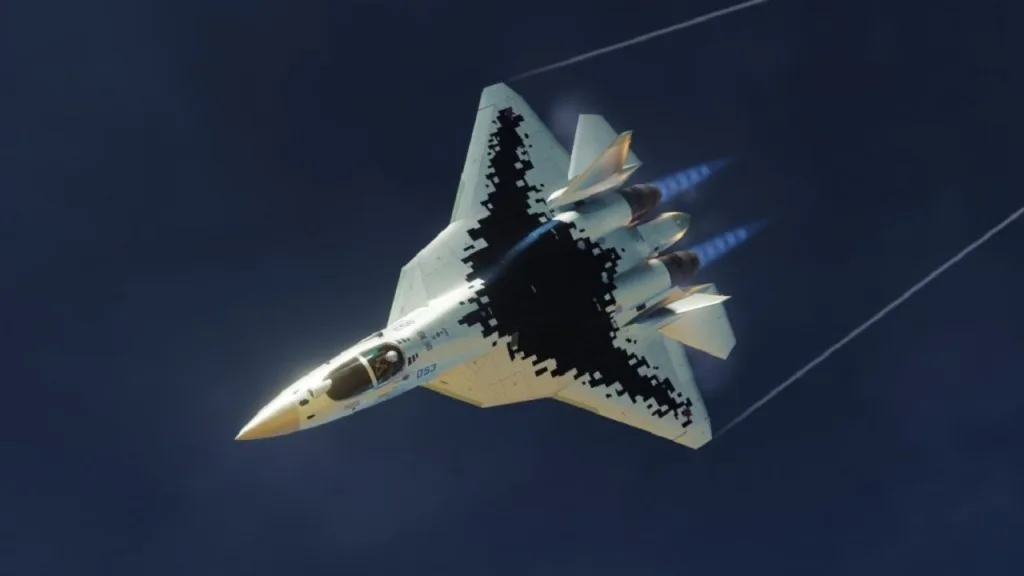
As India accelerates its quest for next-generation fighter aircraft (NGFA) – i.e., planning to spend ₹15,000 crore ($1.8B USD) on its domestic AMCA program and weighing a $20B+ import deal – it is fundamentally misreading the threat.
The obsession with matching Pakistan’s acquisition of the J-35AE stealth fighter is a classic case of strategic myopia: preparing to fight the last war instead of the next one.
The true danger isn’t the J-35AE as a standalone platform. Rather, the real disruption is the large system-of-systems architecture the Pakistan Air Force (PAF) is building around it.
Get access to this article and all other Quwa content today.
Click Here
Slim Chances for the F-35
As discussed in a recent Defence Uncut episode, the challenge of inducting the F-35 for India is that it is not just a standalone fighter. Rather, it is a comprehensive package with the core fighter as a focal point, but surrounded by a technology stack that impacts communications, munitions, and even maintenance, repair and overhaul (MRO).
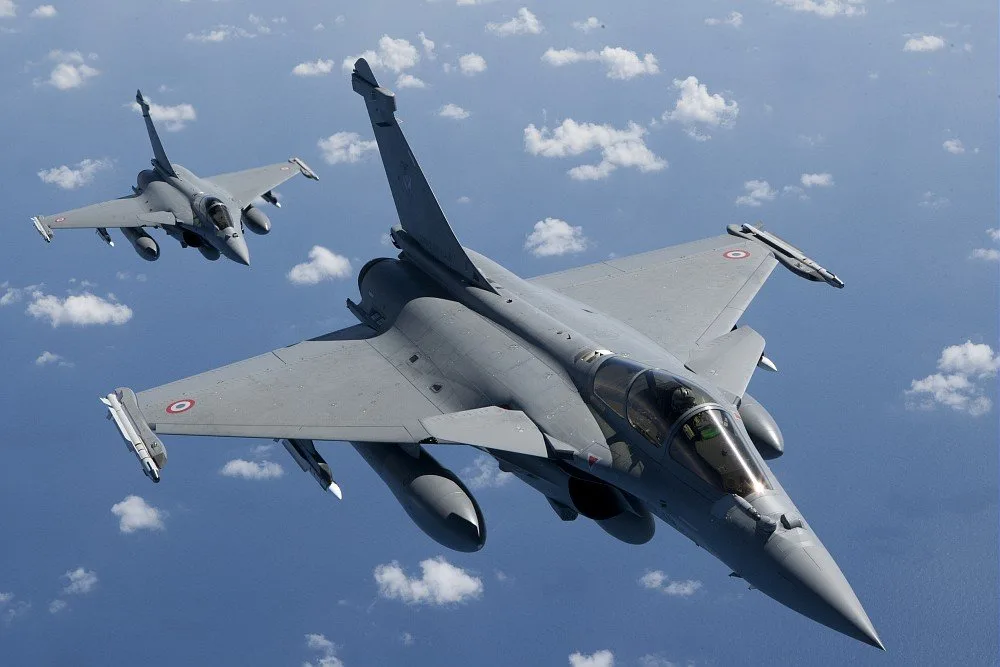
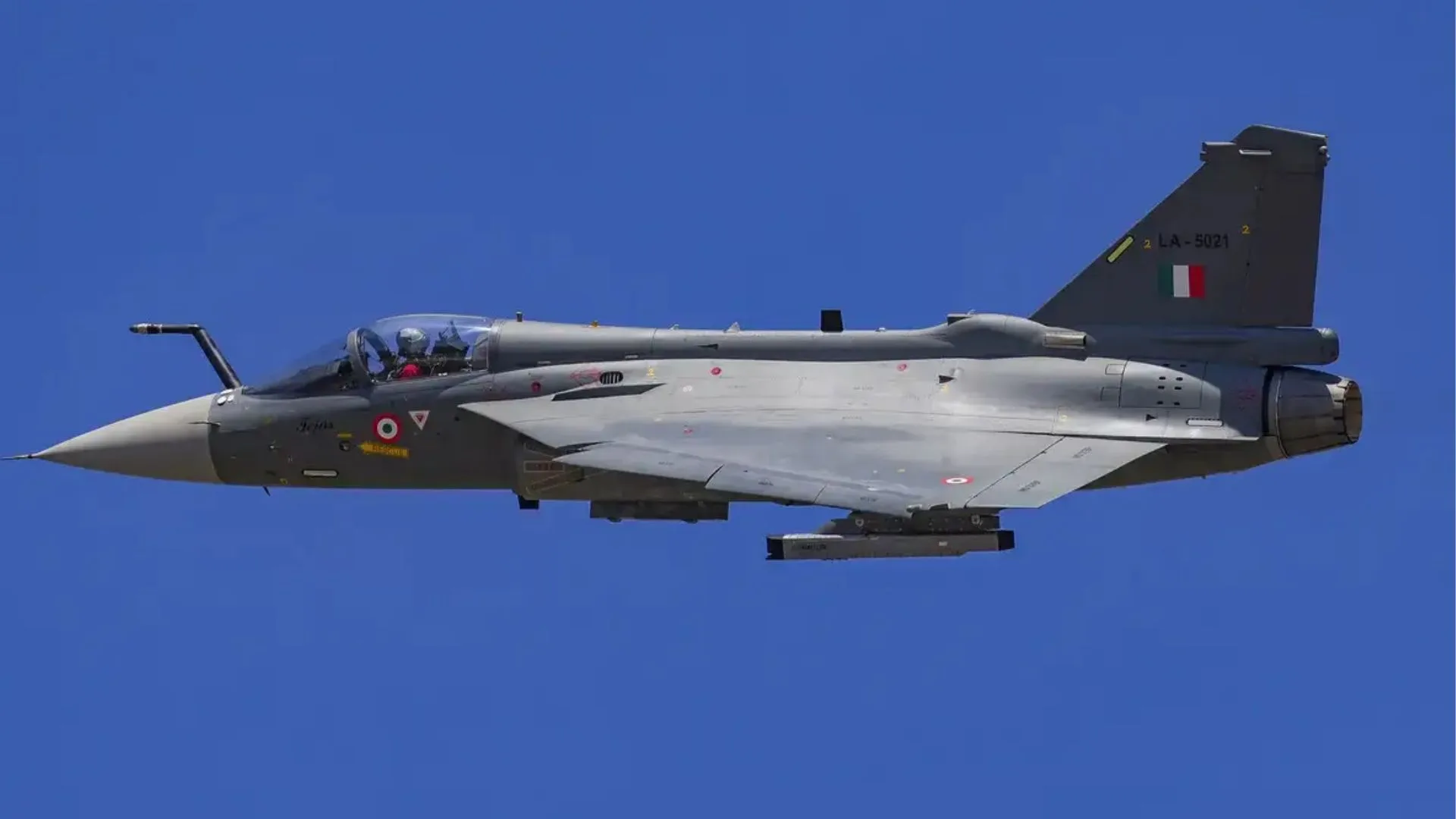
For the IAF, it is unclear if adding this distinct and comprehensive stack to its existing fighter mix is feasible, especially when it is already dealing with diverse systems from France, Russia, and – not least – its own indigenous set up via the Tejas Mk1A.
Additionally, the F-35’s complete value stems from its ability to operate in a system-of-systems network with deep integration with off-board sensors from other special mission assets, fighter aircraft, and drones. The network layer is proprietary and would come from the U.S., and that alone (much less other aspects of the F-35) would lead to significant friction with the IAF.
For example, one concern with sharing this entire stack with the IAF is that it could expose the F-35’s sensitive elements (e.g., radar signature) to potential adversary systems, like the S-400 long-range air defence system, which is also in service with the IAF.
That said, while the F-35 is largely untenable for the IAF, the Indian Navy (IN) could, at some level, be a different story as it does use many key U.S.-origin platforms with their requisite core networking and system-of-systems architecture, like the P-8I and MH-60R.
Don't Stop Here. Unlock the Rest of this Analysis Immediately
To read the rest of this deep dive -- including the honest assessments and comparative analyses that Quwa Plus members rely on -- you need access.