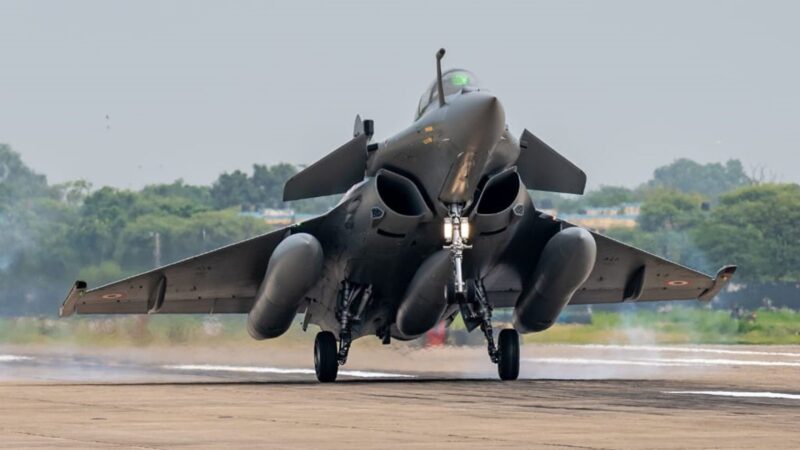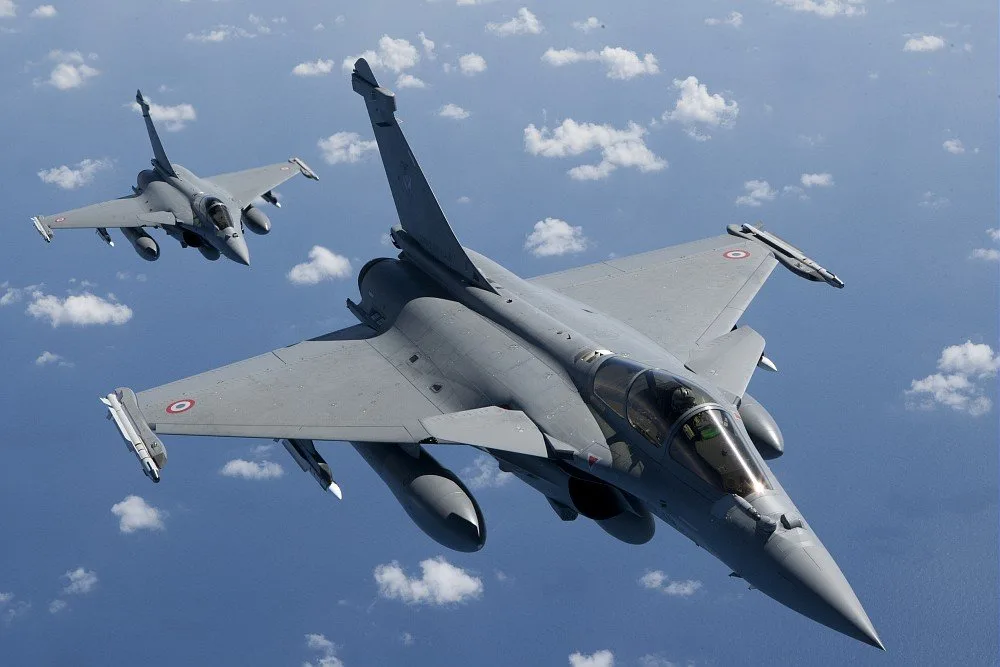
India’s Defence Procurement Board (DPB) has greenlighted the Indian Air Force’s (IAF) proposal to procure 114 Dassault Rafale in a potential landmark defence deal that could be the biggest transaction between New Delhi and Paris to-date.
The DPB is the second-highest decision-making tier in India’s Ministry of Defence (MoD), sitting just below the Defence Acquisition Council (DAC). The DPB vets procurement and other defence proposals, while the DAC signs off on their validity through an Acceptance of Necessity (AoN) certification. This AoN initiates negotiations, which, in India’s history, have been protracted and complex, especially for large contracts.
Many of India’s largest defence contract negotiations proceed from AoNs to requests for proposals (RFPs), field evaluation trials (FET), contract negotiations, and final approval from the Cabinet Committee on Security (CCS).
Given that the IAF directly proposed procuring 114 Rafales, India could accelerate the process in several respects (e.g., no open bids or RFPs, no need to condition FETs to negotiations, etc.). However, should the DAC approve and allow negotiations to move ahead, the process could endure several sticking points, such as the pricing, domestic integration rights, commercial offsets, and localization.
Understandably, the potential deal will draw consternation from India’s key stakeholders, especially those who would prefer to secure short- to medium-term funding for indigenous initiatives, such as the Tejas Mk2 and the Advanced Medium Combat Aircraft (AMCA).
Quwa Plus
Go Beyond the Headlines on Pakistan’s Defence and Security.
Quwa Plus gives you deeper reporting, briefings, and analysis on Pakistan’s defence programs, foreign policy, national security, and regional strategy. Follow the developments that matter to professionals, analysts, and serious readers tracking Pakistan’s security landscape.
Join ($29.99/Year) Already a subscriber?Sign in