
Please log in or subscribe to complete the article.
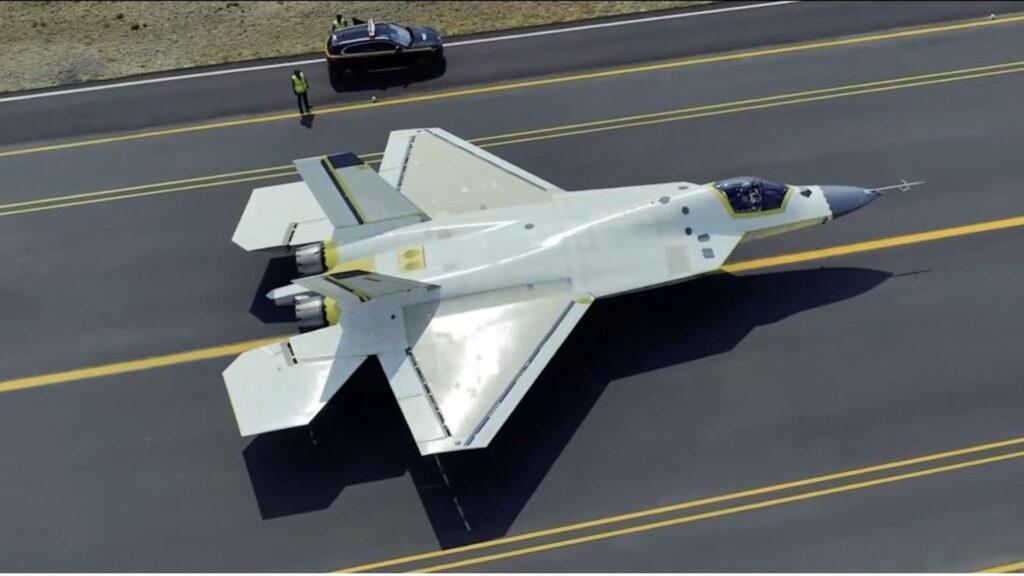
Turkish Aerospace’s KAAN has cleared taxi tests with P-1, its second prototype and the first airframe intended as a fully integrated test article. TUSAŞ is targeting first deliveries to the Turkish Air Force by the end of the decade, with Block 30 aircraft flying on the indigenous TEI TF35000 by around 2033.
That timeline matters to Islamabad. KAAN and the Shenyang J-35AE are the two credible answers to the Pakistan Air Force’s requirement to replace its oldest F-16A/B Block-15 airframes by 2040.
In this episode of Pulse Check, Bilal Khan is joined by Aseem — who has worked closely with both the Turkish and Pakistani aerospace sectors — to examine what a decade of TF-X development actually produced, and why Pakistan’s parallel pursuit of Project AZM was the wrong call.
The conversation covers the industrial base beneath the airframe, the BAE Systems workforce agreement, the widely misread question of Pakistani engineers at Turkish Aerospace, and the raw-material and export-control constraints that shape what PAC Kamra can and cannot do.
Pulse Check is exclusive to Quwa Plus and Quwa Pro subscribers.