Please log in or subscribe to complete the article.
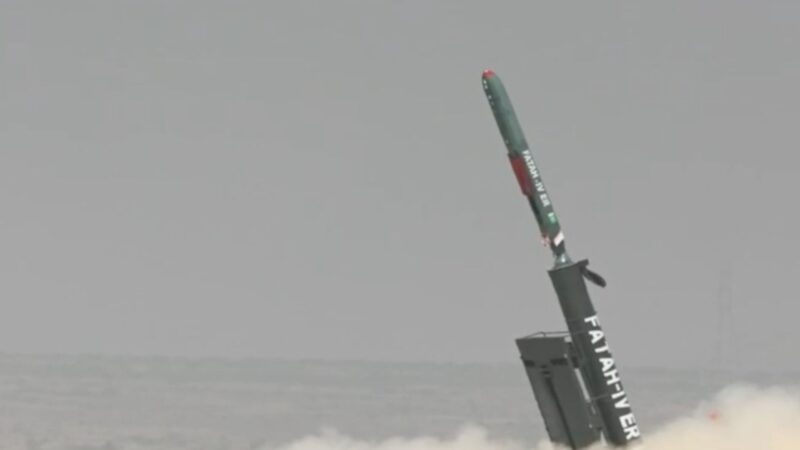
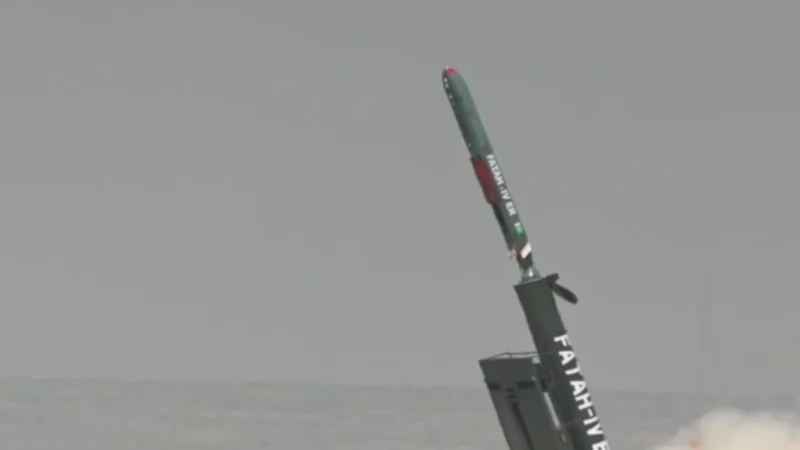
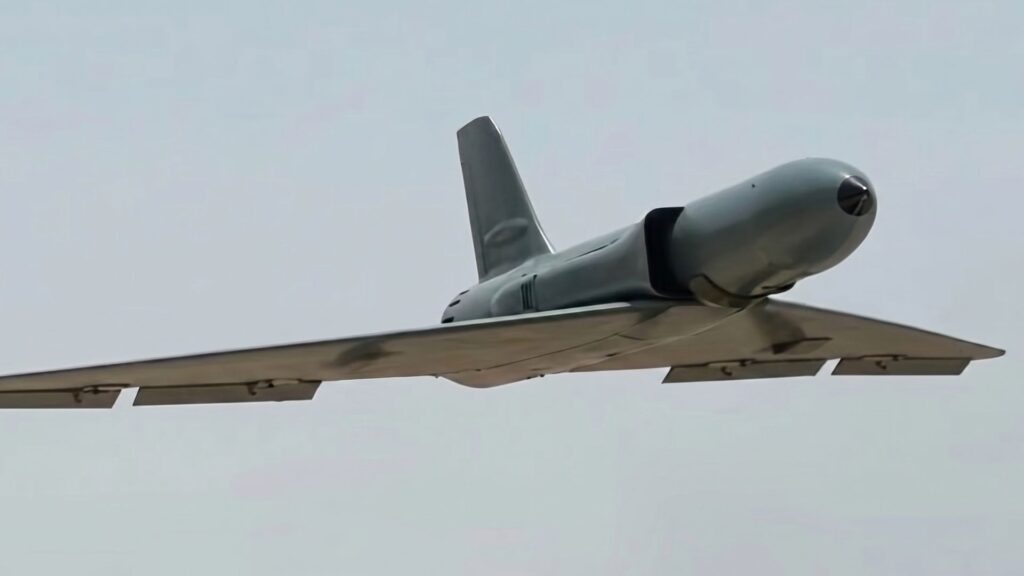
Since 2020, Pakistan’s drone industry has made real strides — but almost entirely inside state-owned enterprises: NESCOM, whose Shahpar platform anchors the effort, and NASTP, which partnered with Turkey’s Baykar on the Yiha-3. After the 2022 Russia-Ukraine war and the May 2025 conflict with India, demand has shifted toward large numbers of smaller, cheaper systems — Shahed-style loitering munitions, FPV drones, interceptors, swarms and low-cost cruise missiles.
In this episode of Pulse Check, Bilal Khan and Aseem ask whether Pakistan’s long-untapped private sector can finally carry that load. They dig into why private firms have historically stayed out of defence — a structural shortage of skilled labour, R&D and investment, and armed forces reluctant to hand work to industry — and why 2026 looks different: the Ministry of Defence Production openly inviting private companies, WuT’s rocket-assisted take-off (RATO) motor test, and Alsons Group’s indigenous piston engines for UAVs, unveiled at Eurosatory.
The conversation also weighs the hidden costs of leaning on SOEs — from Pakistan Ordnance Factories, still built around the G3 and MP5, to Pakistan Aeronautical Complex funded through JF-17 order gaps — the brain drain pulling aerospace talent abroad, and what Turkey’s 26-year climb from importer to defence exporter tells Pakistan about balancing state enterprise with private industry.
Listen to the full episode above.