On 02 July, Russia said that it destroyed five Ukrainian Air Force Su-27 Flanker fighter aircraft by using the Iskander-M tactical ballistic missile (TBM). The TBM strikes took place at Myrhorod airfield, which is located in Ukraine’s central Poltava region.
Though Russia’s claims are disputed by Ukraine, it still seems that the Russian military is finding success in its use of TBMs against Ukraine, notably the latter’s high-value targets (HVT), such as its airbases. In fact, Russia appears to specifically be targeting parked or stationary combat aircraft with its TBMs, hence speaking to a wider strategy of using the relatively low-cost munition to neutralize high-cost assets.
Not only are the strikes proving effective in depleting Kyiv’s air combat capabilities, but it also casts into question whether Ukraine is capable of protecting its forthcoming Western fighters, like the F-16. At the same time however, Russia is also vulnerable to similar action from Ukraine, which aims to use ballistic missiles, like the GM-140 Army Tactical Missile System (ATACMS), against the Russians.
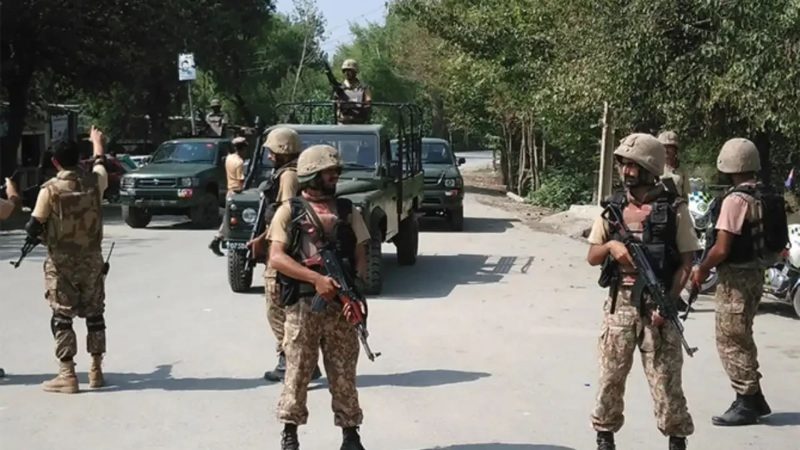
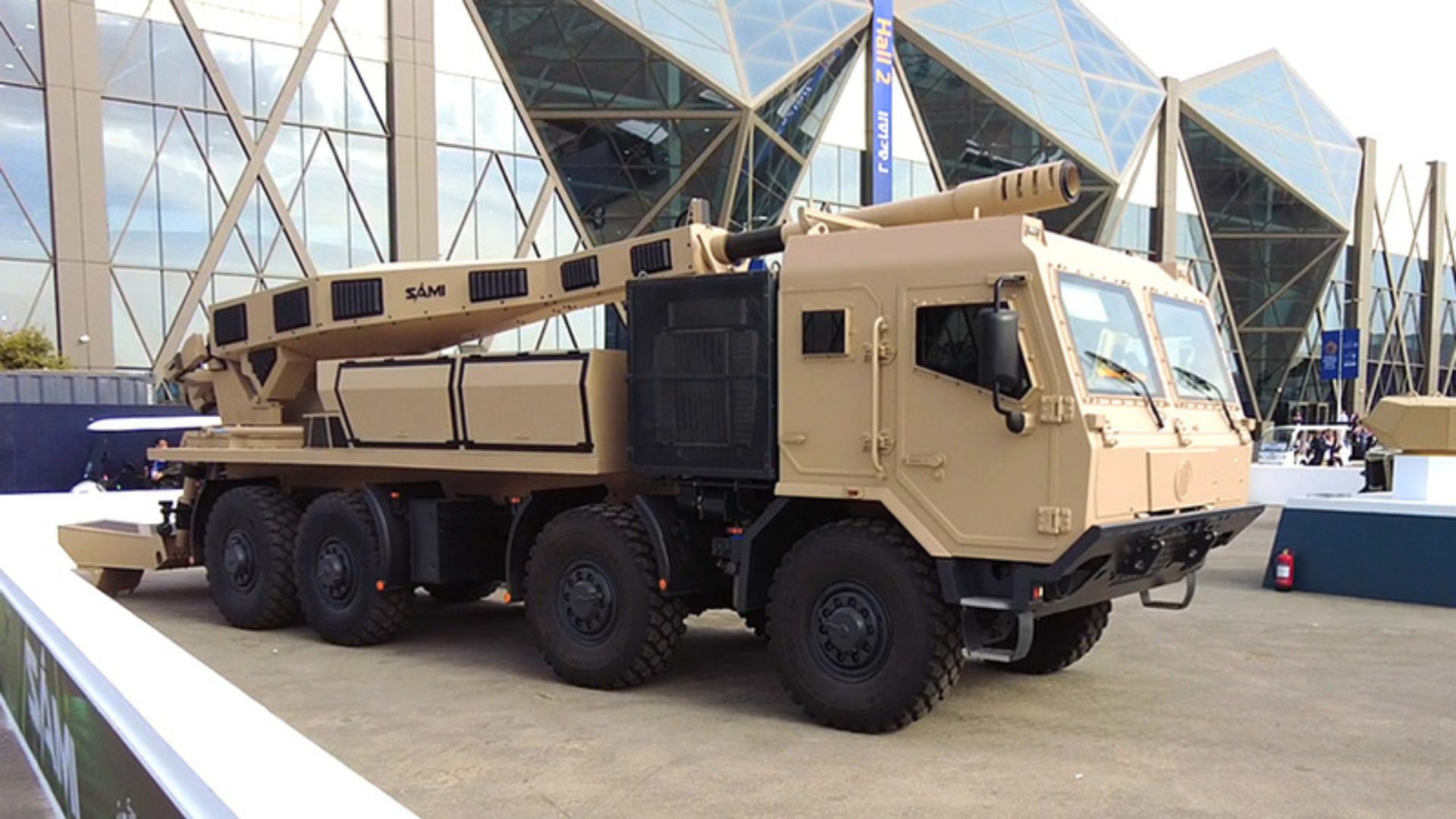
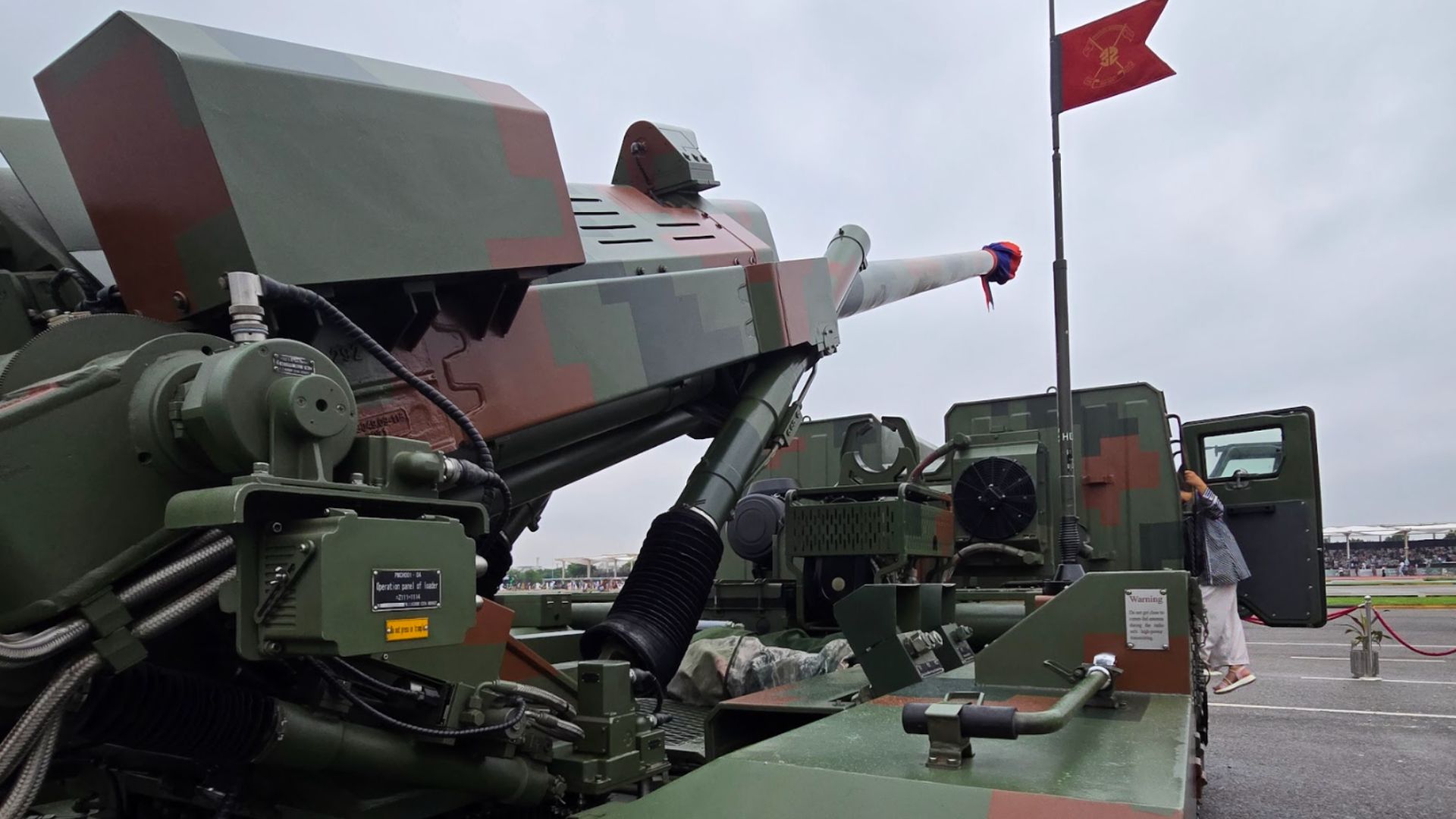
Ultimately, like many dynamics of this war, the Russia-Ukraine conflict is generating key lessons for other countries, including Pakistan. In fact, it seems that Pakistani security planners are using the war to shape their own procurement roadmaps. For example, Pakistan is pushing for local munitions production with the goal of manufacturing its own air-to-air missiles (AAM) and surface-to-air missiles (SAM). It is also working on a comprehensive loitering munitions strategy that extends from grenade-sized weapons to miniature air launched cruise missiles (ALCM). Pakistan is also building a dense multi-layered air defence system with long- and medium-range SAMs. Finally, it is also adding precision-guided rockets, including TBMs, into its strike mix, thereby acquiring long-range attack capabilities from air and land.
One can argue that many of Pakistan’s steps follow Ukraine’s wartime lessons, such as its difficulty with sourcing advanced munitions (especially SAMs) from foreign suppliers, or the extensive damage loitering munitions can cause at relatively low cost, or how adept air defence deployment can mitigate an enemy’s air power. Many of Pakistan’s major procurements only occurred in the past two years, thereby indicating a clear correlation between the conflict in Ukraine and defence procurement policy.
Stay up to date with the latest Pakistani defence news with reliable research and accurate forecasting
Click Here
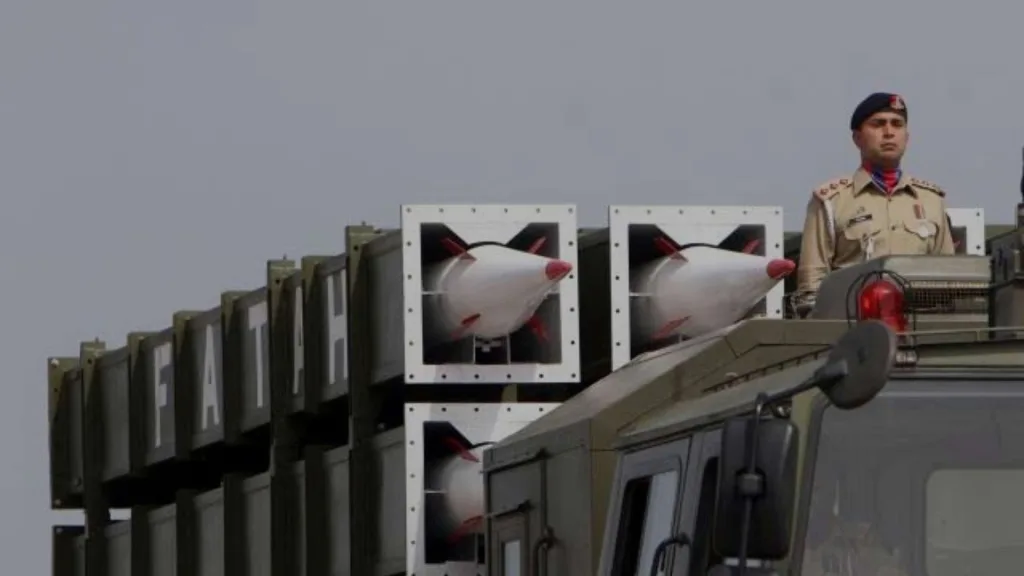
The PA’s push to develop independent strike capabilities was borne from its need to address India’s “Cold Start” doctrine, i.e., the threat of India using integrated battle groups (IBG) consisting of its air, armour, and artillery assets to rapidly enter and capture Pakistani territory. The Fatah-1 would enable the PA to engage intruding IBGs at a much earlier point and, in turn, slow the Indian advance. However, the Russia-Ukraine war likely steered the PA to expand its strike capabilities such that it could address India’s warfighting at a more general level (e.g., by targeting key installations), not solely the IBG threat.
For Pakistan, the cost of fielding SSM/TBM and GLCM launch vectors (e.g., fixed and mobile launchers) is likely less than that of procuring fighter aircraft, especially at scale. The PA may have deemed that it could independently build relatively potent long-range strike capabilities with both necessary coverage range as well as scalability for wide deployment and healthy munitions stock/inventory.
However, to fully leverage this offensive capability, the PA will need to develop – or at least fully access – a real-time intelligence, surveillance, target acquisition, and reconnaissance (ISTAR) capability. It may seek access to the ISTAR capabilities already established by the PAF, or, potentially, build a parallel system of long-endurance drones, loitering munitions, land-based sensors, and/or possibly special mission aircraft.
Don't Stop Here. Unlock the Rest of this Analysis Immediately
To read the rest of this deep dive -- including the honest assessments and comparative analyses that Quwa Plus members rely on -- you need access.