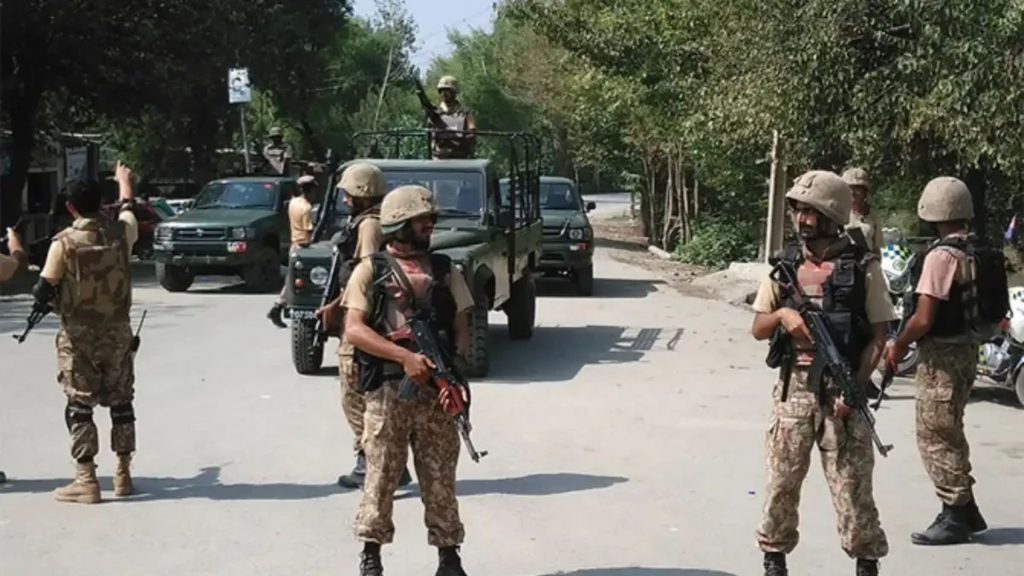
Pakistan’s security forces killed five militants in an intelligence-based operation (IBO) in Pishin district, Balochistan, on 22 February 2026. The Inter-Services Public Relations (ISPR) described the targets as Indian-sponsored operatives belonging to what the Pakistani state designates as ‘Fitna al Khwarij,‘ and stated that one was a suicide bomber.
The forces seized weapons, ammunition, and explosives during the operation. ISPR stated that the militants were involved in attacks across the region, with follow-on sanitisation operations ongoing under the Azm e Istehkam campaign.
Prime Minister Muhammad Shehbaz Sharif commended the security forces on 23 February, framing the operation as part of a broader national effort against militant groups. National Assembly Speaker Sardar Ayaz Sadiq offered similar remarks, citing the forces’ role in what he described as restoring peace to Balochistan, Dawn reported.
Sustained Tempo on the Western Frontier
The Pishin IBO is part of a broader operational surge across Pakistan’s western provinces. A separate IBO in Dera Ismail Khan, Khyber Pakhtunkhwa (KP), killed four militants on the same day.
Earlier in February, Operation Radd-ul-Fitna-1 had resulted in what ISPR reported as 216 militants killed, indicating a sustained and escalating tempo of operations across both Balochistan and KP.
Quwa Plus
Go Beyond the Headlines on Pakistan’s Defence and Security.
Quwa Plus gives you deeper reporting, briefings, and analysis on Pakistan’s defence programs, foreign policy, national security, and regional strategy. Follow the developments that matter to professionals, analysts, and serious readers tracking Pakistan’s security landscape.
Join ($29.99/Year) Already a subscriber?Sign in