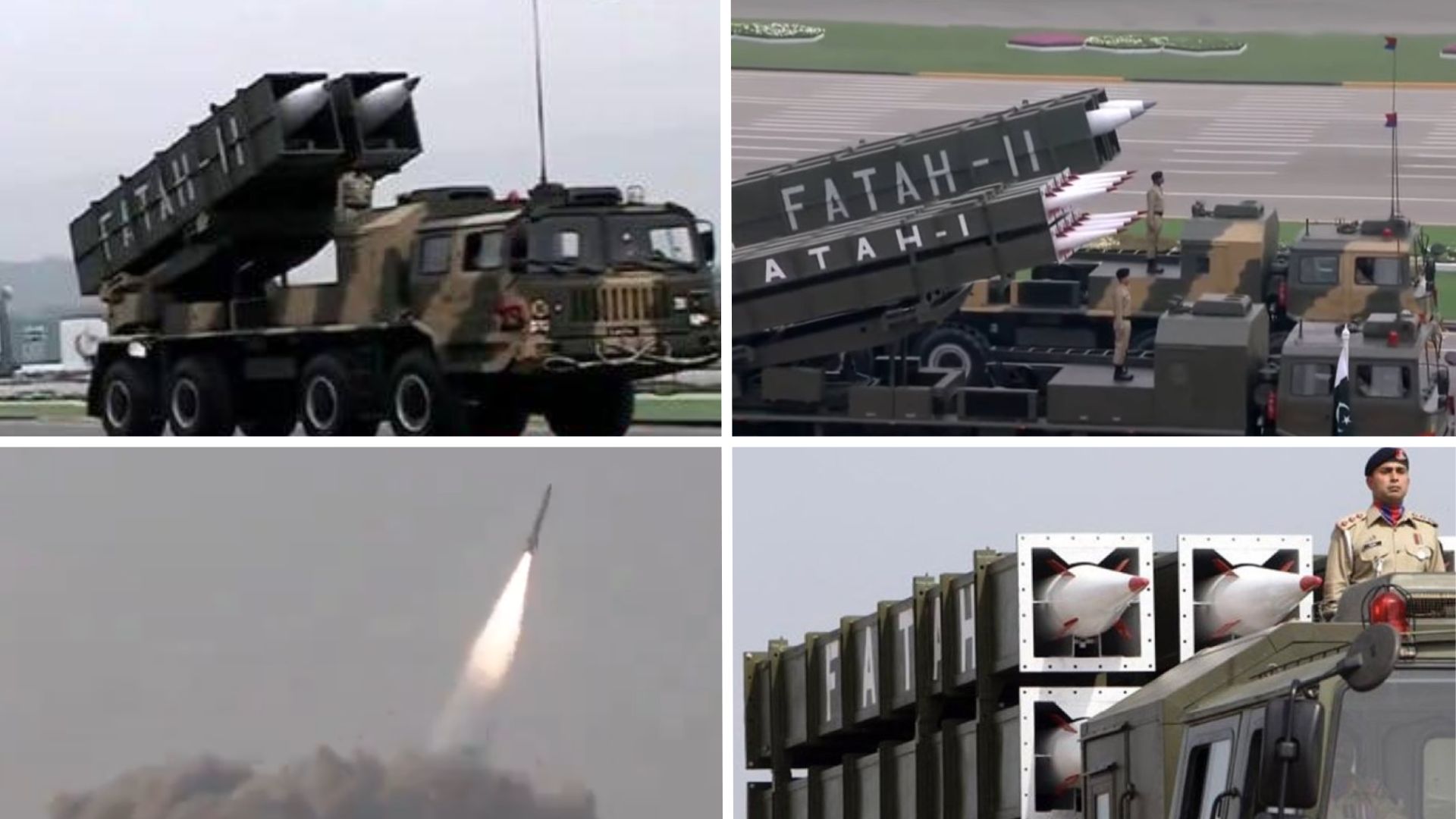

In February 2021, Pakistan conducted training launches of its Ghaznavi short-range ballistic missile (SRBM) and Babur 1A ground-launched cruise missile (GLCM).[1][2] The Army Strategic Forces Command (ASFC) had conducted the training launches to assess various operational and technical parameters for each missile.
The Hatf-III Ghaznavi SRBM offers a stated range of 290 km, while the Hatf-VII Babur 1A GLCM can reach a stated range of 450 km. According to Inter Services Public Relations (ISPR), the press arm of the Pakistani armed forces, the Ghaznavi and Babur 1A are capable of carrying nuclear and conventional warheads.
Though capable of conventional strikes, the primary mission (at least at the time of initial deployment) of Pakistan’s ballistic missiles and cruise missiles is nuclear deployment. The cruise missiles – i.e., the Babur-series as well as the Ra’ad-series – are particularly important because they can carry Pakistan’s miniature nuclear warheads (a key component of its ‘tactical nuclear weapon’ doctrine).
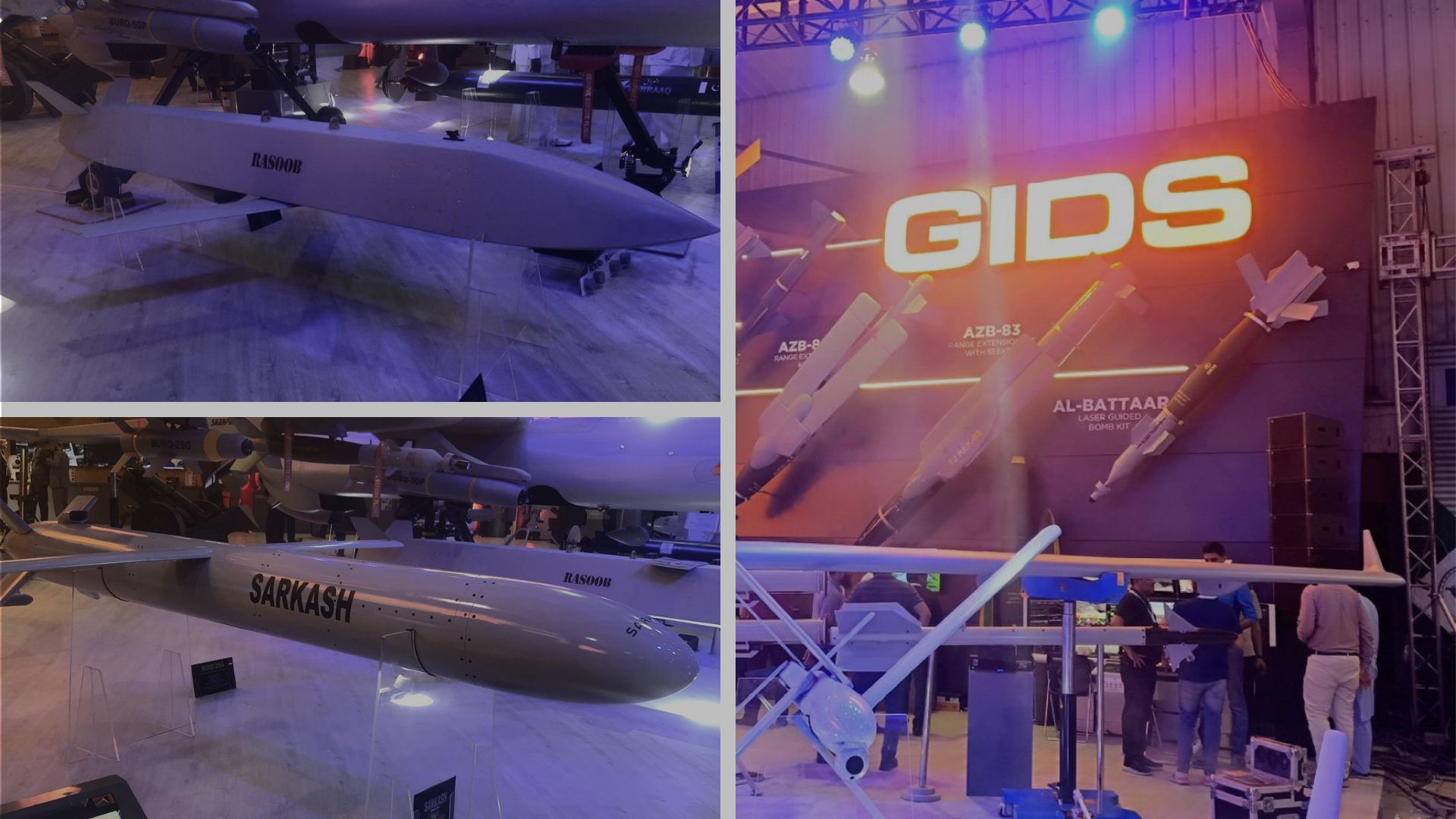
Limiting ballistic missiles and cruise missiles to strategic attacks also makes economic sense. These missiles are among Pakistan’s most expensive munitions. Moreover, Pakistan’s industrial limitations may constrain its ability to manufacture these missiles at a high-enough rate to support wide-scale conventional attack strategy. The Pakistan Air Force (PAF) will likely carry the bulk of such strikes through Mk80-series Range Extension Kit (REK)-equipped JF-17s and Mirage III/5 fighters.
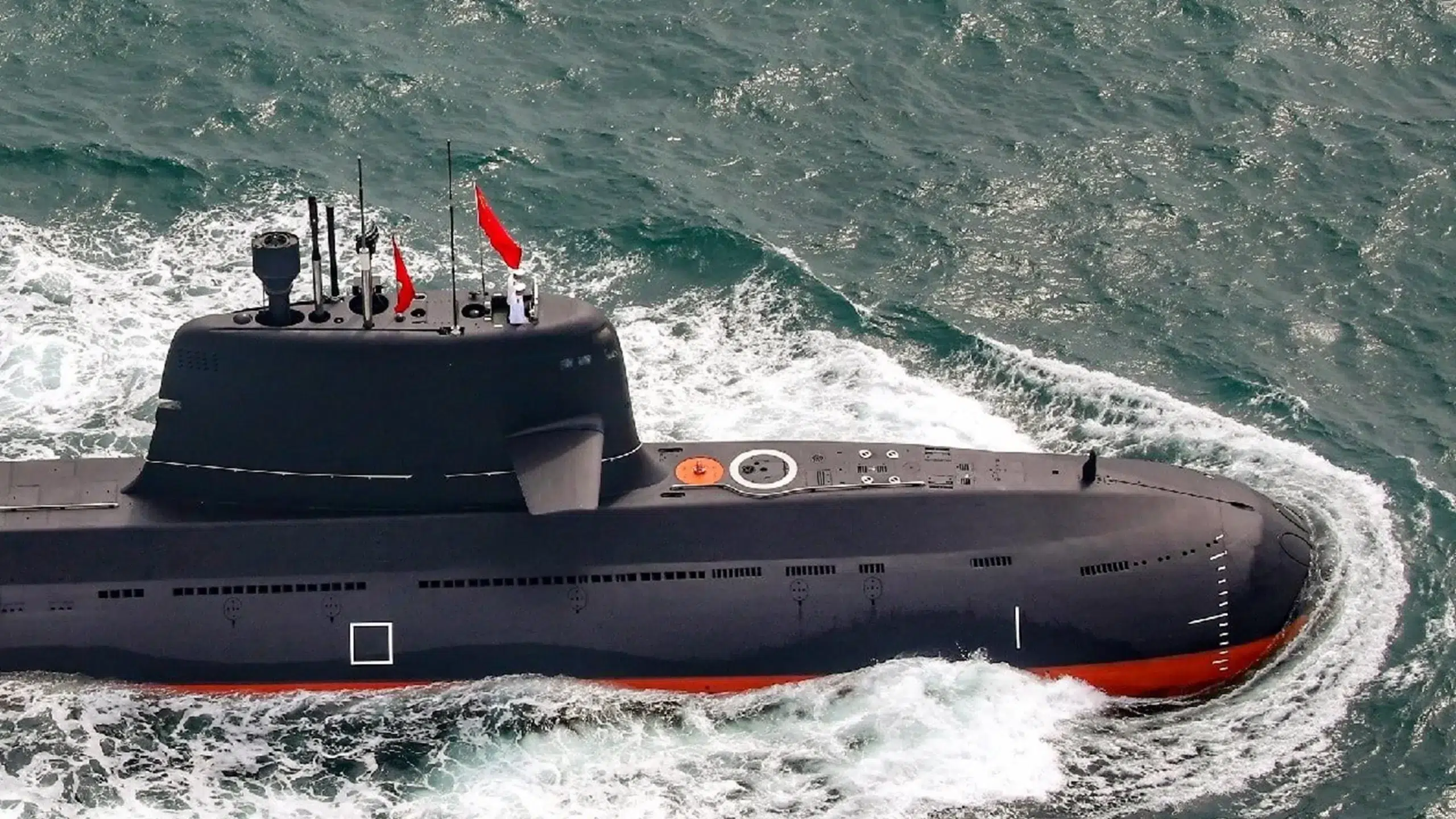
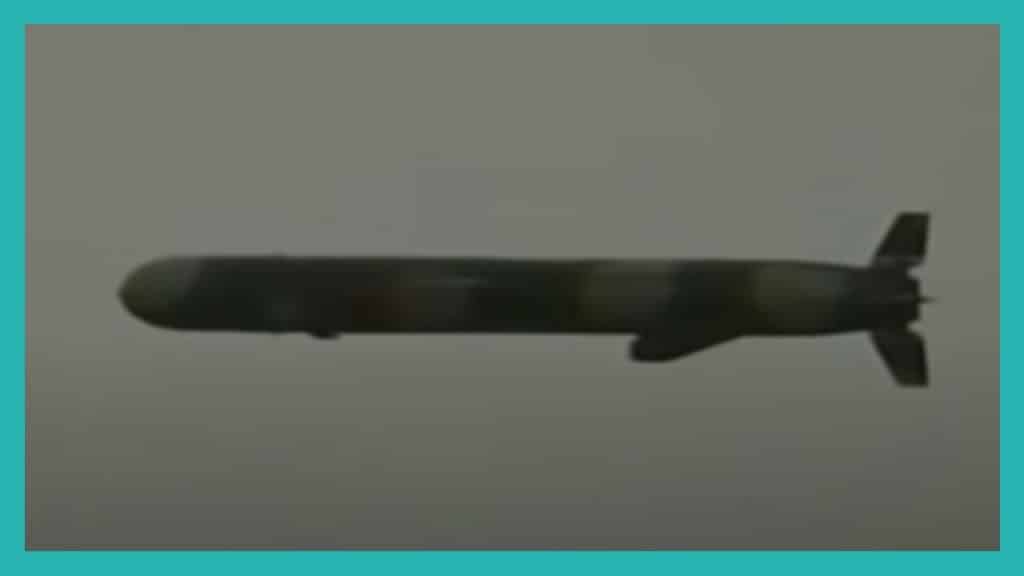
However, Pakistan might be working towards improving its surface-based conventional attack capabilities, especially in the maritime environment. In 2018, Pakistan started test firing the Harbah-series of anti-ship cruising missile (ASCM), and in 2020, the Pakistan Navy (PN) announced that it was developing a new anti-ship ballistic missile (ASBM), the P282. Pakistan is also working on a supersonic-cruising ASCM.
In terms of the Harbah ASCM, Pakistan is likely reusing or scaling the technology base it developed for the Babur and Ra’ad-series. These missiles may share the same mid-course guidance stack, such as the Babur’s Terrain Contour Matching (TERCOM) and Digital Scene Matching & Area Co-relation (DSMAC) systems.[3] It may even be using the same miniature propulsion systems across the Harbah-series and Babur-series.
In addition, the Harbah ASCM employs a terminal-stage seeker, likely either active radar-homing (ARH) or imaging infrared (IIR). It is not known if Pakistan developed those seekers, or procured them off-the-shelf.
To support a large number of conventional strikes, Pakistan would need to identify ways to scale-up cruise missile production while also controlling the unit cost. Moving to more efficient production systems, such as automated sub-assemblies manufacturing, is a likely next step for Pakistan (e.g., Heavy Industries Taxila is already moving towards robotic systems). However, Pakistan will also look to localizing critical inputs.
To this day, it is unclear if Pakistan truly secured its cruise missile supply chain. In fact, each of the major entities driving Pakistan’s cruise missile efforts, including National Engineering and Scientific Commission (NESCOM), Air Weapons Complex (AWC), and Maritime Technology Complex (MTC) are sanctioned by the United States. Not only can these entities buy from the U.S., but their overseas activities are constrained.
Granted, Pakistan can continue to rely on China, but that simply means that its cruise missiles are tied to the Chinese, but not truly independent. In a sense, that lack of true independence could also be preventing Pakistan from expanding cruise missile manufacturing to a point where it can use them conventionally at a wide scale. However, indigenizing miniature propulsion, aero-structure materials, and electronics could unlock that constraint, and the result of that shift would be a large inventory of cruise missiles.
Don't Stop Here. Unlock the Rest of this Analysis Immediately
To read the rest of this deep dive -- including the honest assessments and comparative analyses that Quwa Plus members rely on -- you need access.