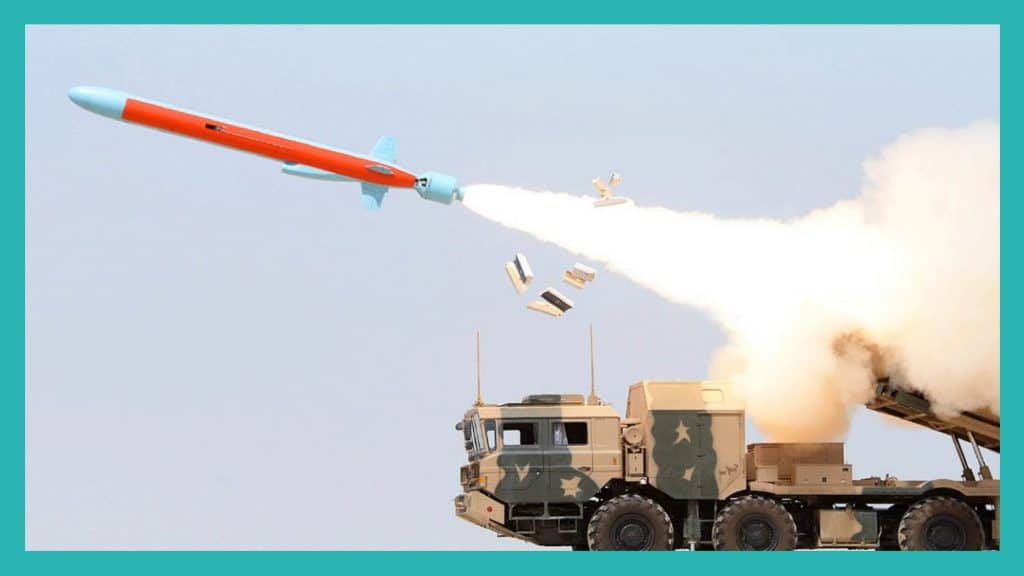
In October 2020, the Pakistan Navy (PN) revealed that it will expand its surface fleet to over 50 ships, and it would aim for 20 ‘major surface vessels’ such as frigates as part of its enlarged fleet. The previous Chief of Naval Staff (CNS), Admiral Zafar Mahmoud Abbasi, said the fleet expansion will enable the PN to carry-out essential regional patrol tasks and fulfill various international obligations.
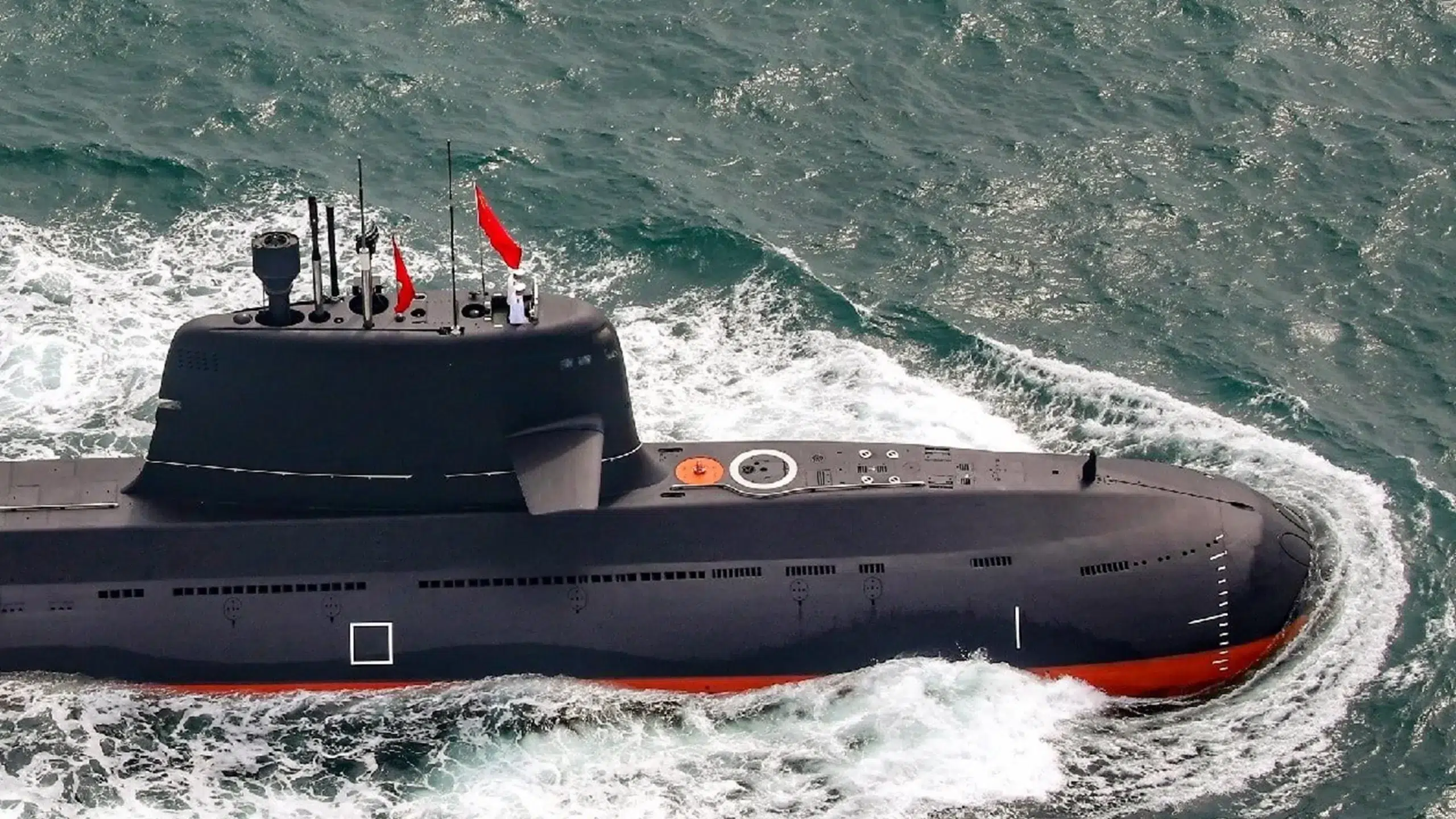
In comparison to the PN’s past fleet development efforts, this expansion roadmap is certainly the largest in scope. It aims to both modernize or supplant existing assets and boost asset quantities across surface, sub-surface, and aerial domains. Its new frigates/corvettes and submarines will also add key capabilities, such as anti-air warfare (AAW) and land-attack cruise missile (LACM) deployment.
However, while the PN could emerge as a larger naval power, it is unlikely to lose sight of its traditional – and defensively oriented – posture. Adm. Abbasi had emphasized that the fleet growth was essential for supporting more peacetime maritime activities, such as regional maritime patrols.
Thus, there is a change in the PN’s peacetime interests, but has its wartime mission changed as well? This is unlikely. In wartime, the PN’s role is to protect Pakistan’s littoral infrastructure (such as ports) and shield its sea-lines of communication (SLOC). It needs to ensure that trade (i.e., essential exports and revenue-generating exports) continue amid a crisis. Thus, the PN must prevent India from imposing control (e.g., a Maritime Exclusion Zone) over Pakistan’s littoral waters and sea lanes.
The addition of more surface ships would help the PN in this regard, but these assets would not constitute the ‘core’ or essential elements of this strategy. The PN will not be able to compete on a ship-to-ship count with the Indian Navy (IN), especially in large displacement, high-tech categories. Basically, the PN will need to retain a focused anti-access and area-denial (A2/AD) strategy, and improve upon it.
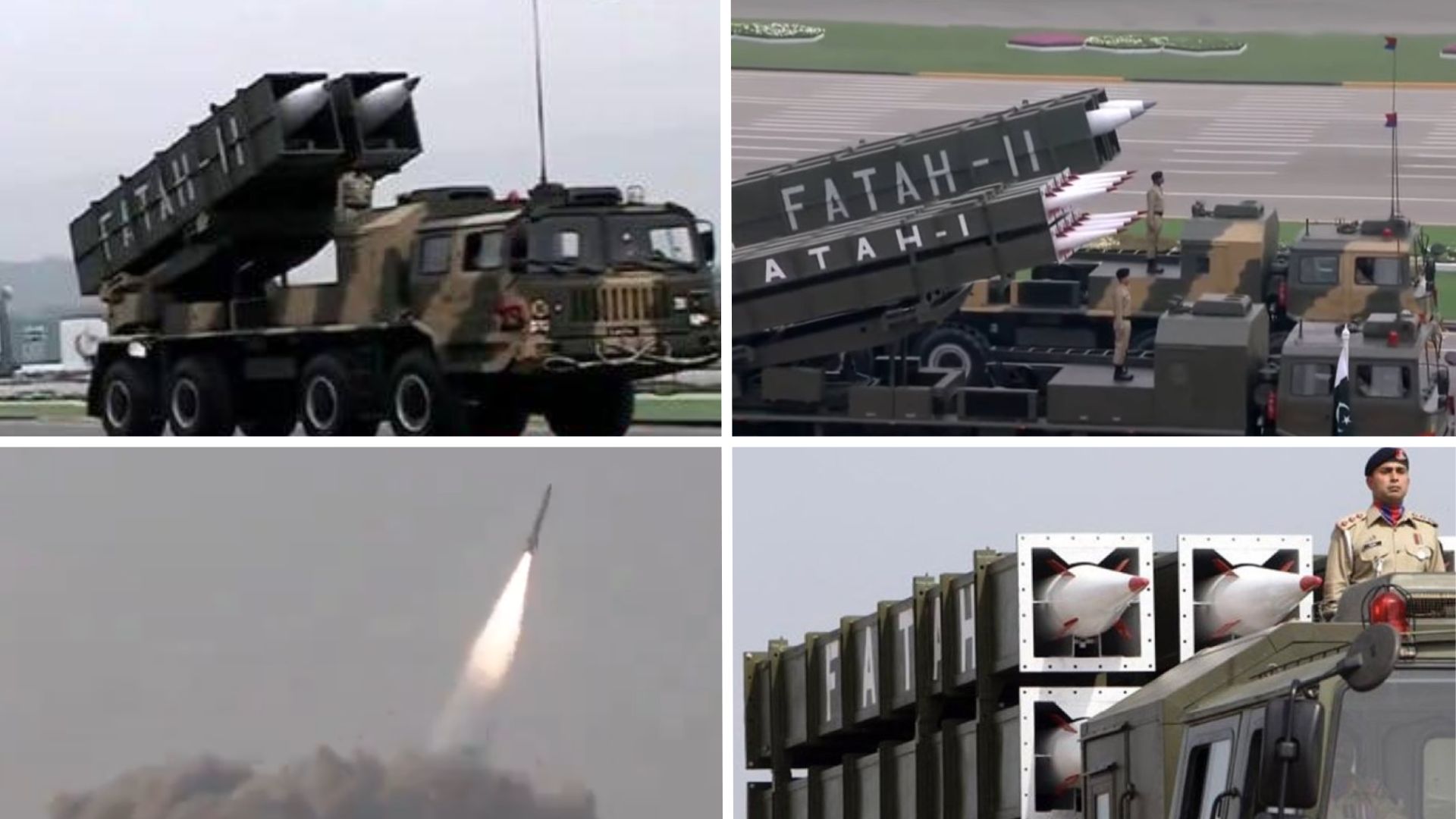
In an earlier series of articles, Quwa discussed an A2/AD framework centered on anti-ship cruising missile (ASCM)-equipped fast attack crafts (FAC), submarines, and network-enabled warfare. The bulk of the PN’s modernization efforts aim to improve these domains. However, Adm. Abbasi had signalled a greater focus on A2/AD by revealing the development of the P282 anti-ship ballistic missile (ASBM).
Adm. Abbasi had mentioned the P282 as a solution for the ‘hypersonic domain.’ The ex-CNS was probably referring to the fact that a ballistic missile travels at a hypersonic speed in its terminal stage. ASBMs are a key element of China’s A2/AD strategy. The basic premise of an ASBM is that its terminal-stage speed can generate enough kinetic force to destroy a large slow-moving ship, such as an aircraft carrier.
For the PN, the basic idea of an ASBM is that it could deter opposing navies from using aircraft carriers or other large surface ships, such as landing helicopter docks (LHD), in Pakistan’s vicinity. If configured with maneuvering warheads, the P282 may also be particularly difficult to intercept with AAW systems.
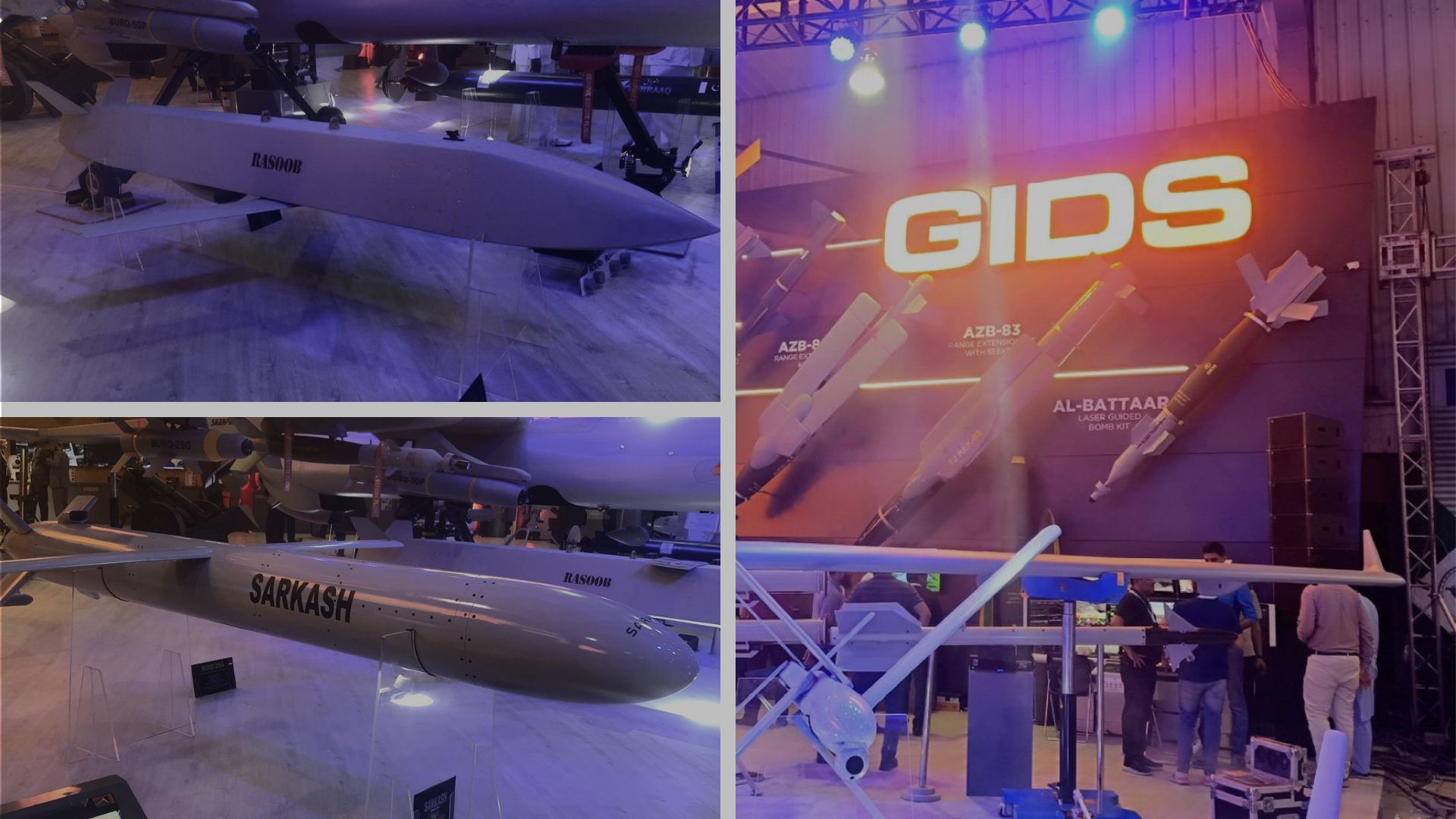
Moreover, the PN would maintain a diverse attack element comprising of ASBMs, subsonic ASCMs, and supersonic ASCMs. In other words, the PN would not maintain a singular attack regimen, but could utilize different types of missiles within the same salvos, further complicating interception.
Quwa Plus
Go Beyond the Headlines on Pakistan’s Defence and Security.
Quwa Plus gives you deeper reporting, briefings, and analysis on Pakistan’s defence programs, foreign policy, national security, and regional strategy. Follow the developments that matter to professionals, analysts, and serious readers tracking Pakistan’s security landscape.
Join ($29.99/Year) Already a subscriber?Sign in