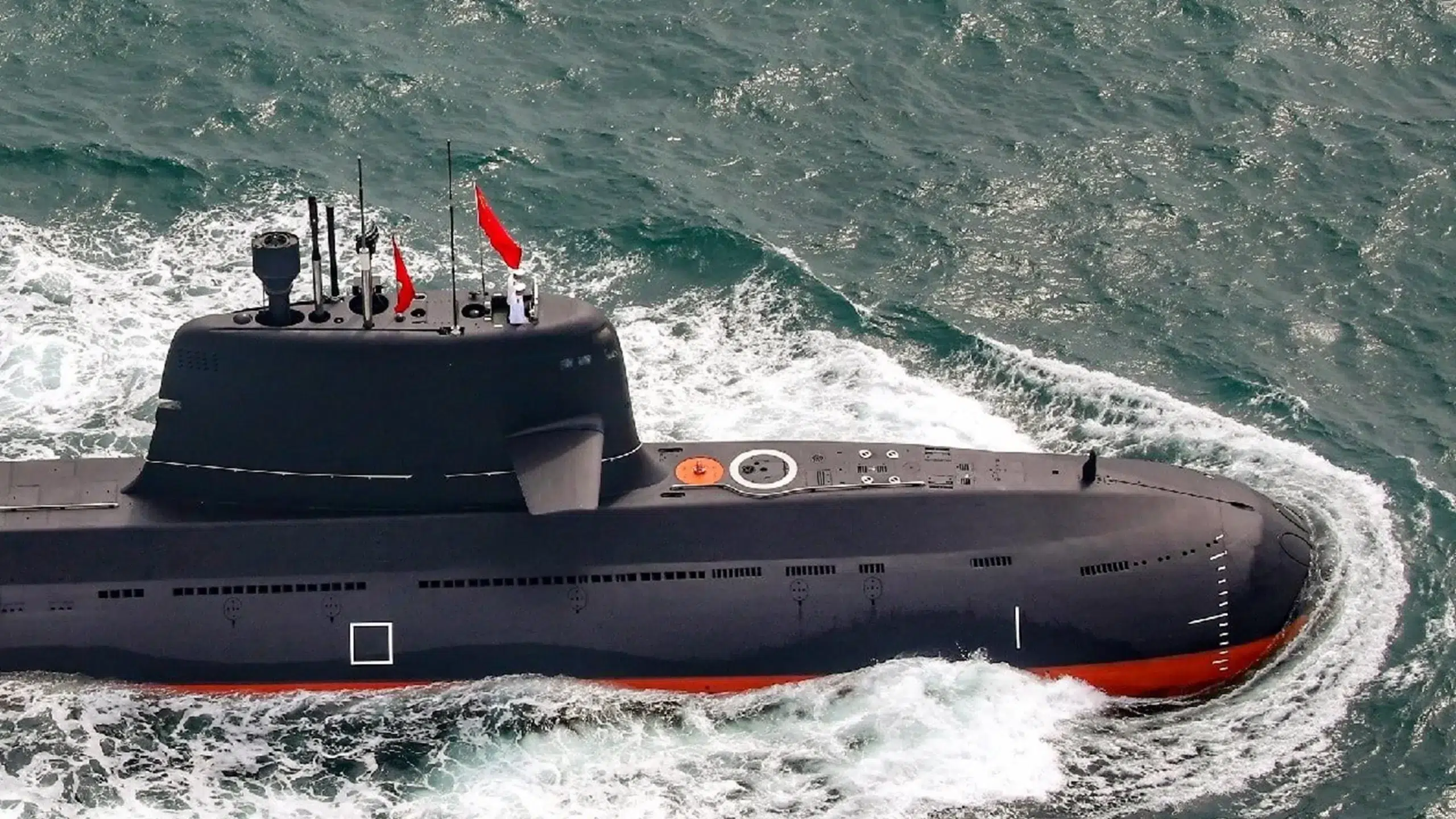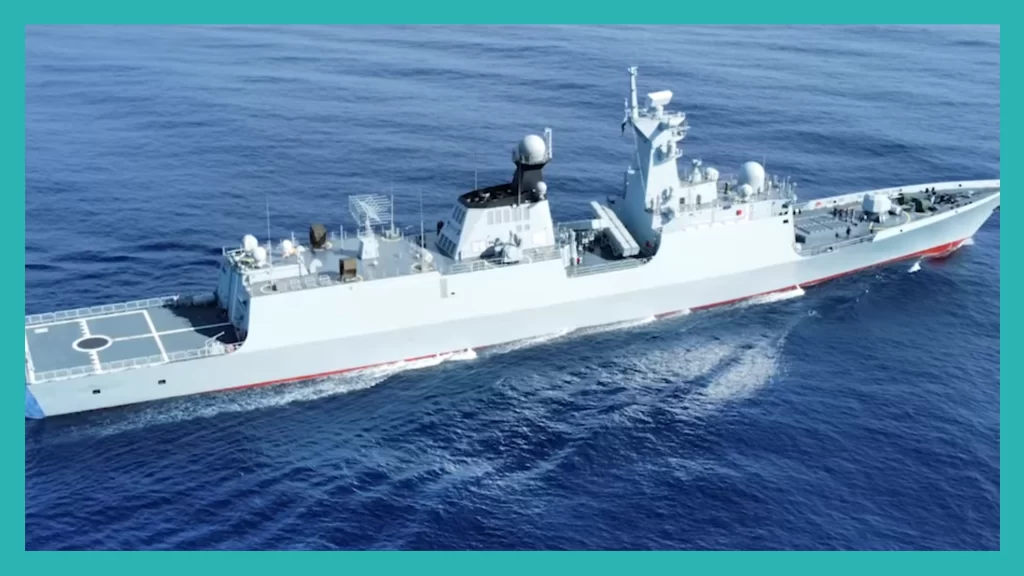
The Pakistan Navy (PN) commissioned its final batch of Tughril-class (Type 054A/P) multi-mission frigates, i.e., the PNS Tippu Sultan and the PNS Shahjahan.
The commissioning ceremony was held at China Shipbuilding Trading Co. Ltd’s (CSTC) Shanghai shipyard on May 10, with the PN Chief of Naval Staff (CNS), Admiral Muhammad Amjad Khan Niazi, present as the chief guest of the event alongside other Pakistani and Chinese officials.
By delivering the final pair of Type 054A/P frigates, CSTC has fulfilled the PN’s current frigate order for four ships. Pakistan signed the contract for the frigates in 2017 and 2018 in two orders, each for two ships. This is Pakistan’s third big-ticket naval order from China, following the Hangor submarine and F-22P frigate. The PN is also the sole export user of the Type 054A, which is the workhorse frigate of the People’s Liberation Army Navy (PLAN), which operates dozens of this design.
The Tughril-class frigate has a displacement of around 4,000 tons and a length of 134.1 m. It is the largest surface combatant (alongside the PNS Alamgir) in service with the PN. It is also the PN’s most advanced surface combatant in terms of anti-air warfare (AAW), and anti-ship warfare (AShW) capabilities.
Its AAW configuration consists of a 32-cell vertical launch system (VLS), which contains the LY-80N surface-to-air missile (SAM). The LY-80N has a range of 40 km and is guided by a semi-active radar-homing (SARH) system. It relies on a pair of target-illuminator radars onboard the ship.
Quwa Plus
Go Beyond the Headlines on Pakistan’s Defence and Security.
Quwa Plus gives you deeper reporting, briefings, and analysis on Pakistan’s defence programs, foreign policy, national security, and regional strategy. Follow the developments that matter to professionals, analysts, and serious readers tracking Pakistan’s security landscape.
Join ($29.99/Year) Already a subscriber?Sign in