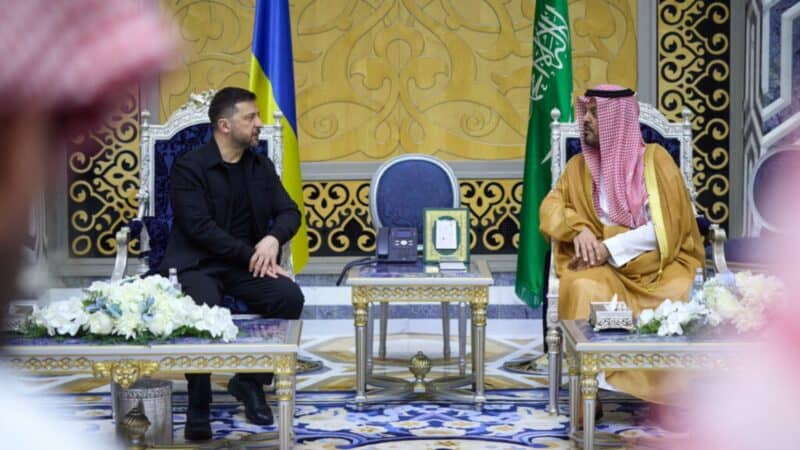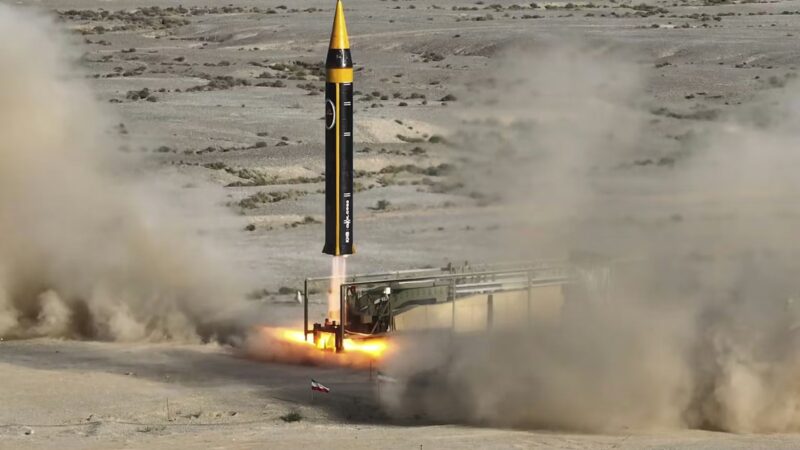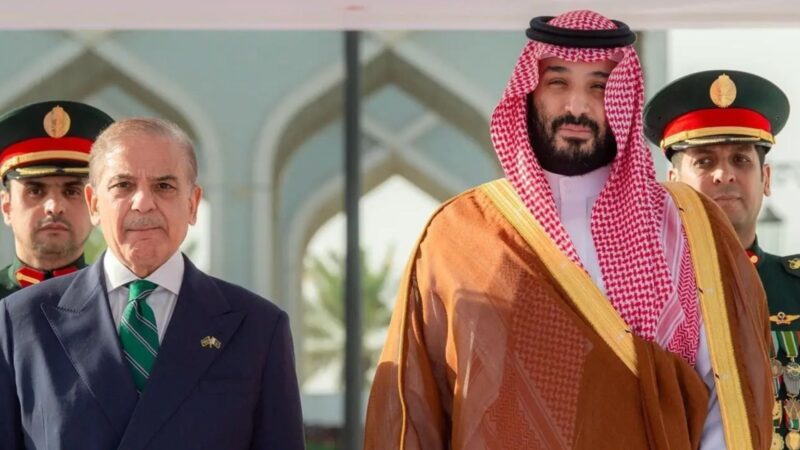

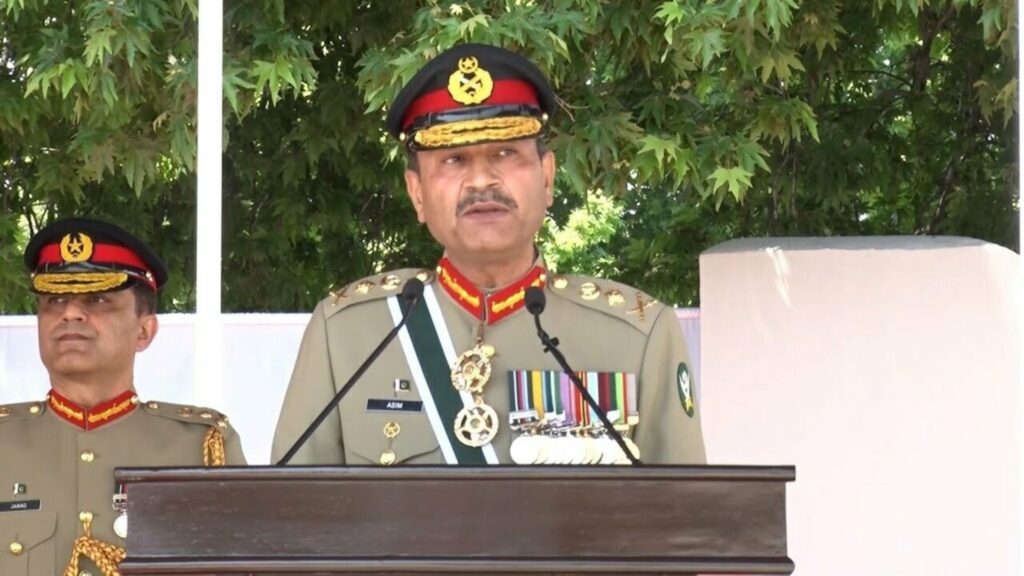
Pakistan brokered a two-week ceasefire between the United States and Iran on 8 April 2026, with US-Iran talks set to begin in Islamabad on 10 April. The ceasefire followed weeks of Pakistani diplomatic engagement with both Washington and Tehran. US President Donald Trump acknowledged the role of Prime Minister Shehbaz Sharif and Field Marshal Asim Munir in securing the pause, while Iranian Foreign Minister Abbas Araghchi stated he accepted the ceasefire “in response to the brotherly request of PM Sharif.”
However, it remains unclear whether the Islamic Revolutionary Guard Corps (IRGC) – which is leading Tehran’s military response in the war – will send representatives to the Islamabad talks, or whether the ceasefire will hold beyond the initial two-week window.
It is also notable that Iran rejected the initial draft proposal for a 45-day, two-phased ceasefire framework, drawn up jointly by Egyptian, Pakistani, and Turkish mediators and introduced on 5 April. Tehran instead put forward its own 10-point plan, which includes a settlement of all regional conflicts, the lifting of sanctions, compensation to Iran, and a protocol to re-open the Strait of Hormuz. The gap between the two proposals – particularly on Hormuz, where Pakistan has already deployed its navy to protect its own merchant shipping – illustrates the distance that still exists between the parties and the scale of the diplomatic task that Pakistan has taken on.
The US Preference for Pakistan to ‘Look West’
As a matter of historical record, the United States has preferred seeing Pakistan orient its strategic attention westward – a dynamic Quwa explored in Look West, Not East: What Washington Wants from Pakistan. This has created a persistent tension for Islamabad, which has had to manage the demands of its eastern front with India while facing US pressure to remain focused on its western periphery.
During the War on Terror, most big-ticket US arms sales to Pakistan were framed around counter-insurgency (COIN) and counter-terrorism (CT) operations – not conventional deterrence against India. Prior to that era, the US had sanctioned Pakistan for employing equipment – sourced through the Mutual Assistance and Defence (MAD) program and other channels – against India in 1965.
Quwa’s assessment is that this pressure to ‘look West’ was renewed with greater urgency following the May 2025 conflict with India – a shift explored in Pakistan’s Western Front Crisis Could Harden a Generational Shift in Defence Priorities. Pakistan’s most significant westward activity in both Afghanistan and the Middle East post-2000 began after May 2025. An increased role in Afghanistan could be expected – and was ultimately observed. However, the Middle East dimension was less clear.
Until the US-Iran war, the Gulf states – including Saudi Arabia – had largely relied on the US for their security umbrella. Pakistan had begun positioning itself as a defence supplier in Azerbaijan and Libya, with reports of activity extending into Sudan and Iraq, but there was little to suggest that Islamabad would become a consequential actor in the Middle East beyond a nominal footprint.
Join Quwa Plus
Get the latest defence news and analysis on South Asia and the Middle East.
Already a subscriber? Sign in