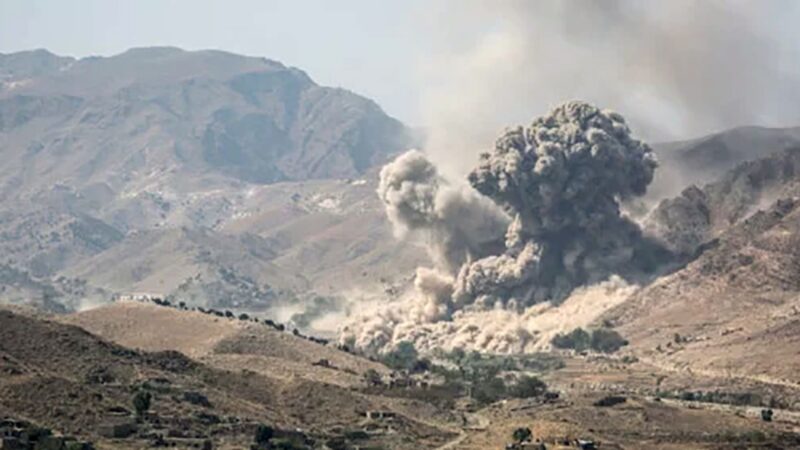
The bulk of Pakistan’s military modernization efforts from 2020 to 2025 were centered on the lessons it took away from its skirmish with India in 2019. The “Balakot Incident” began with an Indian Air Force (IAF) strike at stand-off range from within Indian airspace, and concluded via a large-scale engagement (LFE) by the Pakistan Air Force (PAF) the following day.
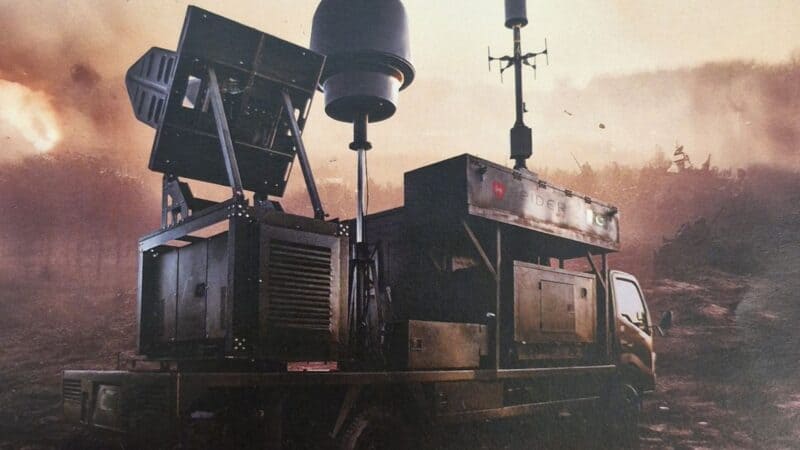
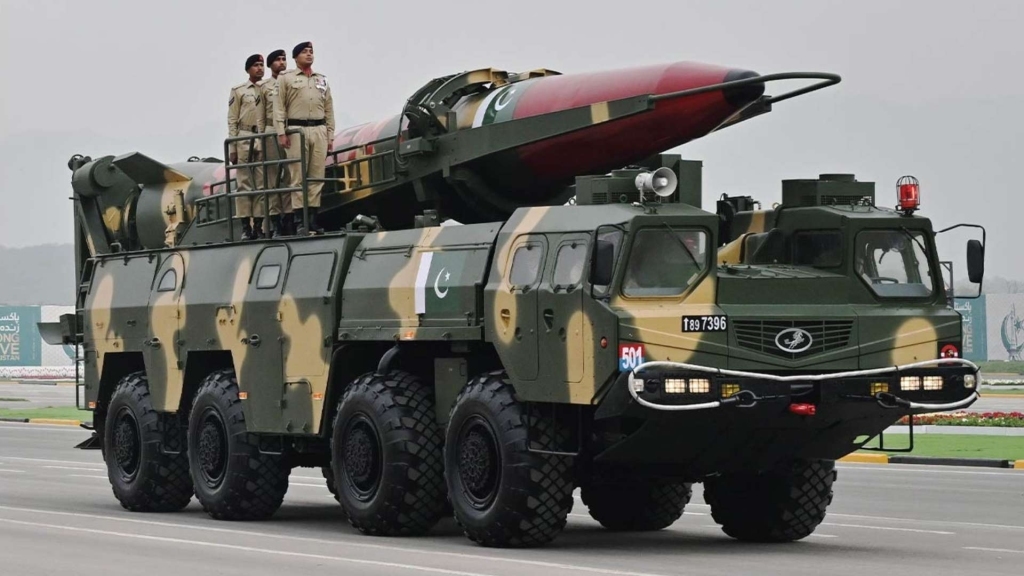
Pakistan’s priorities centered on building the capacity to intercept a future IAF-led stand-off range strike, undertake a LFE involving large numbers of network fighter aircraft and special mission platforms, and carry out retaliatory strikes at stand-off range from both air and land.
On May 7th, Pakistan had largely anticipated a conflict similar to the Balakot Incident, albeit at a potentially larger scale. One early change was that the PAF was deployed to engage the IAF partway into the initial strike.
It is possible that Pakistan’s rationale was that if it inflicts losses on India (e.g., by shooting down multiple IAF aircraft), it would dissuade India from any further action by establishing that any activity would be costly. If necessary, Pakistan would later take on an offensive strike against (as discussed in a podcast episode) a predefined ‘library’ or key targets, such as previously identified munition depots or radar sites, for example.
Quwa Plus
Go Beyond the Headlines on Pakistan’s Defence and Security.
Quwa Plus gives you deeper reporting, briefings, and analysis on Pakistan’s defence programs, foreign policy, national security, and regional strategy. Follow the developments that matter to professionals, analysts, and serious readers tracking Pakistan’s security landscape.
Join ($29.99/Year) Already a subscriber?Sign in