
Youtube
X-twitter
Linkedin
Spotify
Rss
Get access to this article and all other Quwa content today.
Click Here
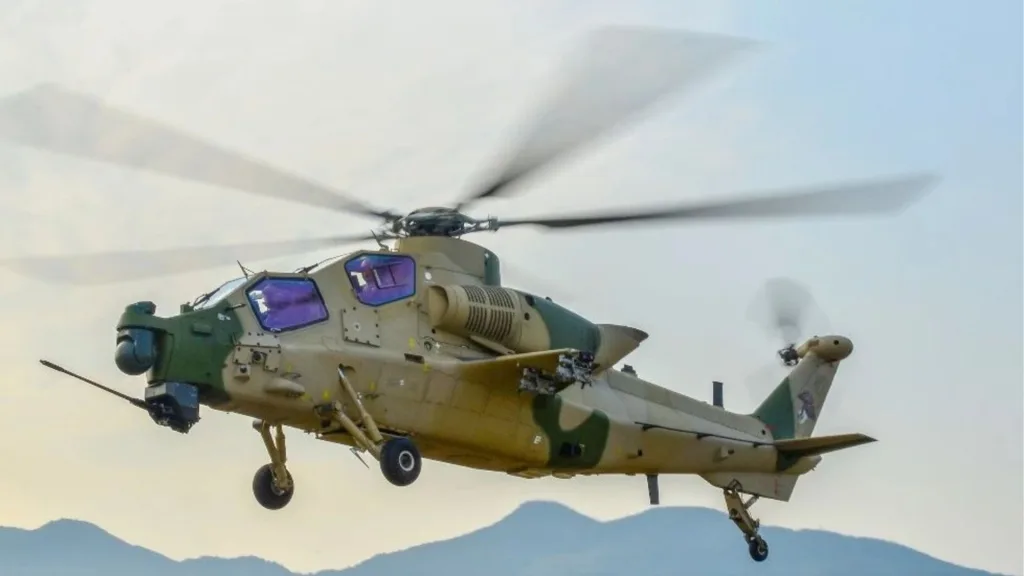
The Z-10ME itself resulted from feedback the PAA provided to Changhe Aircraft Industries Corporation (CAIC) after evaluating the original Z-10A in 2015 and 2016. The PAA called for improved sand and dust filtration, higher output engines, and reinforced armour plating in the aircrew area.
This feedback resulted in the Z-10ME, an evolution aimed at emulating the durability of the AH-1Z, which was the original choice for building the PAA’s conventionally focused anti-armour force.
Today, the PAA’s rotary craft modernization could be gaining momentum following a 20% increase in the defence budget. Moreover, the Pakistan Army (PA) appears to have largely addressed its immediate tank and artillery needs through the NORINCO VT4/HIT Haider and SH-15, respectively, clearing the way for aviation modernization.
However, the Z-10ME purchase represents more than simply replacing aging Cobras.
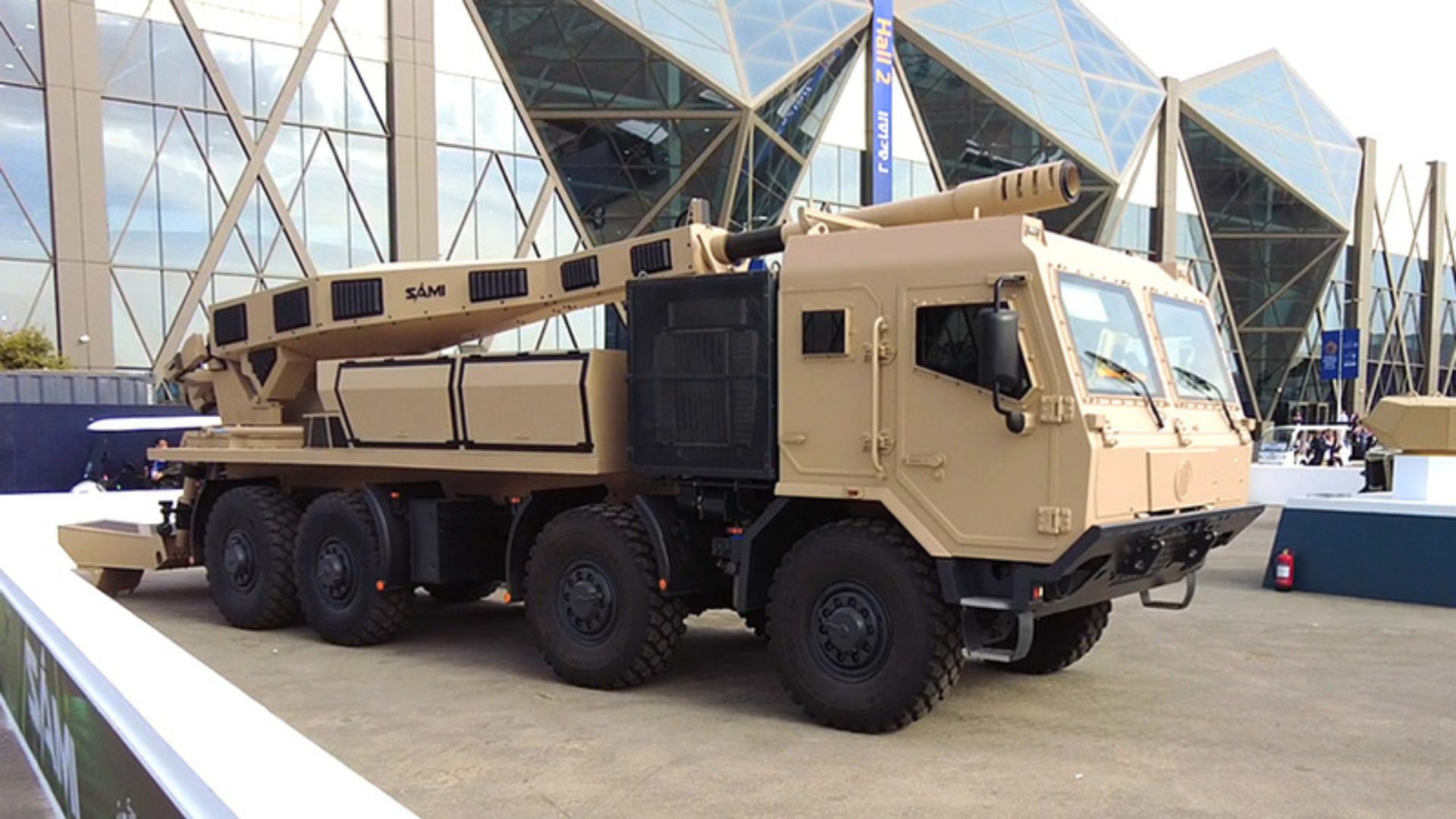
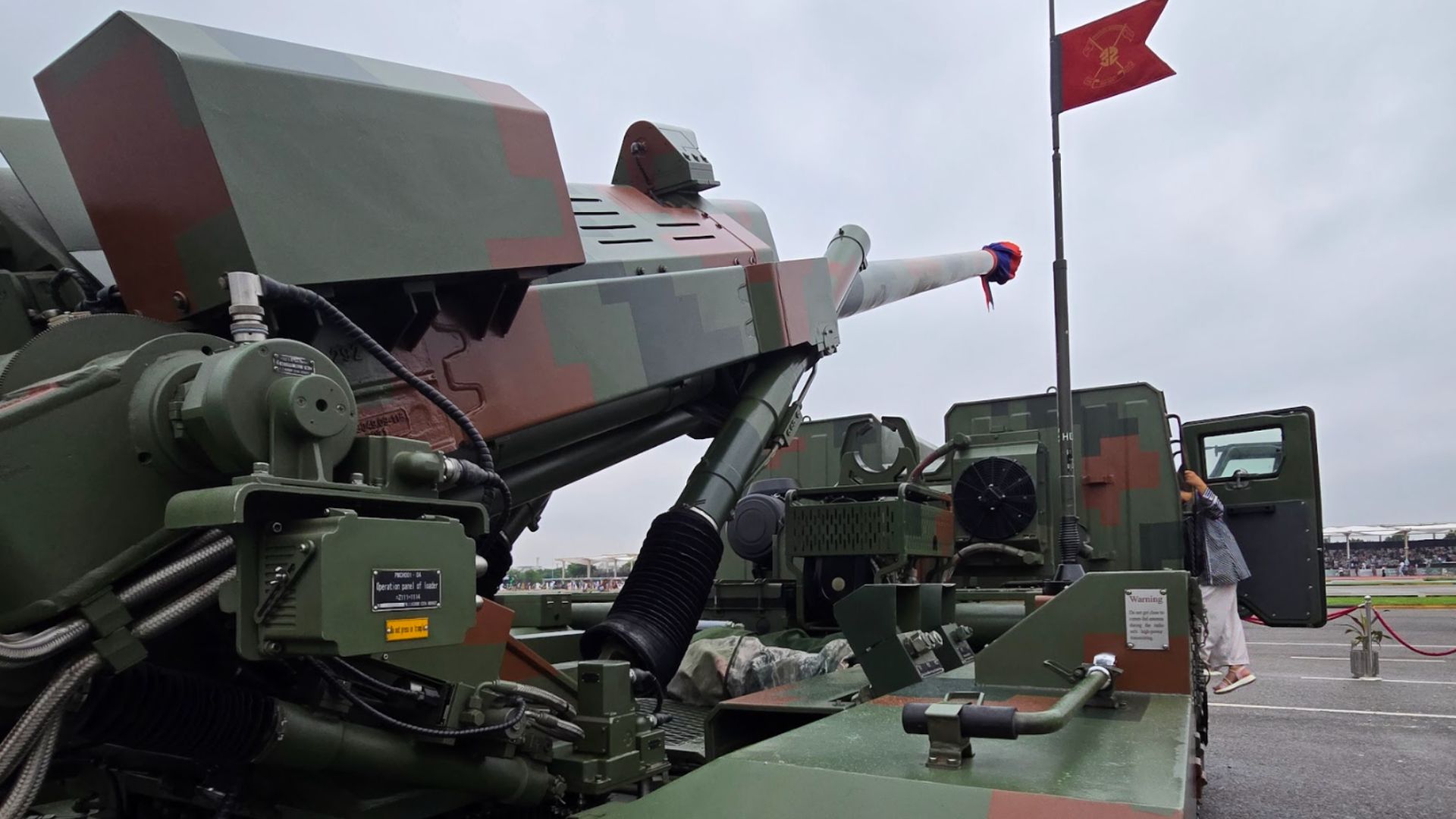
The PA has systematically acquired Chinese platforms for each core military function: the VT4 for armour, SH-15 and A-100 for artillery, HQ-9/P, LY-80/EV, as well as FM-90 for air defence, and now the Z-10ME for combat aviation.
This procurement pattern suggests Pakistan may have assembled the ingredients for an integrated combined arms capability.
Integratable Platforms, Not Just Weapons
The Pakistan Air Force’s (PAF) response to the Indian Air Force’s (IAF) large-scale airstrike on May 7th demonstrated a deeply integrated “multi-domain warfare” system. This system may have involved cooperative engagement capability (CEC) involving different PAF fighter aircraft, most notably the J-10CE and JF-17C Block-3, with the PL-15E long-range air-to-air missile (LRAAM) as the cross-platform-managed munition. So, for example, a JF-17C may have fired a PL-15E with its own radar switched off, but a J-10CE’s radar may have guided that specific missile towards its intended target.
This deep level of cross-platform munitions management was borne from the fact that a key Chinese platform was involved in the mix, from the deployment platform to the main munition to the guiding sensor platform. With a single supplier underpinning each input, there is a sense that the PAF leveraged an out-of-the-box level of interoperability.
Don't Stop Here. Unlock the Rest of this Analysis Immediately
To read the rest of this deep dive -- including the honest assessments and comparative analyses that Quwa Plus members rely on -- you need access.