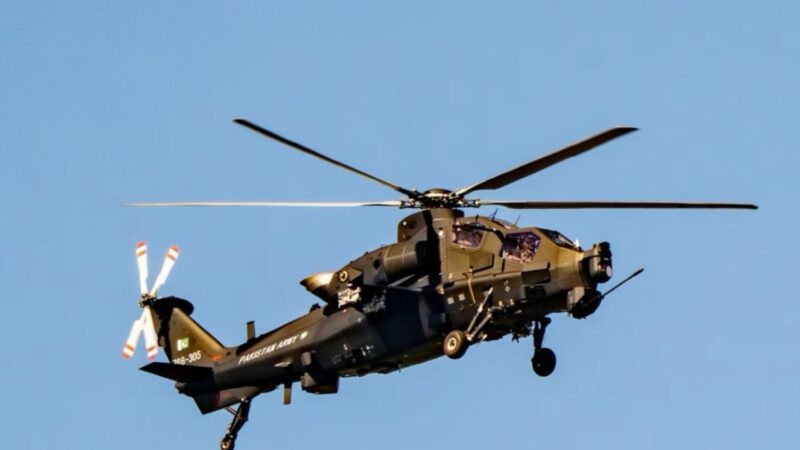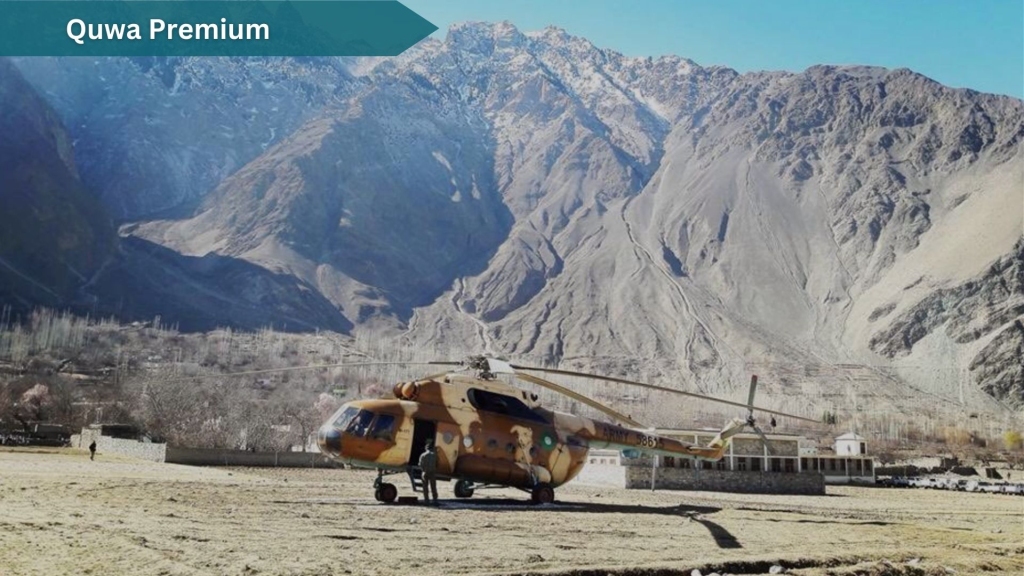
From 18 to 25 January, Pakistan’s security forces carried out at least seven major counter-insurgency (COIN) or counter-terrorism (CT) operations in specific areas of the provinces of Khyber Pakhtunkhwa (KP) and Balochistan. Since the start of this month, Pakistani authorities stated that they carried out 15 COIN/CT operations, with Kacchi and Zhob districts being key focal points in Balochistan, and Kurram, Karak, and Khyber being hot zones in KP.
This could present an interesting opportunity for newer defence industry entrants. However, those that tie into the respective industry interests of the PAF and PA could differentiate themselves. To what extent this would last into long-term procurement is unclear, especially as domestic solutions mature and, potentially, drive military investment in increasing production output.
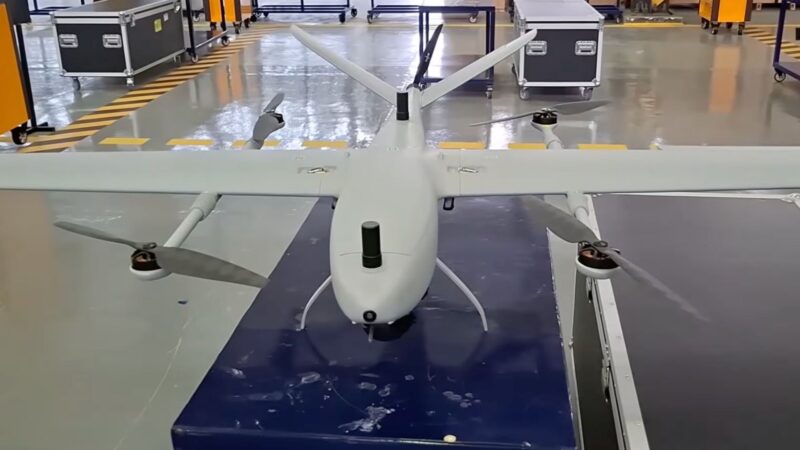
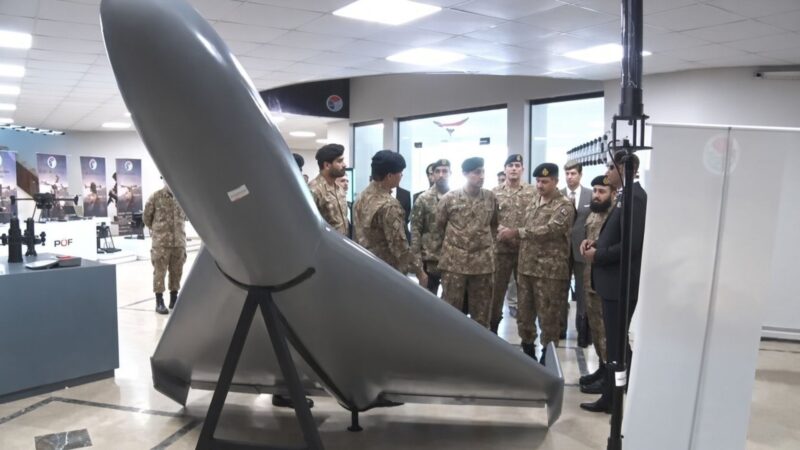
A tested approach could involve partnering with a state-owned entity (SOE) to produce an existing LM in Pakistan under license. This way, the PA/PAF can immediately acquire a tested LM solution while, at the same time, support their own industry arms. A novel variation of this approach would involve designing a new solution in partnership with these vendors, as Baykar Defense is doing with NASTP.
Armoured Vehicles
Even at the height of Pakistan’s COIN/CT operations, the PA did not buy specialized armoured vehicles, such as MRAPs or 4×4 light armoured vehicles (LAV), in the numbers observers expected. Currently, the PA’s primary MRAP is the MaxxPro, which it acquired from the U.S.
It now seems that the PA is making a more committed push towards MRAPs. For example, in November 2024, it ordered 100 Chaiseri First Win 4×4 LAVs from Thailand. The deal will involve a ToT element with Heavy Industries Taxila (HIT), which would see the latter manufacture the MRAPs in Pakistan.
However, it is not known if the ToT would extend beyond the first 100 vehicles. HIT has a chequered past record of engaging in nominal ToT agreements with numerous vendors as a way to promote goods to the PA and other countries, but rarely follows up with actual production output. The exceptions are MBTs like the VT4-based Haider and VT1-based al-Khalid, and, in terms of armoured personnel carriers (APC), the M113-based Talha and its derivatives, like the Hamza, Saad, etc.
It seems that the PA has an aversion to committing to MRAPs and other wheeled LAVs, at least as long- term investments. There could be a sense among its decision-makers that armoured solutions should be versatile enough for both conventional and non-conventional operations, at least if large numbers and/or domestic production rights are to be justified.
However, the recent flare ups in KP and Balochistan may have pushed the PA to consider COIN/CT as a perennial challenge and security concern. Thus, it may start thinking of raising permanent capabilities for COIN/CT across its core areas, be it infantry, armour, artillery, or aviation.
Quwa Plus
Go Beyond the Headlines on Pakistan’s Defence and Security.
Quwa Plus gives you deeper reporting, briefings, and analysis on Pakistan’s defence programs, foreign policy, national security, and regional strategy. Follow the developments that matter to professionals, analysts, and serious readers tracking Pakistan’s security landscape.
Join ($29.99/Year) Already a subscriber?Sign in