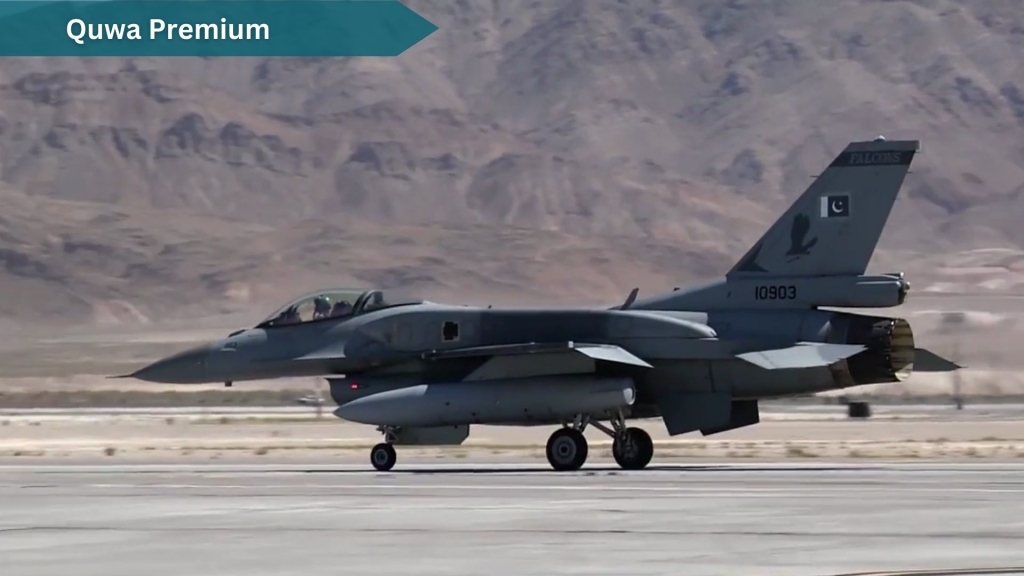
The U.S. State Department’s recent decision to exempt $397 million in security assistance from a broader aid freeze marks the latest turn in the decades-long saga of Pakistan’s F-16 program.
This funding seeks to specifically support the Technical Security Team (TST), a contingent of contractors stationed in Pakistan to monitor F-16 usage under strict end-use monitoring rules, which seem to require the Pakistan Air Force (PAF) to only use the F-16s, especially the newer F-16C/D Block-52 fighters, for counterinsurgency (COIN) and counter-terrorism (CT) operations.
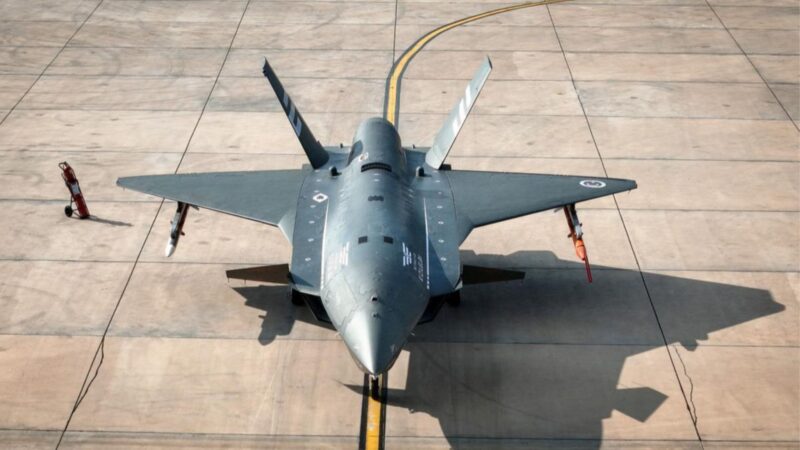
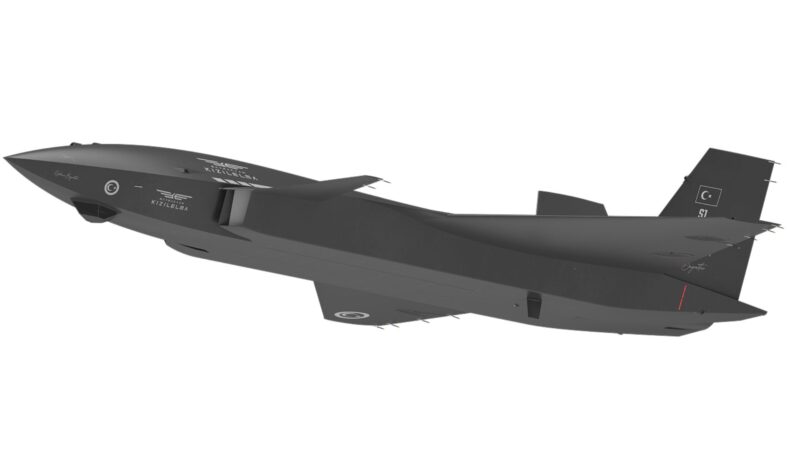
From a technical standpoint, the PAF can merge the air-to-air and air-to-surface roles of the F-16A/B MLU and Mirage ROSE, respectively, into one platform. Yes, the J-35 would be costly, and the PAF will not field it in as large numbers as its older platforms. However, the PAF would likely employ a manned-unmanned teaming (MUM-T) approach involving unmanned combat aerial vehicles (UCAV) and smart munitions.
The irony in this scenario is that in its bid to control the PAF’s reach and capabilities via the F-16, the U.S. may have steered the PAF into the other direction. Instead, the PAF could deploy the offensive capabilities the U.S. wanted to prevent it from gaining and, more crucially, be immune to U.S. pressure, at least from a technical support or technology access standpoint.
Quwa Plus
Go Beyond the Headlines on Pakistan’s Defence and Security.
Quwa Plus gives you deeper reporting, briefings, and analysis on Pakistan’s defence programs, foreign policy, national security, and regional strategy. Follow the developments that matter to professionals, analysts, and serious readers tracking Pakistan’s security landscape.
Join ($29.99/Year) Already a subscriber?Sign in