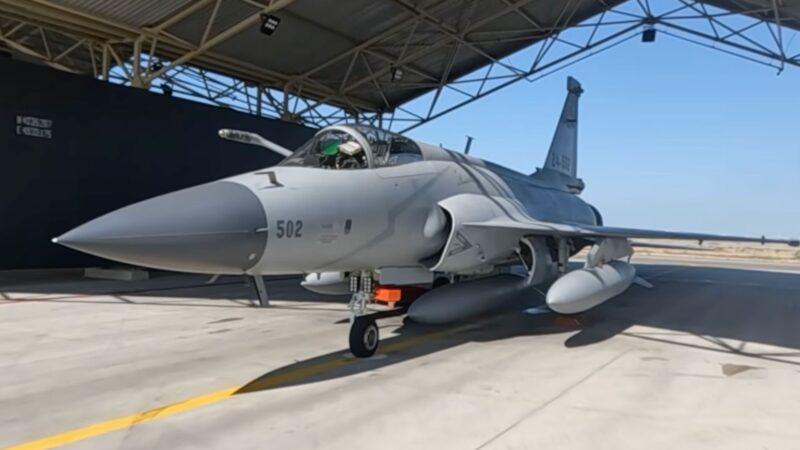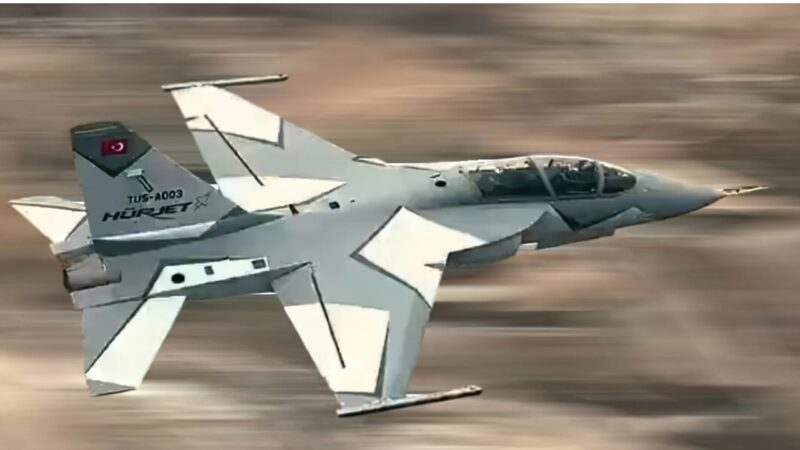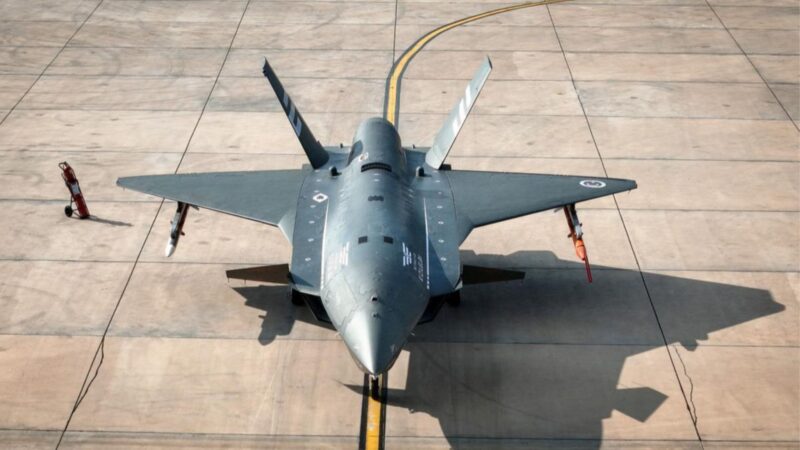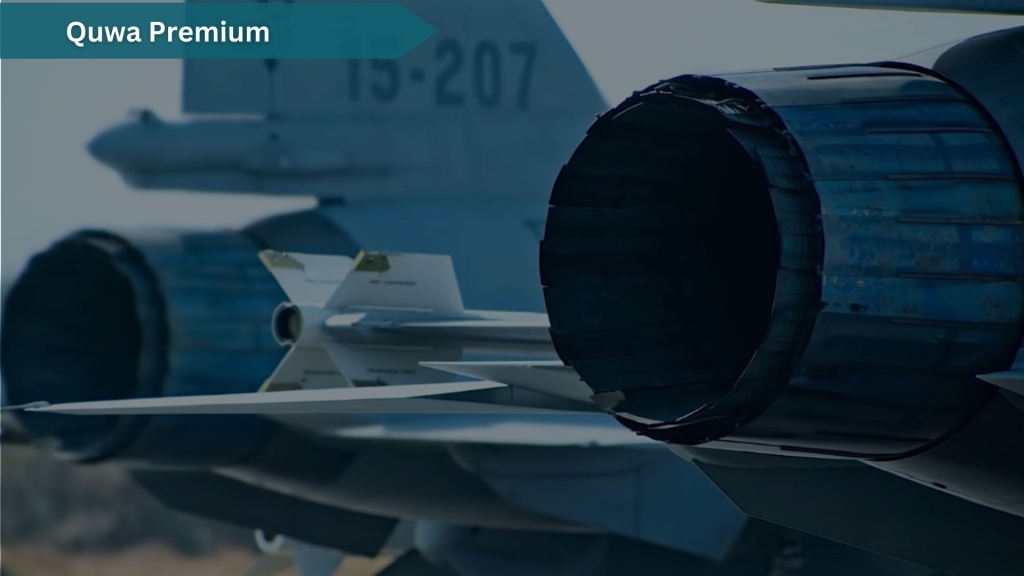
In the midst of Pakistan’s recent tensions with India, the Pakistan Air Force (PAF) revealed a number of key details about its capabilities.
Details on new ground-based air defence systems (GBAD), new-generation munitions for the JF-17 Block-III, and the evolving composition and growing role of its unmanned aerial vehicle (UAV) fleet underscore a multi-pronged strategy.
The PAF’s strategy appears focused on developing a more layered air defence network, enhancing the combat effectiveness of its fighter fleet, and leveraging unmanned systems for increasingly complex roles, such as long-range strikes.
Get access to this article and all other Quwa content today.
Click Here
Quwa Plus
Go Beyond the Headlines on Pakistan’s Defence and Security.
Quwa Plus gives you deeper reporting, briefings, and analysis on Pakistan’s defence programs, foreign policy, national security, and regional strategy. Follow the developments that matter to professionals, analysts, and serious readers tracking Pakistan’s security landscape.
Join ($29.99/Year) Already a subscriber?Sign in