The Pentagon signed new multiyear production framework agreements with Anduril Industries, CoAspire, and Zone 5 Technologies on 15 July 2026.
The agreements cover low-cost cruise missiles produced under the US Air Force’s Family of Affordable Mass Missiles (FAMM) program.
Each deal is structured as a multi-year arrangement of up to seven years, subject to congressional appropriations, and uses firm-fixed-price terms with minimum quantity floors.
The frameworks still require individual contracts with the Department of War, but give Anduril, CoAspire, and Zone 5 a basis to plan longer production runs with their suppliers.
“The Arsenal of Freedom of the 21st Century requires doing business differently,” said Michael Duffey, the Under Secretary of War for Acquisition and Sustainment.
The Department cast the agreements as part of its Acquisition Transformation Strategy, running the lugged and palletized FAMM variants under a single combined competition with production incentives for vendors that meet or beat their delivery schedules.
Follow How Emerging Capability Markets Are Taking Shape
Get clearer visibility into the vendors, product categories, and demand signals shaping fast-rising segments such as loitering munitions, C-UAS, and low-cost guided strike systems.
A $12.6 billion program of record
The Air Force’s fiscal 2027 budget documents outline plans to buy nearly 28,000 FAMM rounds over five years at a projected cost of $12.6 billion.
It is the first program of record publicly revealed for the weapon.
Procurement starts slowly, with annual quantities in the Future Years Defense Program rising from roughly 1,000 rounds to nearly 8,000 by 2031.
The fiscal year 2026 National Defense Authorization Act gave the Department authority to pursue five-year FAMM production deals, and the Air Force is now seeking seven-year multi-year procurement authority in the fiscal 2027 NDAA.
FAMM is designed to field low-cost cruise missiles built for non-traditional deployment configurations, rather than conventional launch platforms.
The program covers two variants: a palletized version, FAMM-P, dropped from cargo aircraft, and a “lugged” version, FAMM-L, carried by fighters and bombers.
For fiscal year 2027, the Air Force is requesting $300 million in reconciliation funding to buy 1,000 rounds, with a separate $55 million in base funding directed at an extended-range variant.
The cost case drives the program, with the Air Force targeting roughly $218,000 per FAMM round against more than $1.3 million for a Joint Air-to-Surface Standoff Missile (JASSM).
The FAMM contenders and their ERAM roots
FAMM traces to a Defense Innovation Unit (DIU) effort called the Enterprise Test Vehicle (ETV) program, which developed a palletized munition launched from cargo aircraft.
Air Force Chief of Staff General Kenneth Wilsbach said the first FAMM munitions are on track to begin production this fall.
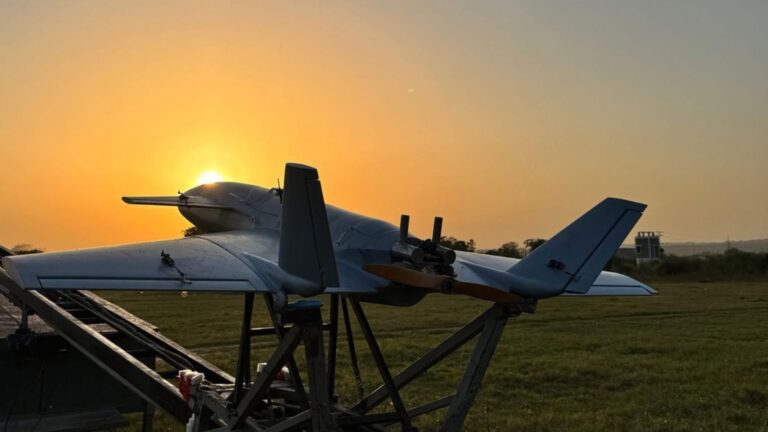
Zone 5’s FAMM entrant is the Rusty Dagger missile, a design that traces to the Air Force’s earlier Extended Range Attack Munition (ERAM) program.
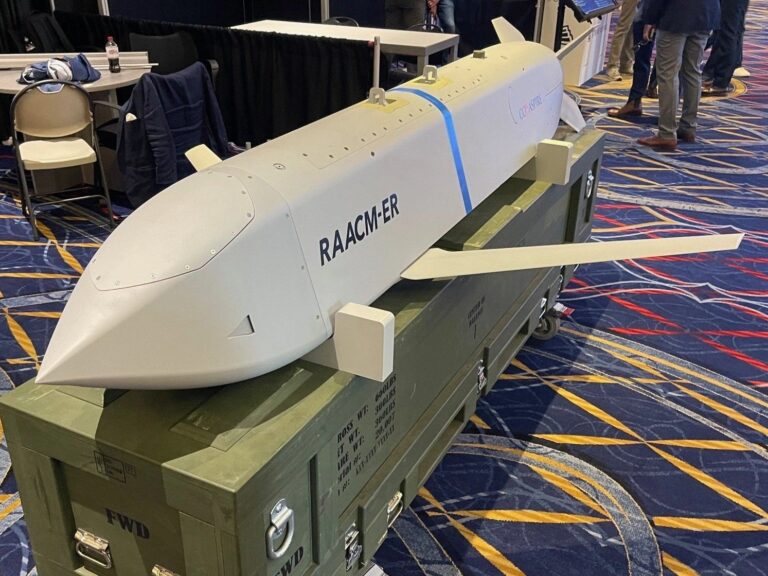
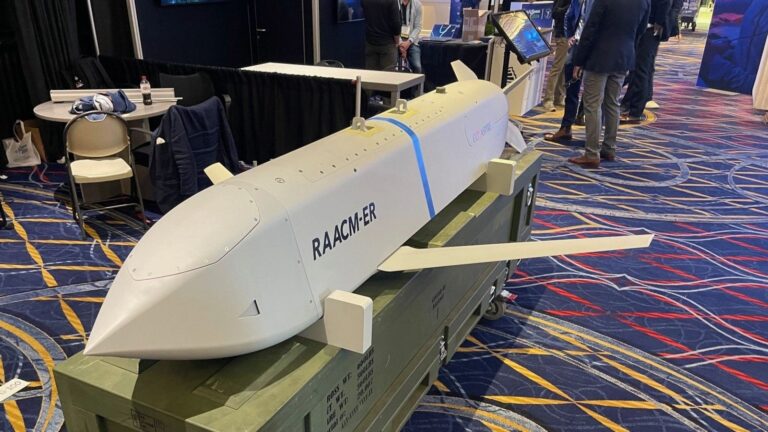
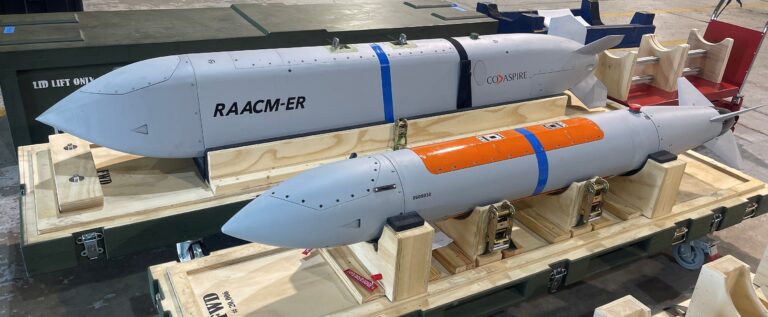
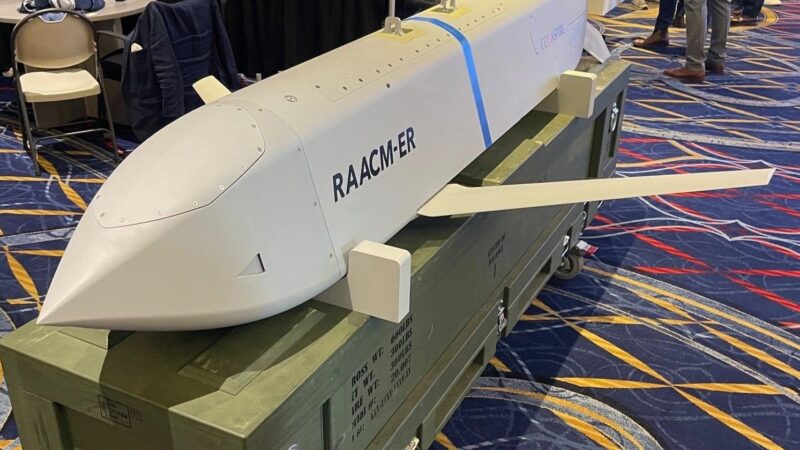
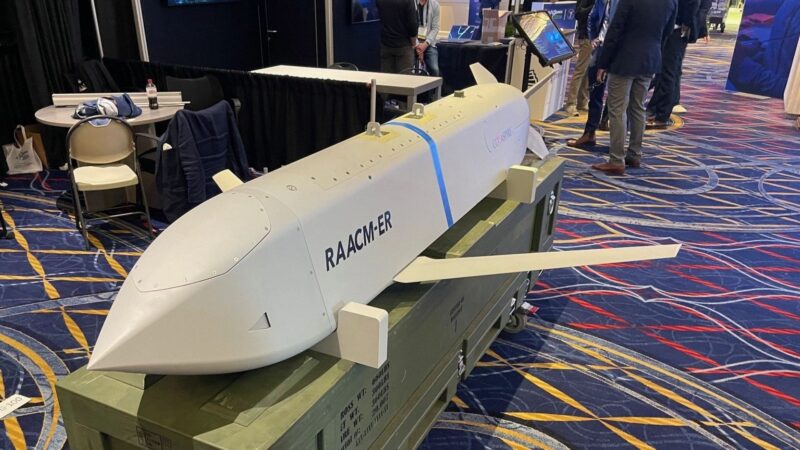
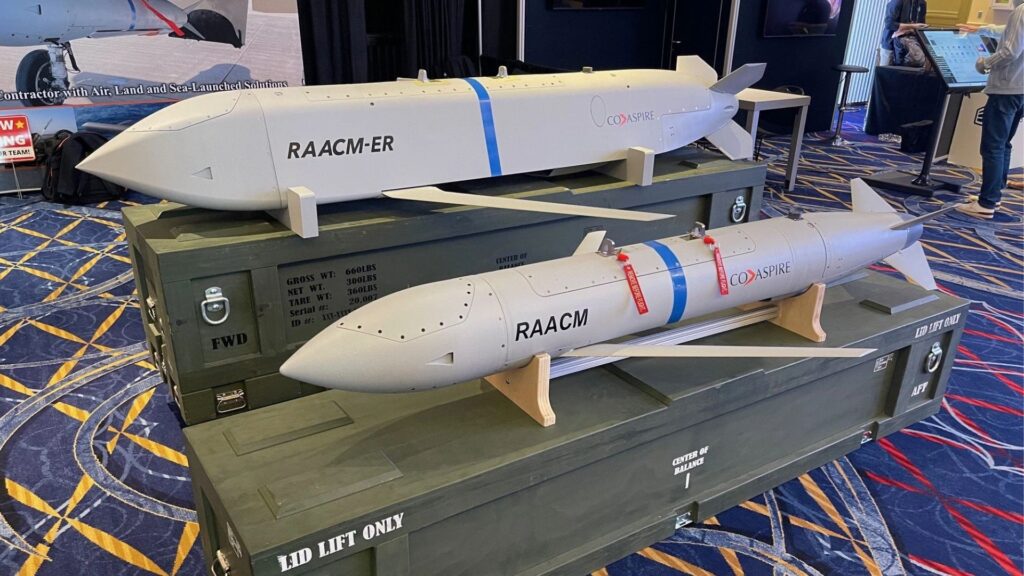
CoAspire’s entrant, the Rapidly Adaptable Affordable Cruise Missile (RAACM), also originated under ERAM.
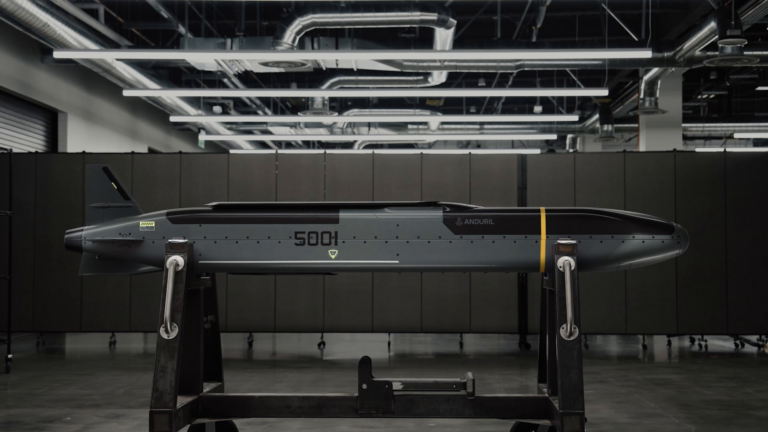
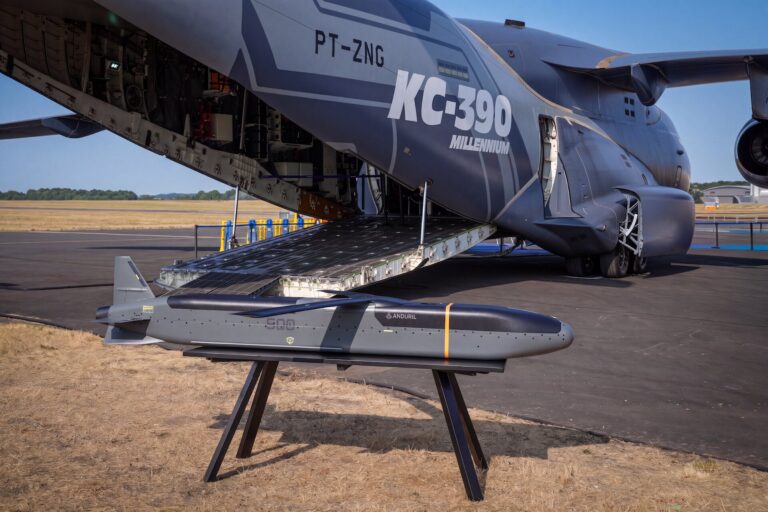
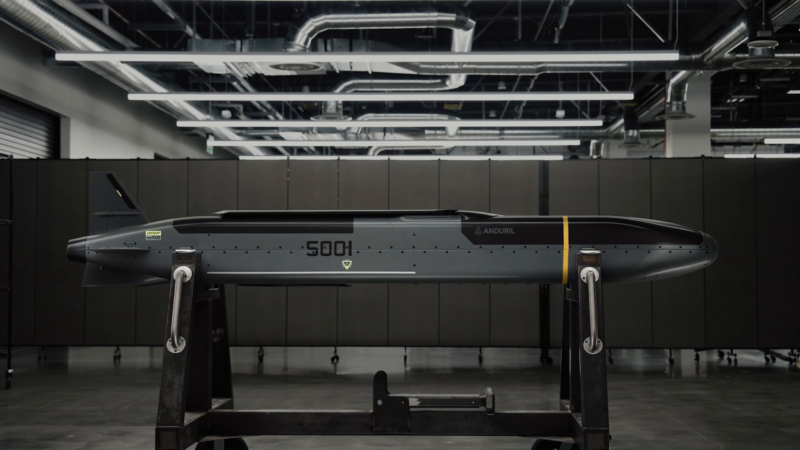
Anduril’s Barracuda-500 rounds out the trio; the company separately signed a framework agreement with the Department of War on 15 July for an air-launched version of the missile.
Part of a wider Pentagon missile buildout
The new FAMM frameworks follow a related agreement the Pentagon signed in May 2026 with Anduril, CoAspire, Leidos, and Zone 5 for the Low-Cost Containerized Missiles (LCCM) program.
That program targets more than 10,000 missiles over three years, with test rounds fielded from mid-2026 and production beginning in 2027.
Under LCCM, Anduril is offering a surface-launched Barracuda-500M at a minimum of 1,000 rounds a year, while Leidos is fielding the AGM-190A, a variant of its Black Arrow, at a planned 3,000 units.
The Pentagon separately signed a framework with Castelion in May 2026 covering its Blackbeard hypersonic missile, with a minimum order of 500 missiles annually once testing is complete.
Zone 5 Technologies was acquired by Norway’s Kongsberg Defence & Aerospace in December 2025.
On 14 July, a senior Army acquisitions official named Anduril, Castelion, and Ursa Major as potential suppliers for a separate, high/low-mix long-range hypersonic missile requirement.
Quwa Pro
See Which Emerging Vendors and Capability Areas Are Gaining Ground
Understand where new suppliers are finding traction, which product categories are drawing attention, and how militaries are shaping demand in areas like loitering munitions, C-UAS, and affordable precision strike.
Featured & Trusted By