Operation Epic Fury, which ran from 28 February to 5 May 2026, consumed the United States’ guided munitions stockpile faster than its industry could replace them. Meanwhile, Iran had fully activated its vast inventories of loitering munitions and ballistic missiles to stress the air defence systems of the US and its Gulf partners to the point where, arguably, cracks began showing both from America’s technical capacity to sustain its warfighting in those moments and in the patience and confidence of its allies in the capitals of Saudi Arabia, Qatar, the United Arab Emirates, Oman, Bahrain, and Kuwait.
Yet, despite high-level dialogues in Pakistan, and later in Switzerland, and an outline of a possible long-term deal through a memorandum of understanding (MoU), America and Iran are still fighting. Moreover, in these apparent ‘on-and-off’ confrontations, it also seems that the United States’ approach to fighting Iran is evolving by leveraging the efforts of both traditional and emergent defence industry players since the start of the Russia-Ukraine War in 2022.
On 12 July 2026, US Central Command (CENTCOM) announced that it employed three Saronic Corsair unmanned surface vessels (USV) against a submarine and ship maintenance facility at the Bandar Abbas naval base in Iran, in a wave of strikes aimed at degrading Tehran’s ability to attack commercial shipping through the Strait of Hormuz. CENTCOM stated that the strike was the first time that US used sea drones in combat, joining two other combat debuts from this conflict – i.e., the employment of the Low-Cost Uncrewed Combat Attack System (LUCAS) and the Precision Strike Missile (PrSM).
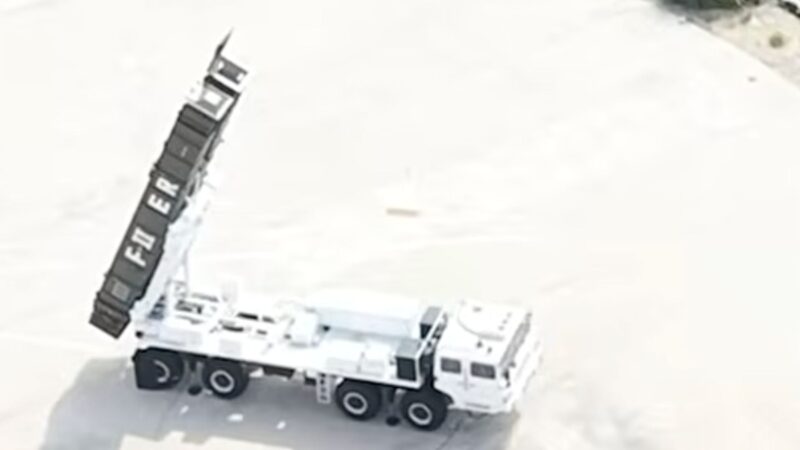
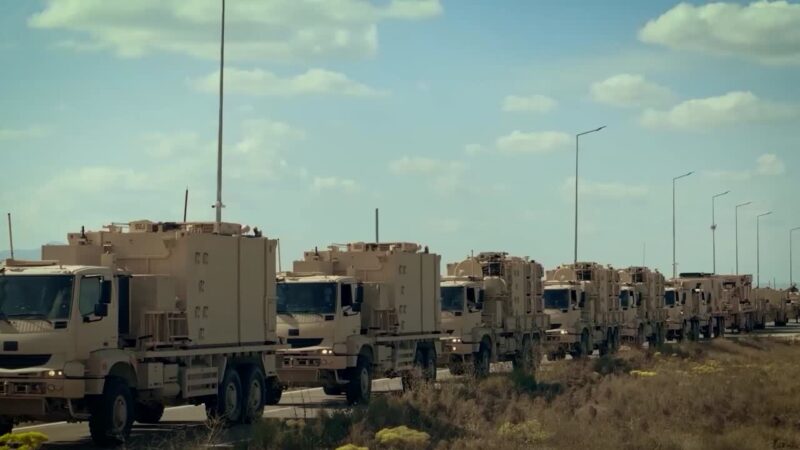
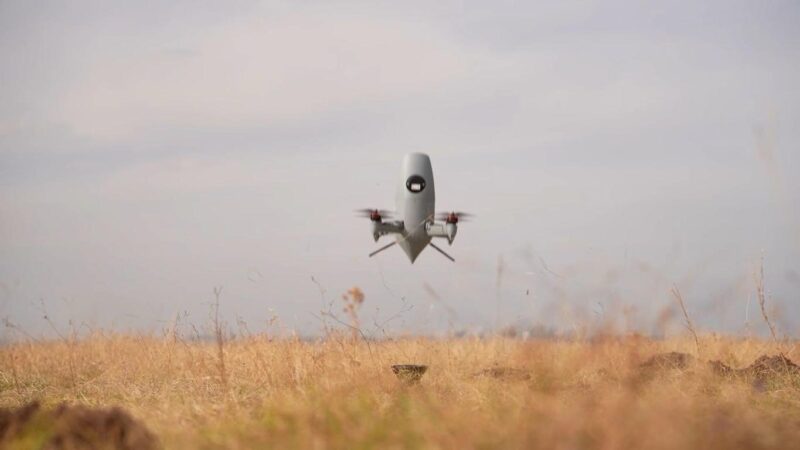
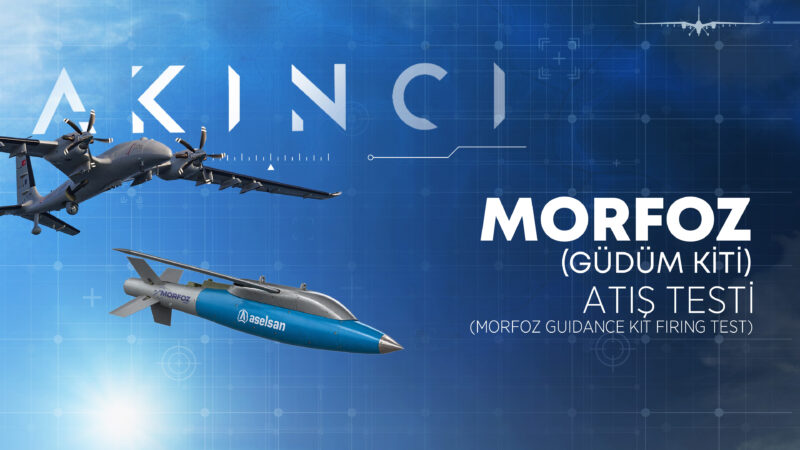
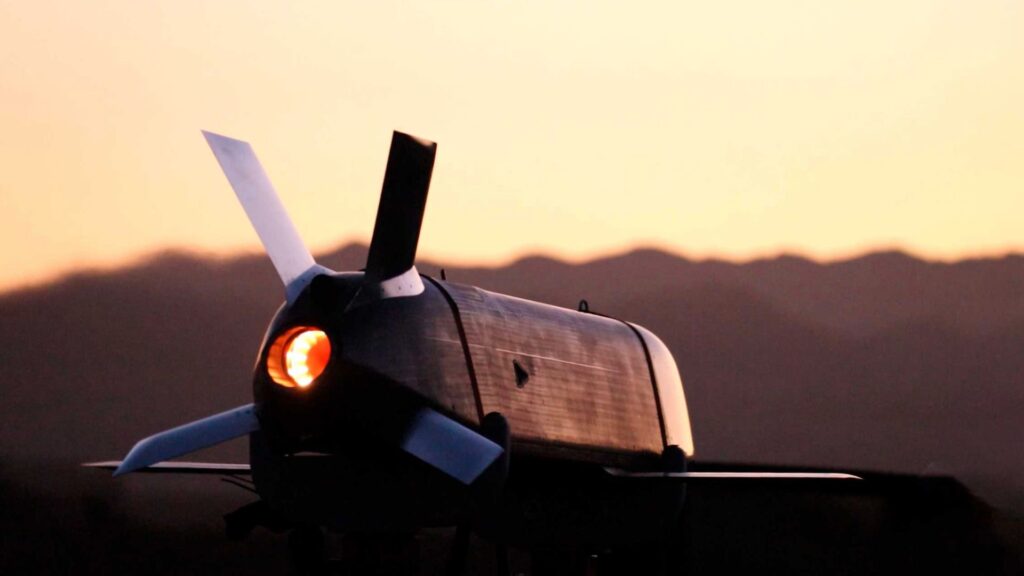
Between USVs, an analogous loitering munition platform to the Shahed and Geran via the LUCAS, and the PrSM guided conventional ballistic missiles, the US has, on the surface, begun emulating the same warfighting tactics as Iran. More broadly, the US, like many other major militaries (e.g., Turkiye, Pakistan, and others), is adopting the lessons learned from and since the advent of the Russia-Ukraine War, where scalable precision-strike capacity as well as rapid, cost-effective replenishment are in demand.
The outcome of that demand has seen the rise of piston- and jet-powered loitering munitions, conventional ballistic missiles, and a new focus on low-cost cruise missiles – all of which the US has converged upon.
Quwa Pro
See Where Emerging Defence Markets are Moving
Quwa Pro goes beyond tracking programs and equipment by explaining the policies, incentives, industry dynamics, and competitive pressures shaping South Asia's defence markets.
Subscribe Already a subscriber?Sign in