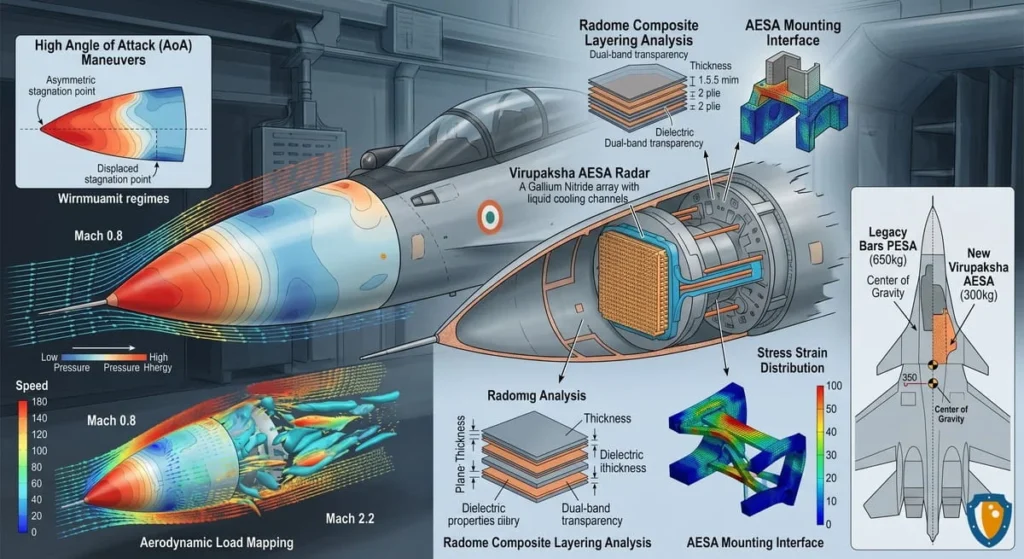
Engineers from Hindustan Aeronautics Limited’s (HAL) Nashik division, the Defence Research and Development Organization (DRDO), and the Electronics and Radar Development Establishment (LRDE) in Bengaluru have commenced critical aerodynamic load testing on the Su-30MKI’s radome — the protective nose cone that must be structurally sound under extreme flight conditions while remaining transparent to radar waves — as a prerequisite for integrating the indigenous Virupaksha Active Electronically Scanned Array (AESA) radar.
The Virupaksha is a Gallium Nitride (GaN)-based AESA radar built around approximately 2,400 transmit/receive (T/R) modules, designed to replace the current Russian-origin N011M Bars passive electronically scanned array (PESA) radar fitted on the IAF’s Su-30MKI fleet. DRDO’s LRDE completed the radar’s “First Light” — its first power-on test — in February 2026, marking the transition from design to active hardware evaluation. Detection range is estimated at 1.5 to 1.7 times the current Bars radar.
The radome work is technically demanding because the Virupaksha’s GaN array is larger, heavier, and more powerful than the Bars system it replaces. A new radome — internally designated Nose Cone-V — has been developed with a longer profile and a slightly wider base, using an optimized ogive shape to maintain the Su-30MKI’s aerodynamic and centre-of-gravity characteristics while accommodating the new array. The Nose Cone-V completed preliminary wind-tunnel testing at NAL Bengaluru and is now entering full-scale structural and electromagnetic validation. Current research is mapping how the radome reacts during cruising, high-speed, and supersonic flight regimes to ensure that the structure does not interfere with or distort the radar beam under operational conditions.
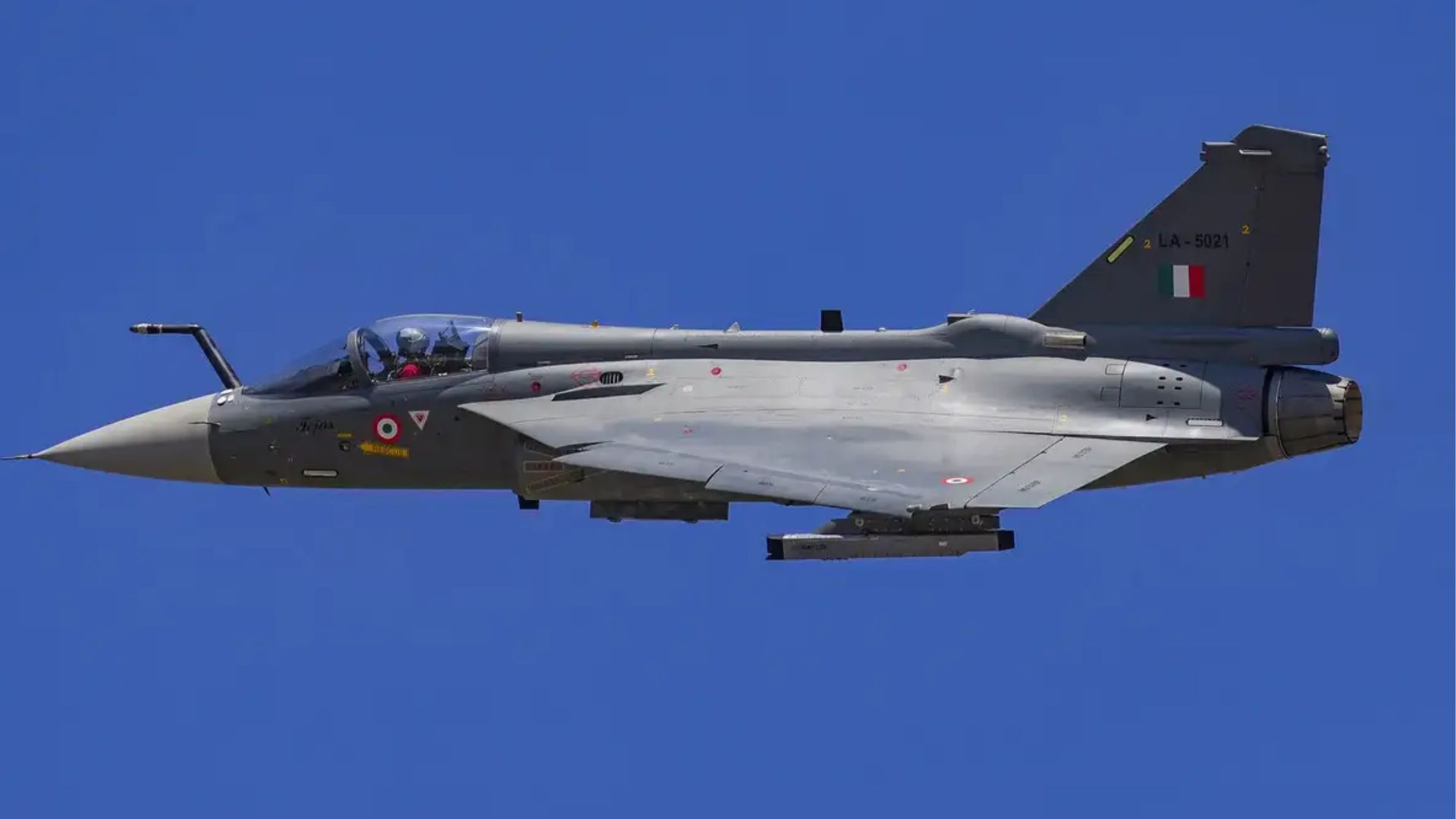
DRDO is also constructing a dedicated X-Band Radome Test Jig — a ground-based setup designed to simulate the interaction between the radar and the radome, allowing engineers to evaluate beam integrity, signal strength, and system reliability before flight testing begins. This step is critical: any weakness or distortion in the radome could compromise the radar’s performance and undermine the effectiveness of the entire upgrade. The challenge of integrating advanced indigenous sensors into existing airframes is one that India is confronting across multiple programs — the Tejas Mk1A’s ongoing AESA radar integration with its EW suite and mission computer being another instance.
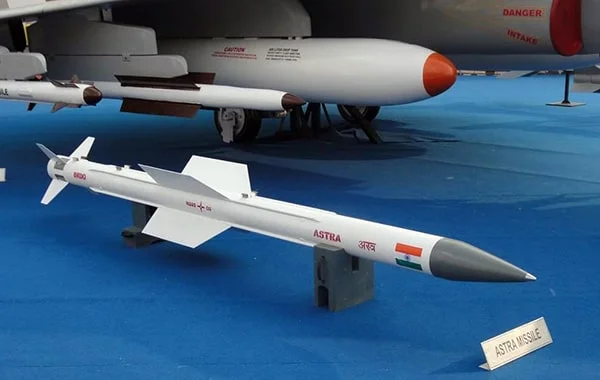
The Virupaksha integration is the technological centrepiece of the ₹63,000 crore Super Sukhoi upgrade program, which aims to modernize 80–84 of the IAF’s Su-30MKI aircraft with indigenous systems — including advanced avionics, an upgraded electronic warfare suite, and compatibility with Indian-developed weapons such as the BrahMos cruise missile and the Astra BVRAAM. India’s approach to the Super Sukhoi upgrade — having withdrawn from the Russian FGFA program in 2018 in part over technology-sharing concerns — reflects a broader institutional shift toward indigenous systems integration across its combat aircraft fleet, with the Virupaksha’s development also expected to inform parallel AESA radar programs for the Tejas Mk2 and the AMCA fifth-generation fighter.