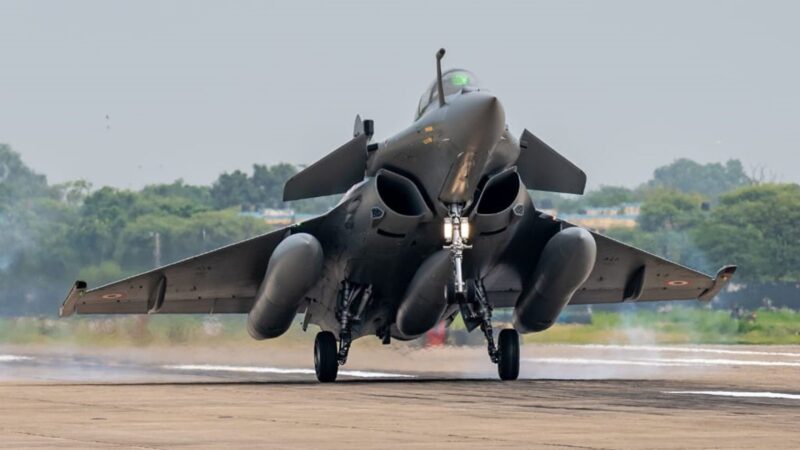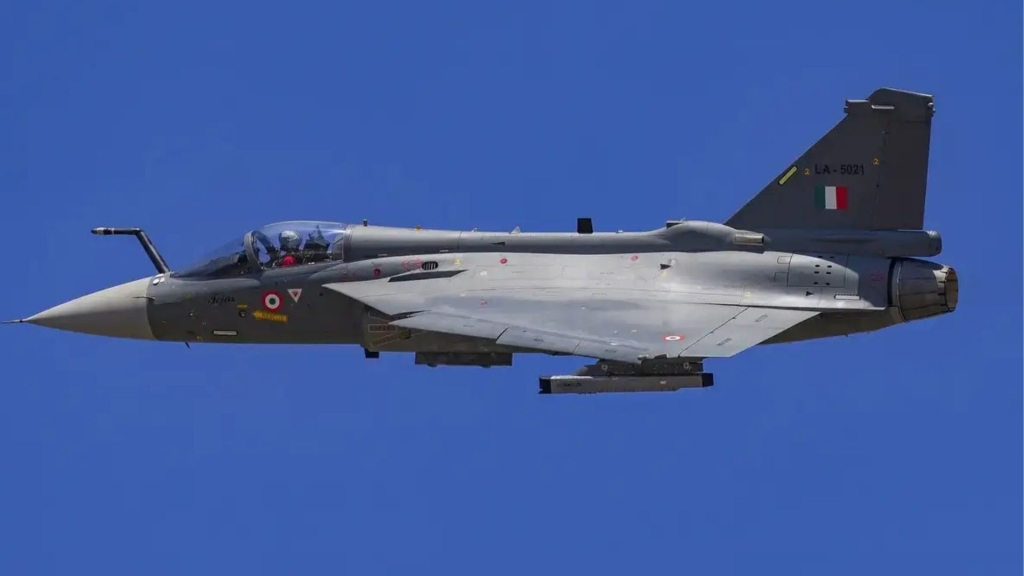
Hindustan Aeronautics Limited (HAL) and the Indian Air Force (IAF) have postponed a program review meeting on the Tejas Mk1A Light Combat Aircraft (LCA) to June 2026, with no firm date set, after the session – originally scheduled for late April or early May – was deferred because HAL had insufficient progress to present on mandatory operational benchmarks, The New Indian Express reported. A senior defence official told the outlet: “Had there been tangible movement on the programme, the review meeting, which was originally scheduled for this month, would have taken place.”
Newly appointed HAL Chairman and Managing Director Ravi Kota visited New Delhi earlier in May to meet IAF Chief Air Chief Marshal AP Singh and present a revised delivery schedule, per Asianet Newsable. The formal review – expected to involve Vice Chief of Air Staff Air Marshal Nagesh Kapoor and test pilots – will centre on AESA radar integration with the electronic warfare (EW) suite, missile firing trials, and validation of the full weapons package.
The Tejas Mk1A program is now running more than two years behind its original schedule, with first deliveries initially planned for 2024–2025 under the ₹1.09 lakh crore contract for 83 aircraft signed in 2021, since expanded by 97 additional units to a total order book of 180. The bottleneck is not a single issue but a compounding chain of systems integration and supply challenges that have reinforced one another throughout the delay.
The integration and synchronization of the Israeli-origin EL/M-2052 Active Electronically Scanned Array (AESA) radar with the aircraft’s EW suite and mission computer network remains the primary technical hurdle, per The New Indian Express. Sources told the outlet that “the radar, electronic warfare suite and weapons architecture” must communicate seamlessly through the mission computer, and that “certain performance benchmarks linked to radar range and optimization” have required additional testing and software corrections.
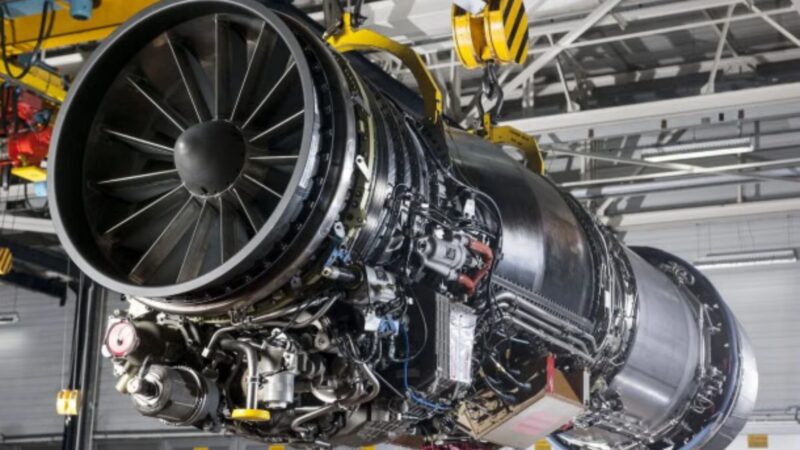
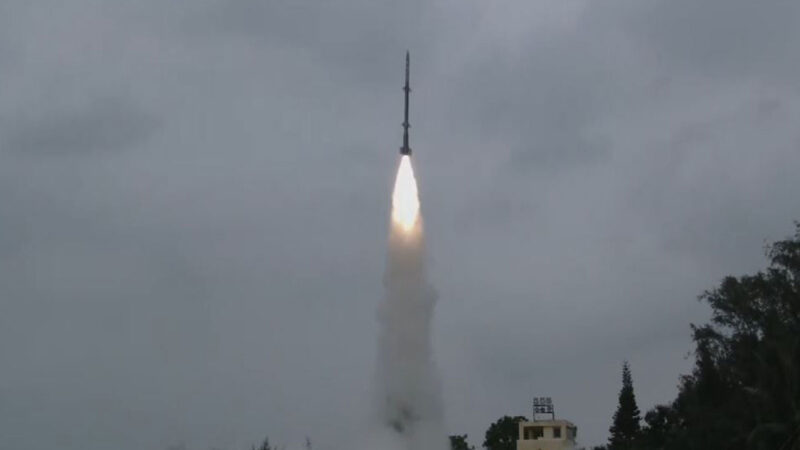
Astra beyond-visual-range air-to-air missile (BVRAAM) integration trials have also encountered setbacks requiring further refinement, and GE Aerospace has delivered only six F404 engines against the program’s requirements – far fewer than the 16 per year originally planned, as The New Indian Express reported. HAL has built, flown, and tested approximately 30 Tejas Mk1A airframes (fighters and trainers combined) using Category-B engines for trials, but these aircraft are now parked awaiting combat-ready F404-IN20 powerplants before they can be formally handed over to the IAF, as Defence News India reported.
During HAL’s Q4 FY26 earnings conference call, Kota stated that deliveries are now expected to begin between August and September 2026, contingent on F404 engine supply stabilization – and that 15–20 additional engines are expected in FY27, per Republic World. “We are hopeful that by August-September we should be able to start the delivery,” Kota said, adding that the program was “moving in a very positive direction,” per The Week.
The IAF, for its part, has already granted certain contractual relaxations on delivery-linked operational requirements and is considering additional dilutions to expedite induction – while maintaining what The New Indian Express described as “core operational requirements.” The Week reported that the IAF is willing to accept Mk1A aircraft with certain concessions if HAL can ensure the most important capabilities are in place, signalling that the service is prioritizing induction speed over waiting for full-specification delivery – a pattern consistent with the IAF’s broader posture of pressing for operational platforms on achievable timelines rather than holding out for complete contract compliance.