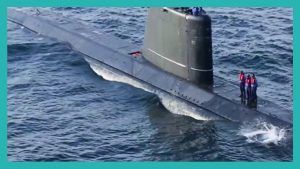
The Quiet Rise of the Pakistan Navy (Part 2) Plus
Like his predecessor, Admiral Ashraf will inherit an expansive modernization effort across the PN’s surface, sub-surface, and aviation domains.

Founder of Quwa, Bilal has been researching Pakistani defence industry and security issues for over 15 years. His work has been cited by Pakistan's National Defence University (NDU), the Council of Foreign Relations, Bulletin of Atomic Scientists, Centre of Airpower Studies and many others. He has a Hons. B.A in Political Science and Masters of Interntional Public Policy from Wilfrid Laurier University in Waterloo, Ontario, Canada.
Like his predecessor, Admiral Ashraf will inherit an expansive modernization effort across the PN’s surface, sub-surface, and aviation domains.
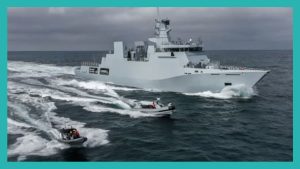
The PN has embarked on an ambitious plan to both modernize and expand its surface fleet with new warships from China, Turkey, and the Netherlands...
India mulls second indigenous aircraft carrier. Pakistan's GIDS reveals indigenous turbojet engine for cruise missile and drone applications.
Please log in or subscribe to complete the article.
Please log in or subscribe to complete the article.
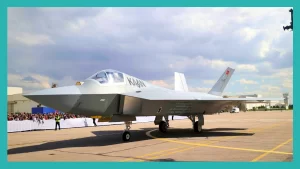
What does Turkey have to gain from letting Pakistan join the KAAN? Would Pakistan be an asset – or a liability?
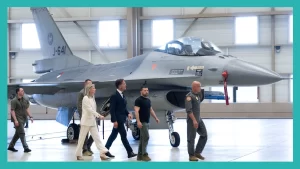
Several months after greenlighting the transfer of third-party F-16s and training from Europe, the U.S. will now directly provide F-16 flight training to Ukrainian pilots.
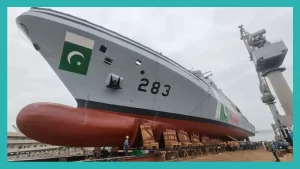
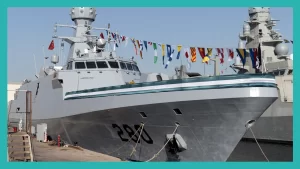
Karachi Shipyard & Engineering Works (KSEW) launched the Pakistan Navy’s fourth Babur-class MILGEM corvette, the PNS Tariq (283).
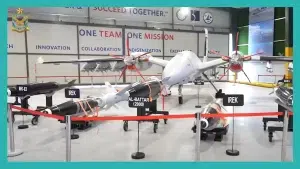
The Pakistan Air Force (PAF) is integrating numerous stand-off range weapons (SOW) to its newly inducted Bayraktar Akıncı drone.
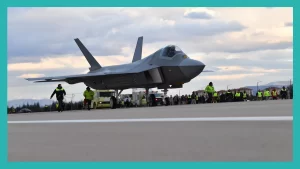
Türkiye will start negotiations with Pakistani officials in August about Pakistan potentially joining the KAAN next-generation fighter project.