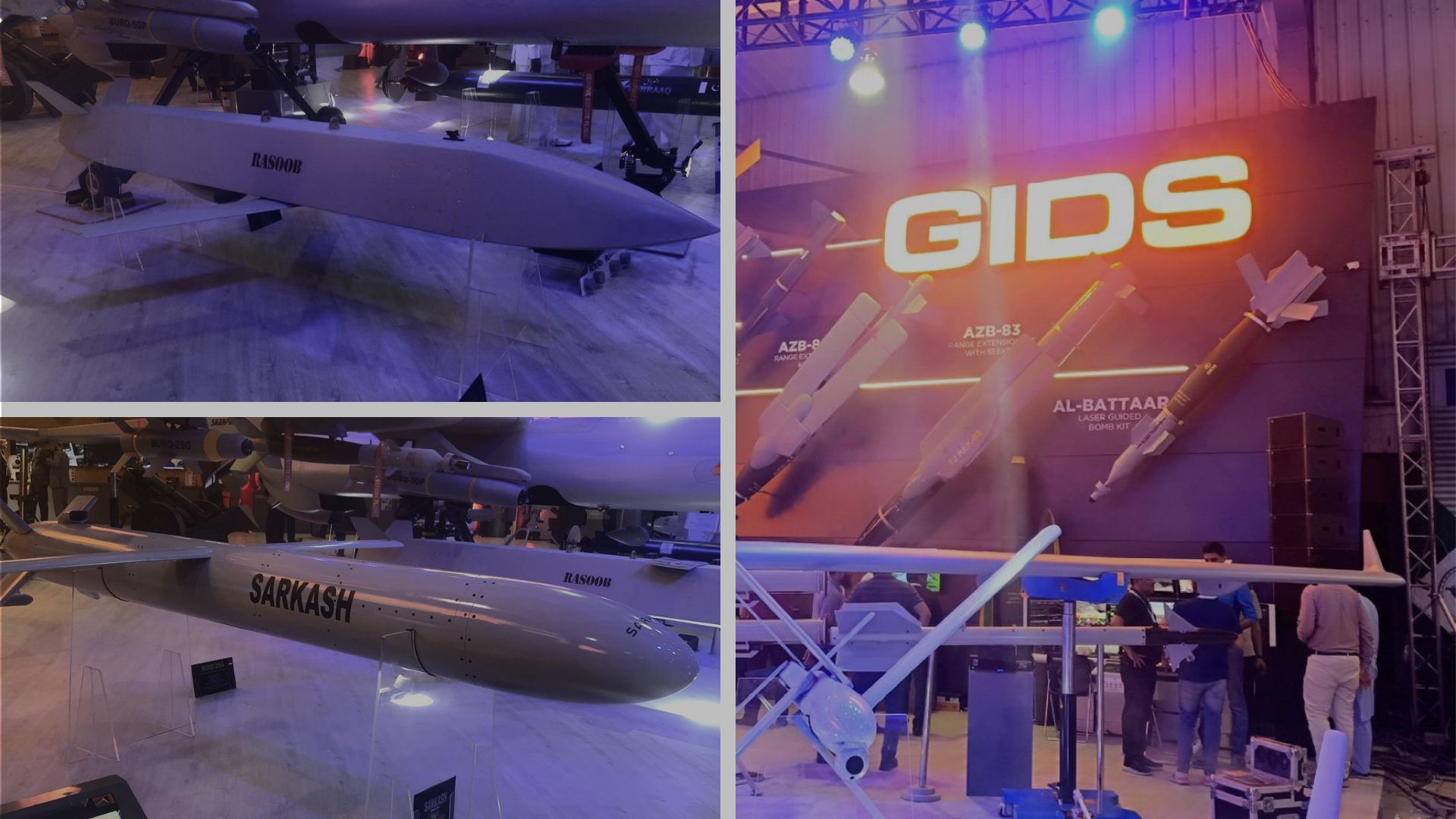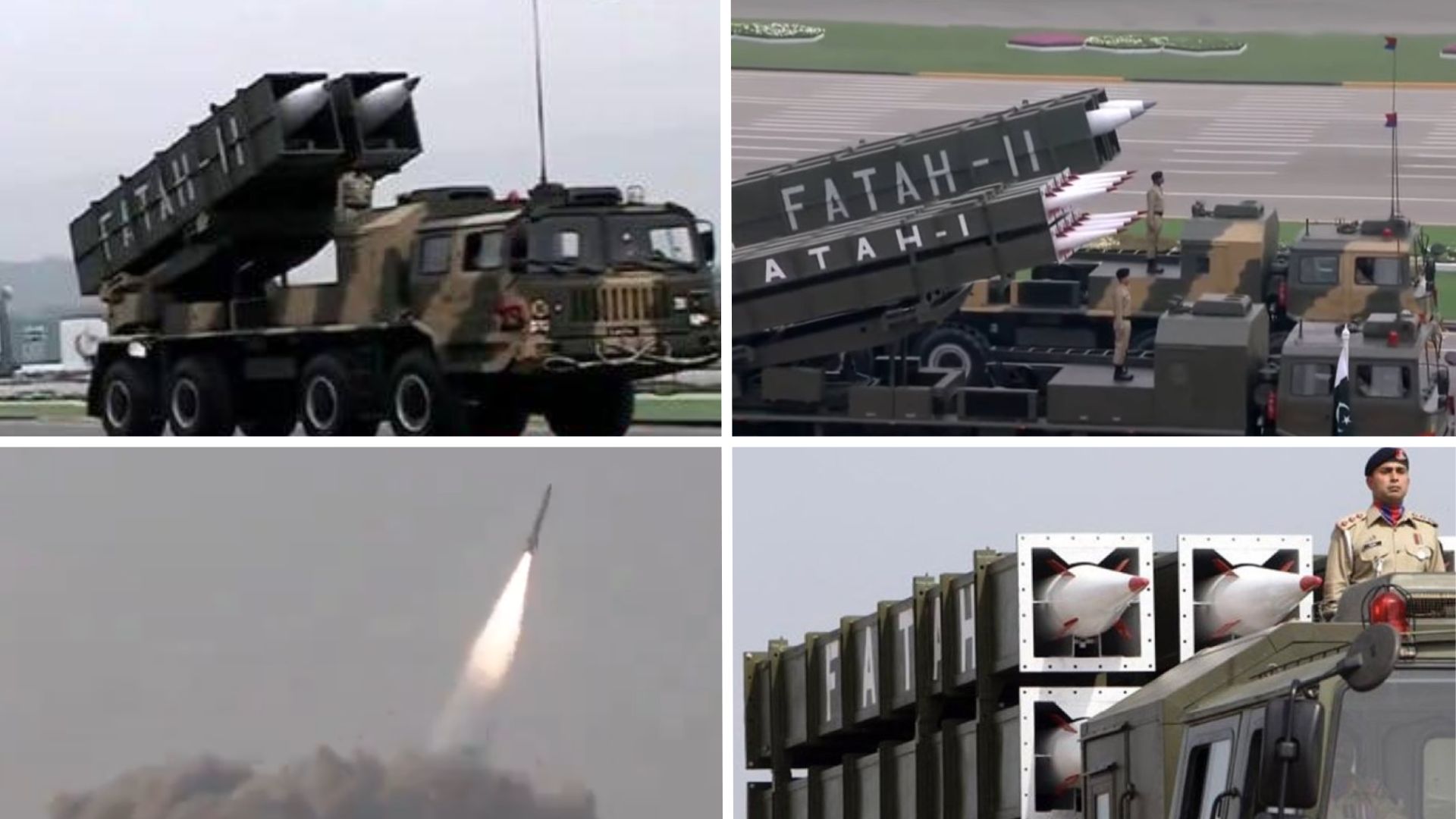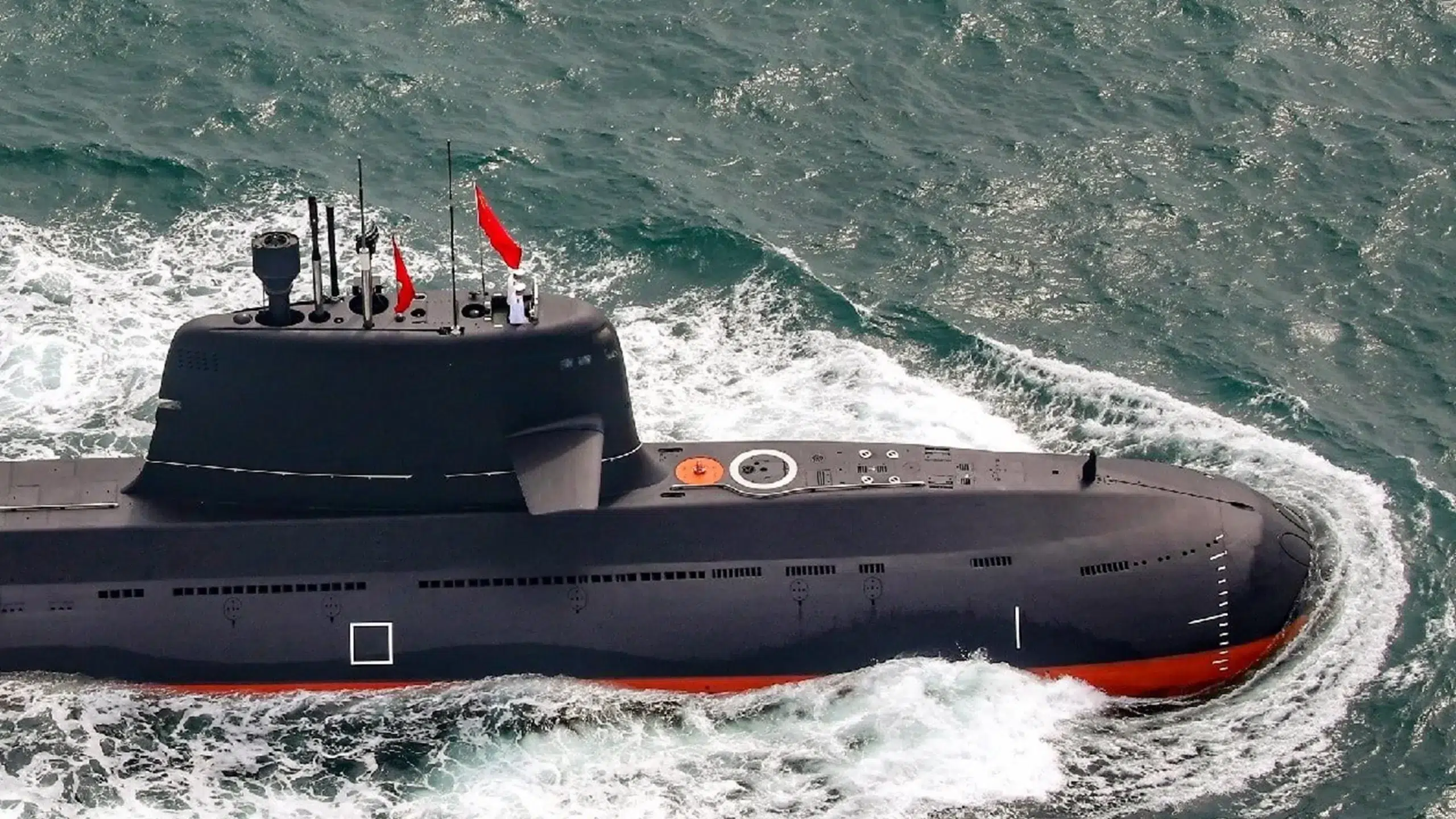
This week’s Quwa Premium article is a recap of some defence news items from around the world. Besides a basic overview of the news, this article also offers short-form analysis of each issue.
Pakistan Showcases its New Military Equipment
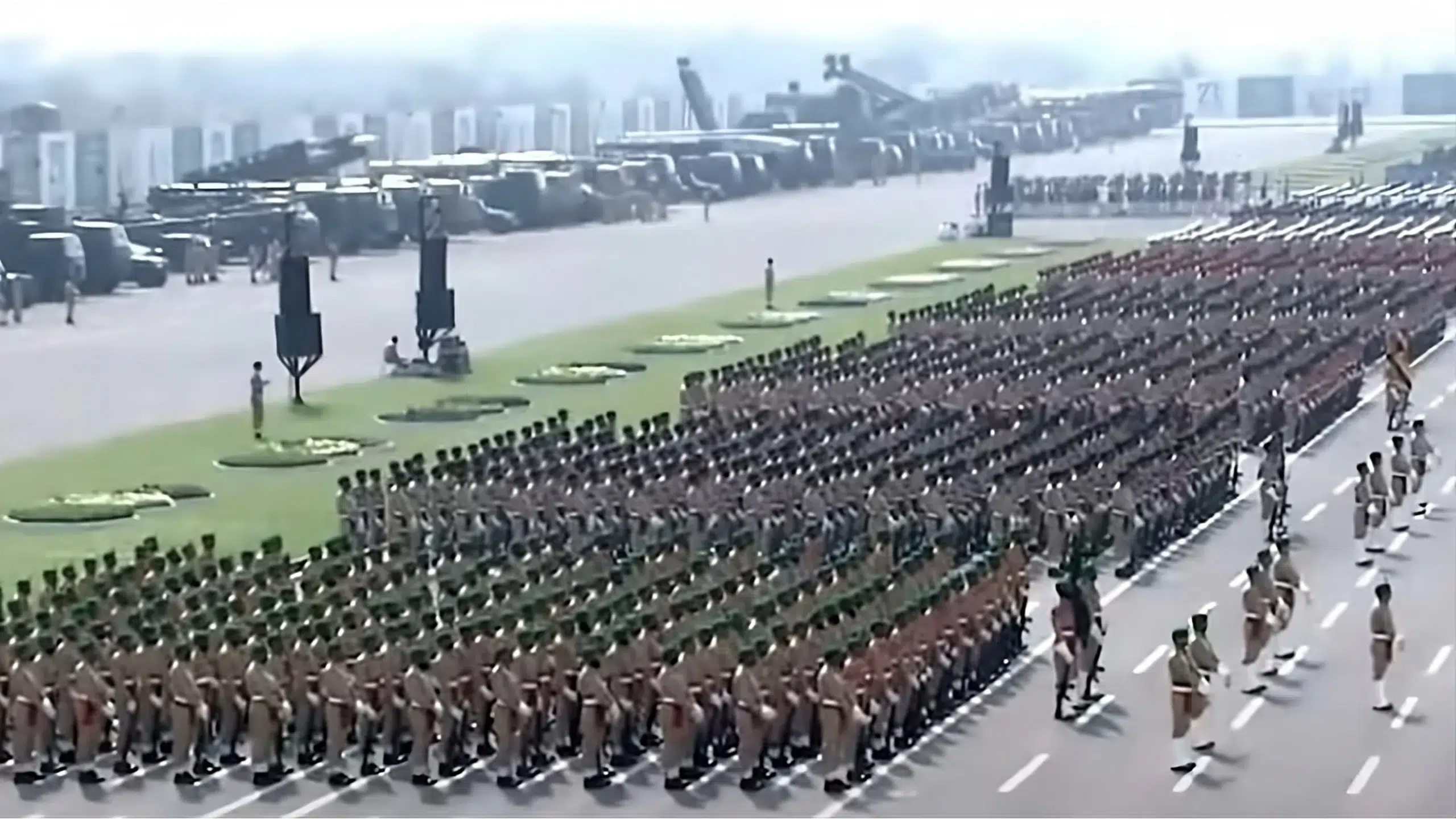
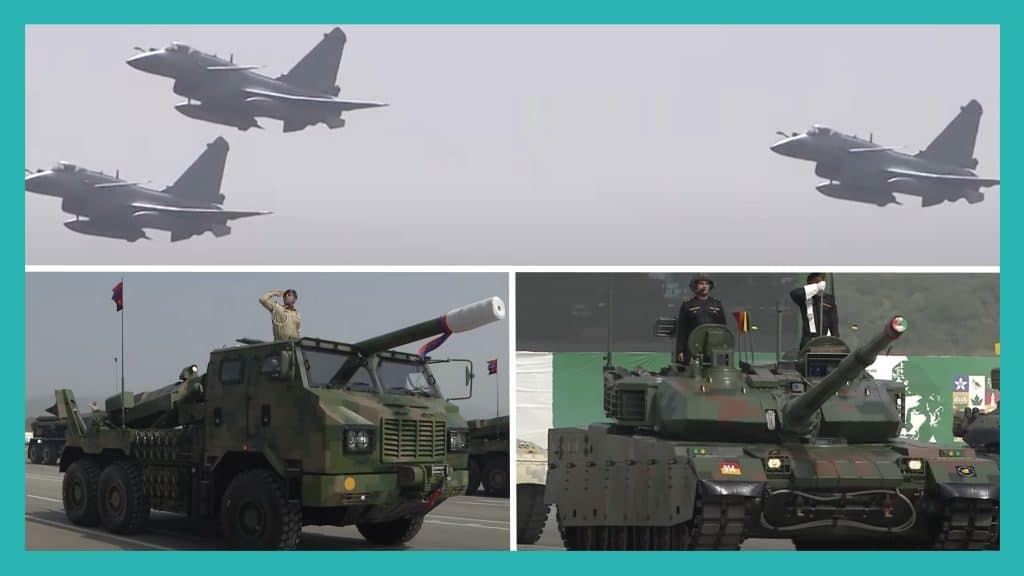
On 23 March 2022, Pakistan showcased its newly inducted hardware from China as part of its national day parade. The most notable of these new additions included the J-10CE ‘Dragon’ fighter aircraft, VT4 main battle tank (MBT), HQ-9/P long-range surface-to-air missile (SAM) system, SH-15 self-propelled howitzer (SPH), and YLC-18A multi-mission radar. This is on top of previously acquired systems, such as the JF-17.
Overall, while the event reaffirmed Pakistan’s traditional reliance on Chinese equipment for its workhorse or mainstay equipment, it also established a new shift. Pakistan is now looking to China for new, cutting-edge systems too. The induction of the J-10CE clearly spoke to this shift when Pakistan’s Prime Minister, Imran Khan, drew a parallel between this new jet and the induction of the F-16 in 1983.
While a shortage of accessible Western options played a part, China’s far-reaching technology advances, especially in critical areas like gas turbines and electronics, is also driving Pakistan’s shift. China is perhaps the only other power (aside from the United States) that can design and product a modern fighter aircraft using only its own research and development (R&D) and industry base. Moreover, China’s industry as well as R&D bases are strong enough to drive the creation of next-generation fighter aircraft (NGFA).
Quwa Plus
Go Beyond the Headlines on Pakistan’s Defence and Security.
Quwa Plus gives you deeper reporting, briefings, and analysis on Pakistan’s defence programs, foreign policy, national security, and regional strategy. Follow the developments that matter to professionals, analysts, and serious readers tracking Pakistan’s security landscape.
Join ($29.99/Year) Already a subscriber?Sign in