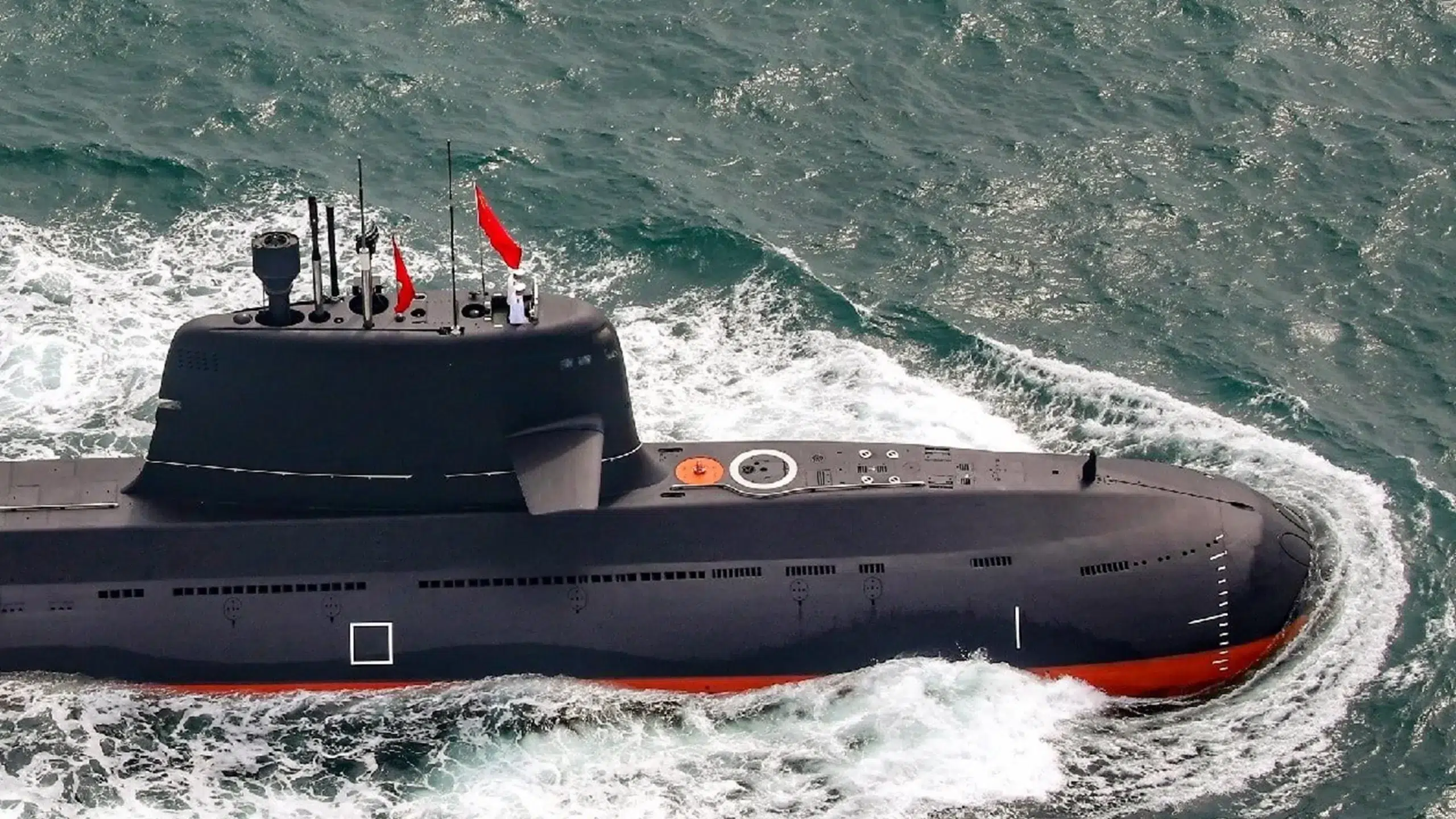


In 2015, Pakistan’s announcement about procuring eight new air-independent propulsion (AIP)-powered submarines from China kicked-off the Pakistan Navy’s (PN) modernization efforts.
Initially, it had appeared that the new submarines – designated the Hangor-class – would form the entirety of the PN’s big-ticket procurement, largely due to the fact that Pakistan is fiscally constrained and that the PN typically does not receive as much in procurement funding compared to the Army or Air Force.
However, while the PN added large surface ships to its procurement pipeline, there is little doubt that its new Hangor-class submarines will, ultimately, have the greatest impact in South Asia’s maritime domain.
As discussed in previous Quwa articles, this is due to the fact that the Hangor-class will likely (1) carry the PN’s strategic deterrence element through submarine-launched cruise missiles (SLCM), (2) offer credible anti-ship warfare (AShW) and anti-submarine warfare (ASW) capabilities, and (3) leverage both numbers and low detectability to serve as a threatening anti-access and area-denial (A2/AD) asset.
Supporting the Hangor-class submarines, the PN’s existing three Khalid-class (Agosta 90B) AIP submarines will have undergone major upgrades by 2028. In sum, the PN would have 11 AIP-powered submarines as well as, potentially, a submarine rescue and salvaging vessel by 2028.
Quwa Plus
Go Beyond the Headlines on Pakistan’s Defence and Security.
Quwa Plus gives you deeper reporting, briefings, and analysis on Pakistan’s defence programs, foreign policy, national security, and regional strategy. Follow the developments that matter to professionals, analysts, and serious readers tracking Pakistan’s security landscape.
Join ($29.99/Year) Already a subscriber?Sign in