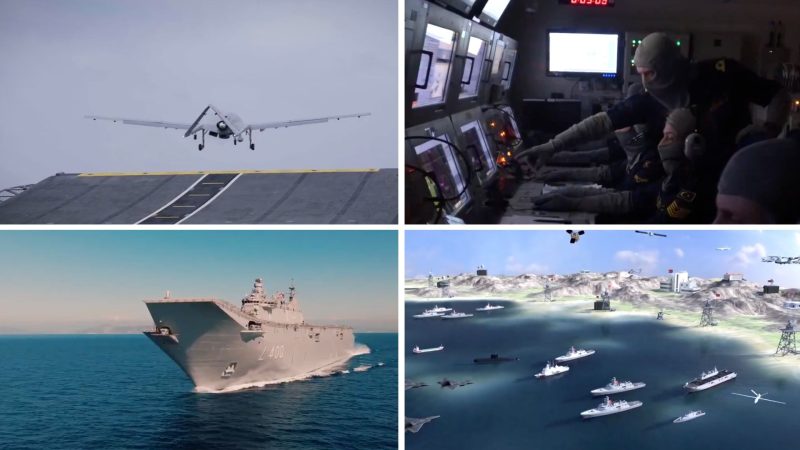
In early December, Türkiye’s Presidency of Defence Industries (SSB) announced that defence and aerospace exports had reached USD 7.45 billion by the end of 2025, already surpassing the 2024 full-year record of USD 7.2 billion.
“With this momentum, our sector broke a new record,” declared SSB President Haluk Görgün. “Our export figures, achieved in just 11 months, surpassed all-time annual figures.”
The trajectory is remarkable: exports grew at an average annual rate of nearly 30 percent between 2020 and 2025, representing more than a 250% increase from $2.28 billion in 2020.
Days later, South Korea fulfilled a $6.5 billion contract for 180 K2 Black Panther main battle tanks (MBT) with Poland – the largest single defence export in Korean history.
South Korea now ranks as the world’s tenth-largest arms exporter, targeting the top four by 2027. Türkiye rose to eleventh globally, with five companies now in SIPRI’s Top 100 arms producers, whose combined revenues exceed $10 billion.
These headlines reflect a more significant shift.
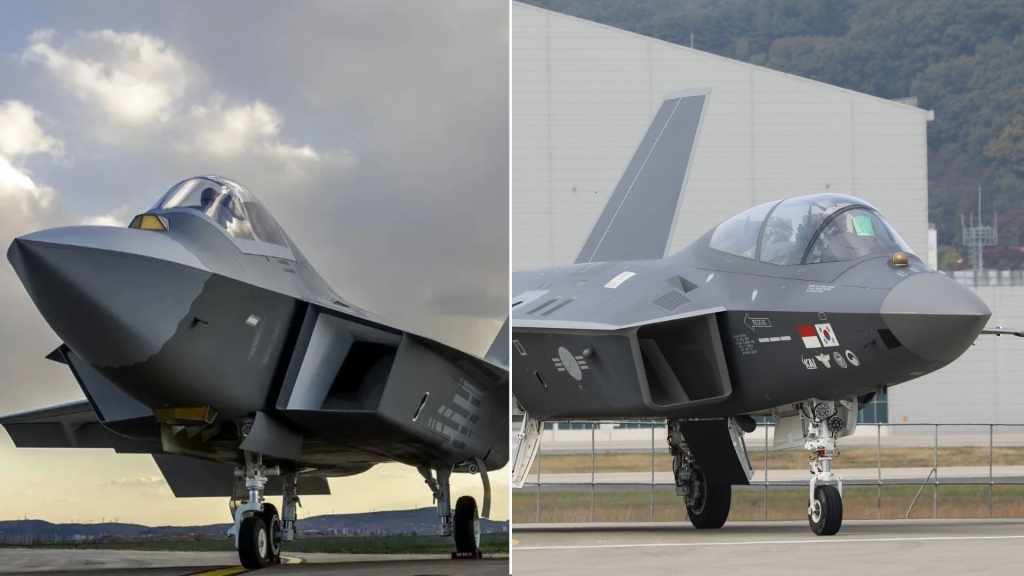
Both Türkiye and South Korea have moved from near-total dependence on American weapons to becoming major exporters, capturing NATO and key non-NATO markets alike.
However, export figures alone obscure the more important question: what do these billions actually mean?
So, for example, when Türkiye reports record exports, how much economic value stays in the Turkish economy? When South Korea sells tanks, is Seoul capturing high-value manufacturing or assembling imported components?
And crucially, for this article, why have Türkiye and South Korea succeeded where others, including Pakistan, remain trapped in dependency?
Don't Stop Here. Unlock the Rest of this Analysis Immediately
To read the rest of this deep dive -- including the honest assessments and comparative analyses that Quwa Plus members rely on -- you need access.