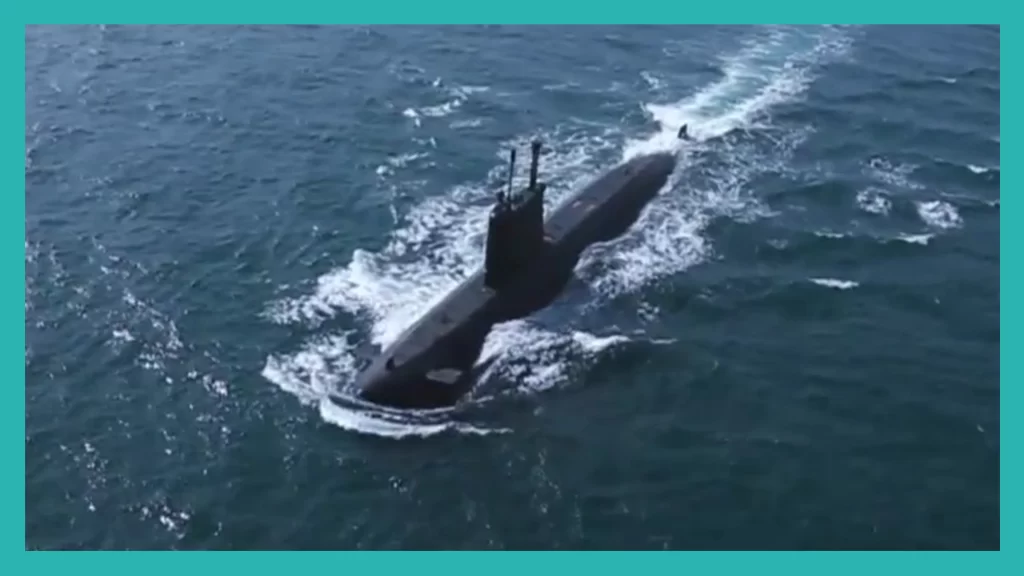
In a way, an original submarine program would be more important than any of the surface vWith a vision of a 50-ship fleet with over 20 “major surface vessels,” like frigates, one might assume that the Pakistan Navy (PN) is building towards a traditional naval set-up.
However, while it has a notably larger requirement for surface vessels, the actual future of its naval edge still rests in its submarine development, i.e., its “silent service.”
The nature of the “silent service” is that its programs are opaquer.
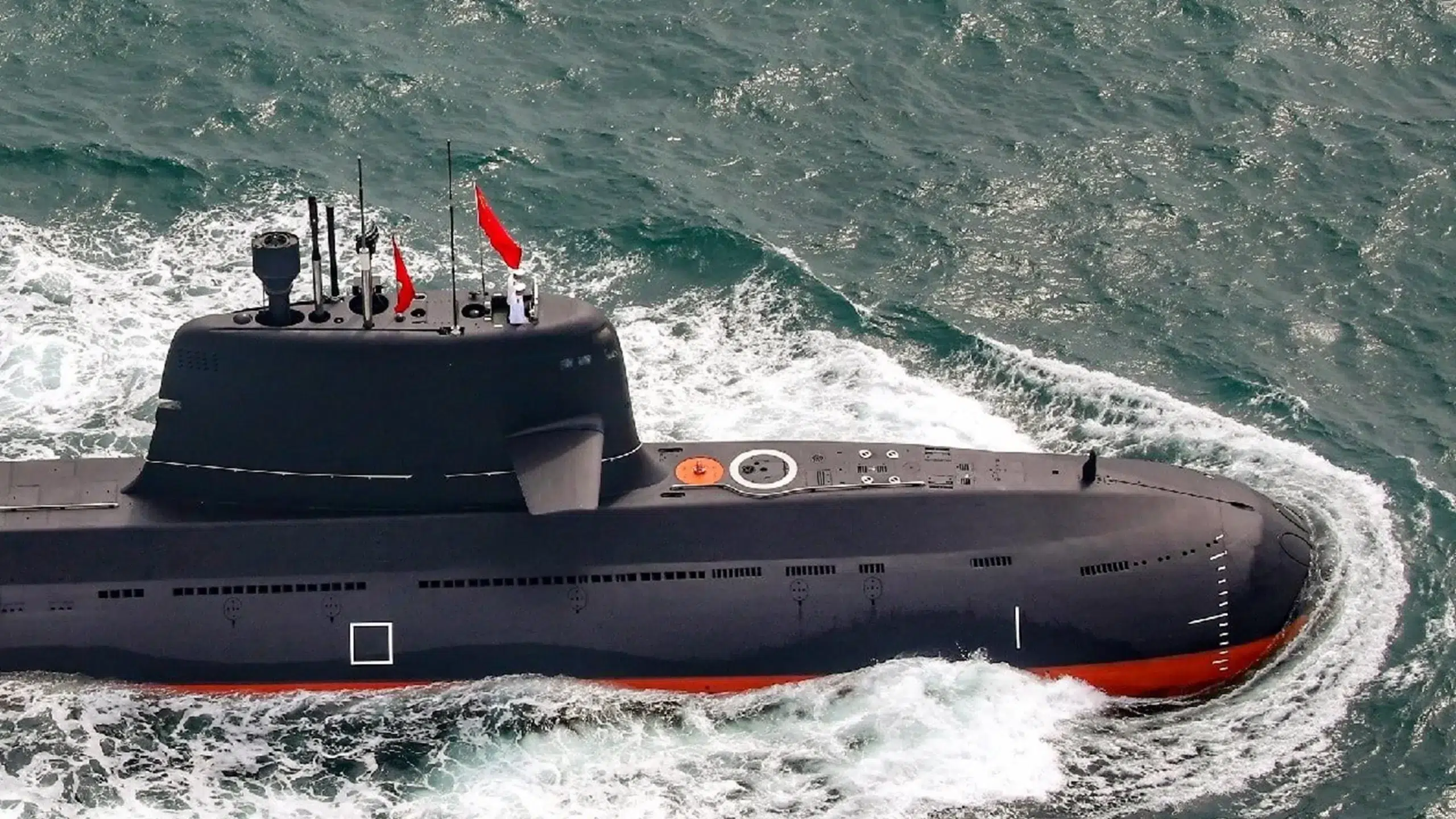
For example, the Hangor-class submarine, is certainly active. In fact, Karachi Shipyards and Engineering Works (KSEW) laid the keel of the fifth Hangor-class submarine (PNS Tasnim) and cut the steel of the sixth boat towards the end of December 2022.
However, the PN has been reluctant to release other details, like the status of the first four boats (other than previously stating that all eight Hangor-class submarines will come by 2028).
The Hangor program had seemingly hit an obstacle several years ago when Germany refused to release export licenses for MTU diesel engines. In April 2022, Pakistan’s previous Chief of Army Staff, Gen. Qamar Javed Bajwa publicly stated that the Hangor-class submarine was to use German engines, but the PN was unable to secure the export licenses from Berlin.
Quwa Plus
Go Beyond the Headlines on Pakistan’s Defence and Security.
Quwa Plus gives you deeper reporting, briefings, and analysis on Pakistan’s defence programs, foreign policy, national security, and regional strategy. Follow the developments that matter to professionals, analysts, and serious readers tracking Pakistan’s security landscape.