Author Profile: Syed Aseem Ul Islam is PhD candidate at the University of Michigan, Ann Arbor, USA, specializing in adaptive and model-predictive flight control systems. He received his bachelor’s degree in aerospace engineering from the Institute of Space Technology, Islamabad, and his master’s degree in flight dynamics and control from the University of Michigan.
The importance of unmanned aerial vehicles (UAVs) in the modern battlespace is widely recognized in our times. With the success that UAVs have had in military operations in Libya and Syria, the importance of UAVs has become abundantly clear to today’s planners.
Pakistan is no exception. Pakistani defence planners have had the foresight to start substantive UAV programs in the late 2000s, the fruits of which are apparent today.
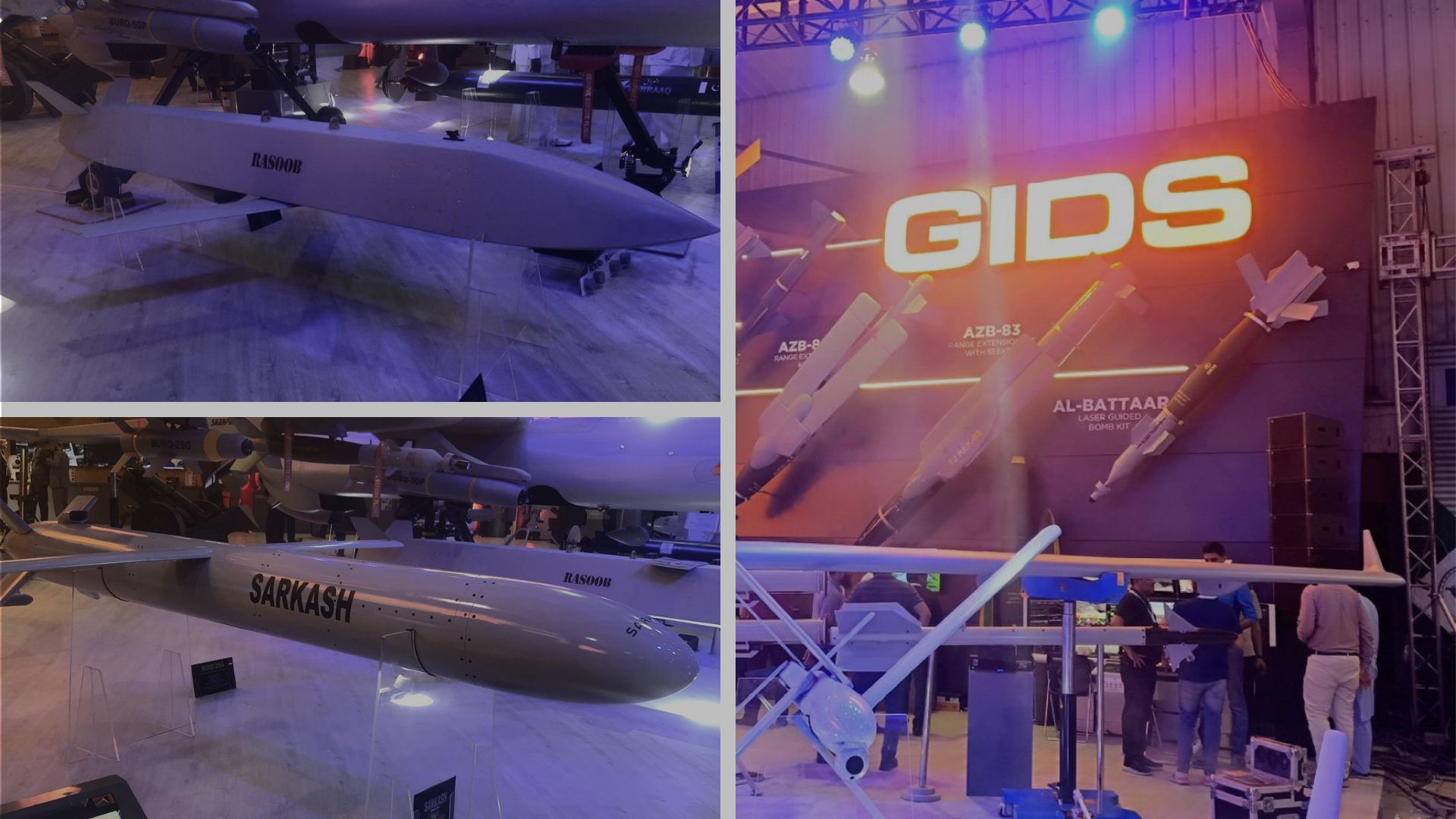
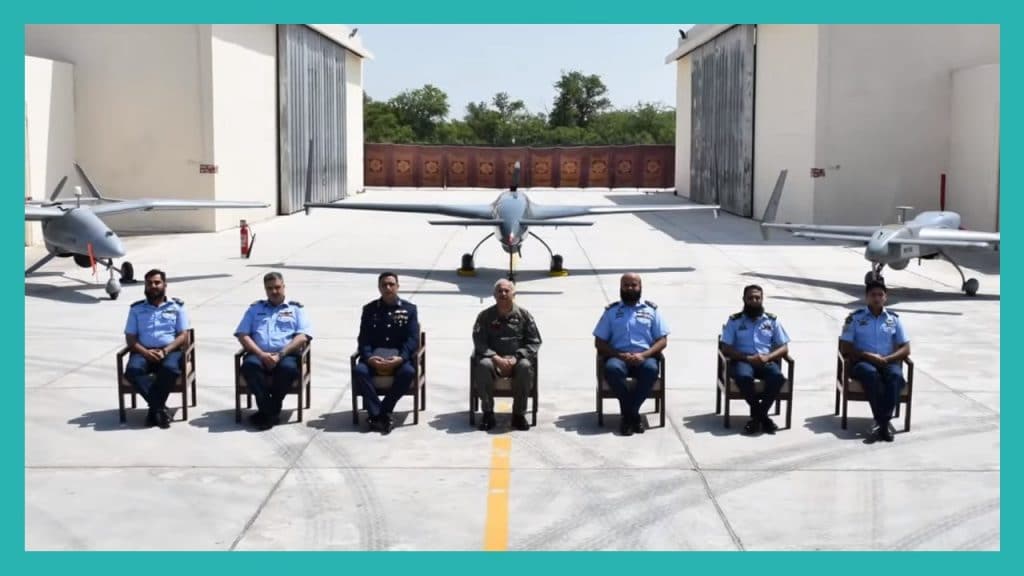
This article will detail the development of Pakistan’s UAV program, i.e., the roles it played thus far, and what roles it could play in the future. However, due to the secretive nature of these programs, some portions of this article are limited to educated inferences, and not conclusive facts.
To appreciate the importance of UAVs, we must analyze the numerous roles UAVs could assume for each of Pakistan’s service arms. The most important of these is intelligence, surveillance, and reconnaissance (ISR). UAVs are especially suited to ISR roles as they can autonomously loiter over areas for extended time-periods, and with minimal exposure to detection (mainly due to their relatively small sizes).
Another important role for UAVs is target designation through lasers (or ‘lazing’). Before the widespread use of UAVs, militaries had lazed targets using specially-trained infantry on the ground (e.g., Joint Terminal Attack Controllers or JTAC), targeting pods onboard aircraft armed with laser-guided bombs (LGB), or via a dedicated targeting aircraft that had to remain on station till the time the target was hit.
Quwa Plus
Go Beyond the Headlines on Pakistan’s Defence and Security.
Quwa Plus gives you deeper reporting, briefings, and analysis on Pakistan’s defence programs, foreign policy, national security, and regional strategy. Follow the developments that matter to professionals, analysts, and serious readers tracking Pakistan’s security landscape.