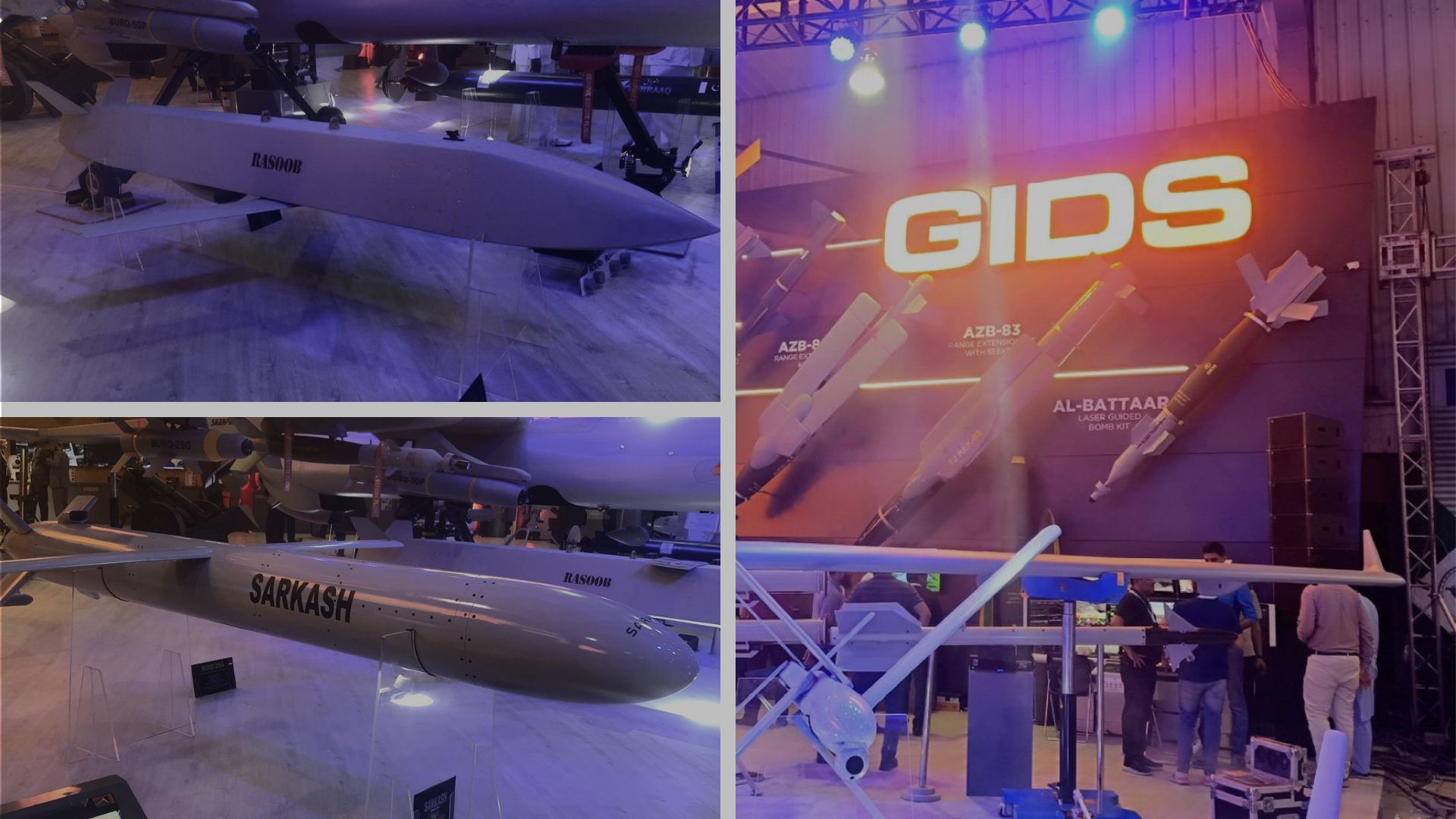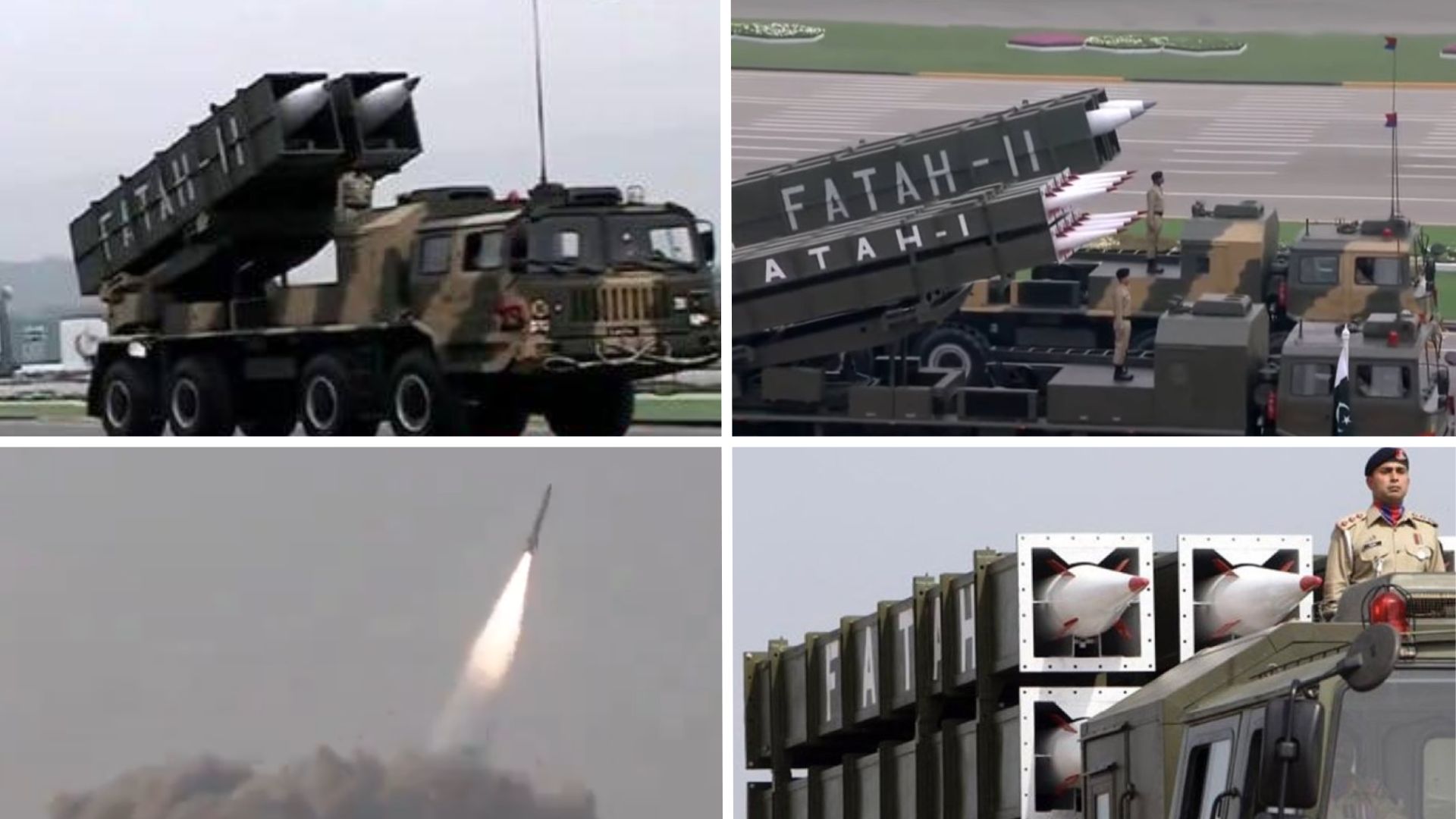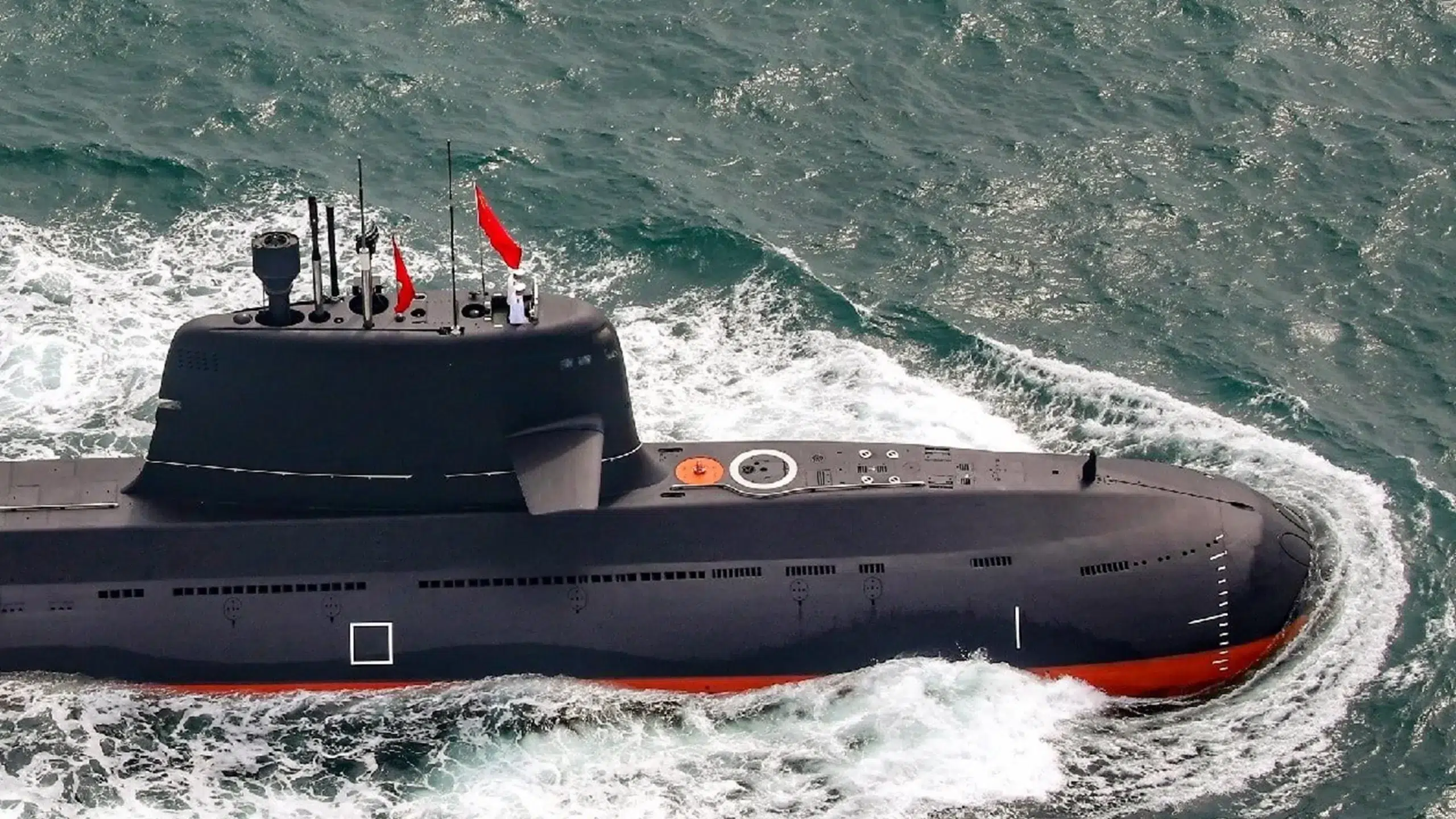
In its 2017-2018 disclosure, Pakistan’s Ministry of Defence Production (MoDP) stated that the Directorate General of Munitions Production (DGMP) signed-off on the development of a supersonic missile for the Pakistan Navy (PN). It is likely that the PN’s goal is to acquire a capability analogous to India’s BrahMos – i.e., a supersonic-cruising dual anti-ship cruise missile (ASCM) and land-attack cruise missile (LACM).
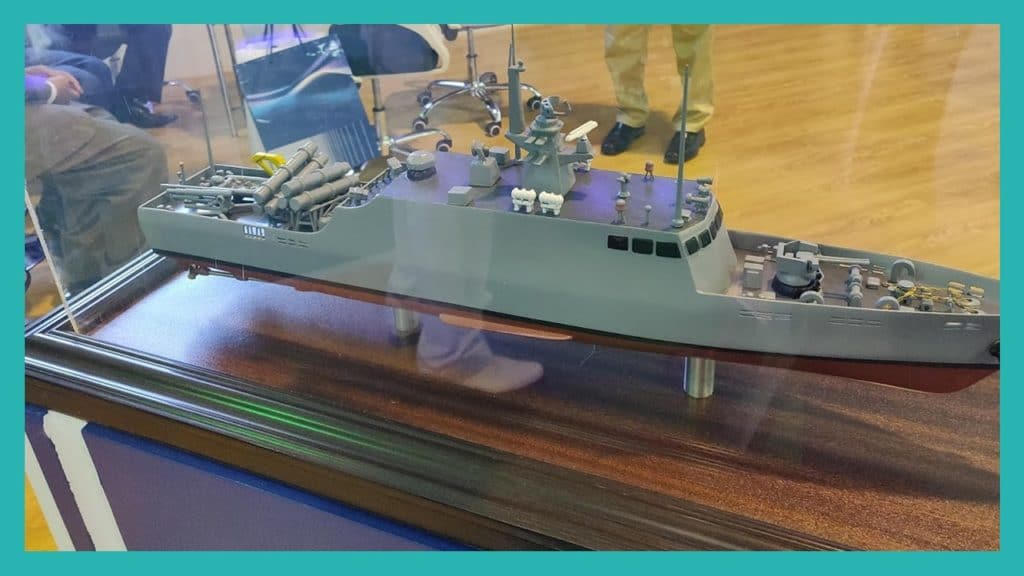
But while one can expect the PN to configure its larger ships – such as the forthcoming Type 054A/P frigate and Jinnah-class corvette/light frigate – with the supersonic missile, the optimal scenario would be to also arm smaller launch platforms. For the PN, this would mean its fast attack craft (FAC), such as the Azmat-class, but it should also include the Pakistan Air Force’s (PAF) burgeoning JF-17 fleet as well.
The rationale is, simply, to equip as many individual launch platforms with effective stand-off range attack capabilities as possible, especially those platforms that are available in large quantities. In the naval and air combat domains, this would basically be the PN’s FACs and the PAF’s JF-17s.
The benefit of this approach is that it helps Pakistan distribute its stand-off range attack capabilities across a large number of assets. The loss or even downtime of one (for maintenance, repairs, etc) does not lessen Pakistan’s anti-access and area-denial (A2/AD) capability within its exclusive economic zone (EEZ) and sea-lines-of-communication (SLOC). It also makes weakening the A2/AD threshold difficult because there are a large number of potential threats involved, i.e., attempting control will likely result in severe losses.
The Benefits of a Naval Supersonic Cruise Missile
Quwa Plus
Go Beyond the Headlines on Pakistan’s Defence and Security.
Quwa Plus gives you deeper reporting, briefings, and analysis on Pakistan’s defence programs, foreign policy, national security, and regional strategy. Follow the developments that matter to professionals, analysts, and serious readers tracking Pakistan’s security landscape.
Join ($29.99/Year) Already a subscriber?Sign in