
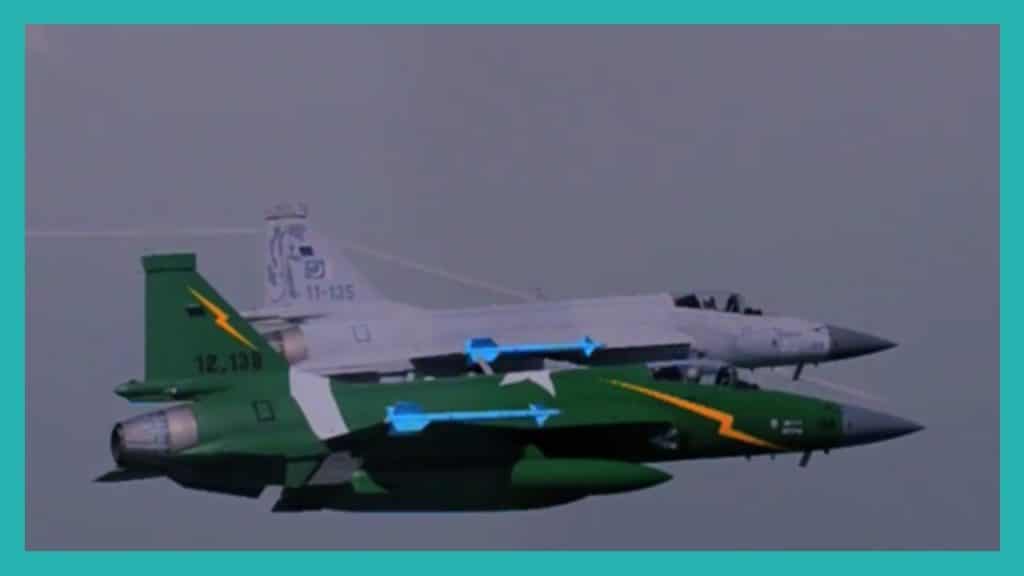
Having won sales in Nigeria and Myanmar, the Aviation Industry Corporation of China (AVIC) and Pakistan Aeronautical Complex (PAC) are looking to secure new contracts for the JF-17 in Malaysia and Argentina.
In total, the sales prospects could amount to 30 aircraft (i.e., 18 for Malaysia and 12 for Argentina). Though small in scope, these contracts could result in follow-on orders in the future. In addition, PAC will benefit from maintenance, training, and other support contracts through the life of those aircraft.
However, the Pakistan Air Force (PAF) is also looking to take the JF-17 to a potentially wider market as a lead-in-fighter-training (LIFT) system. In fact, the PAF is pitching the JF-17 as a LIFT asset to Qatar.
Malaysia
Malaysia started its search for a new light combat aircraft in 2019. It is looking to replace its BAE Systems Hawk and Aeromacchi MB339 trainers as well as its MiG-29 fighters. The Royal Malaysian Air Force (RMAF) is seeking a multi-role asset that can also double as a LIFT. With an initial order of 18 aircraft, the winning contractor could secure follow-on orders for a total of 50 to 60 aircraft.
However, the JF-17 is competing against the Korea Aerospace Industries (KAI) FA-50 Golden Eagle. KAI has been positioning the FA-50 as a similar solution to the JF-17 – i.e., a lightweight combat aircraft that could double as a LIFT. In that respect, KAI is working to integrate the FA-50 with a range of air-to-air and air-to-surface weapons. There had even been talk of integrating the KEPD-350 air-launched cruise missile.
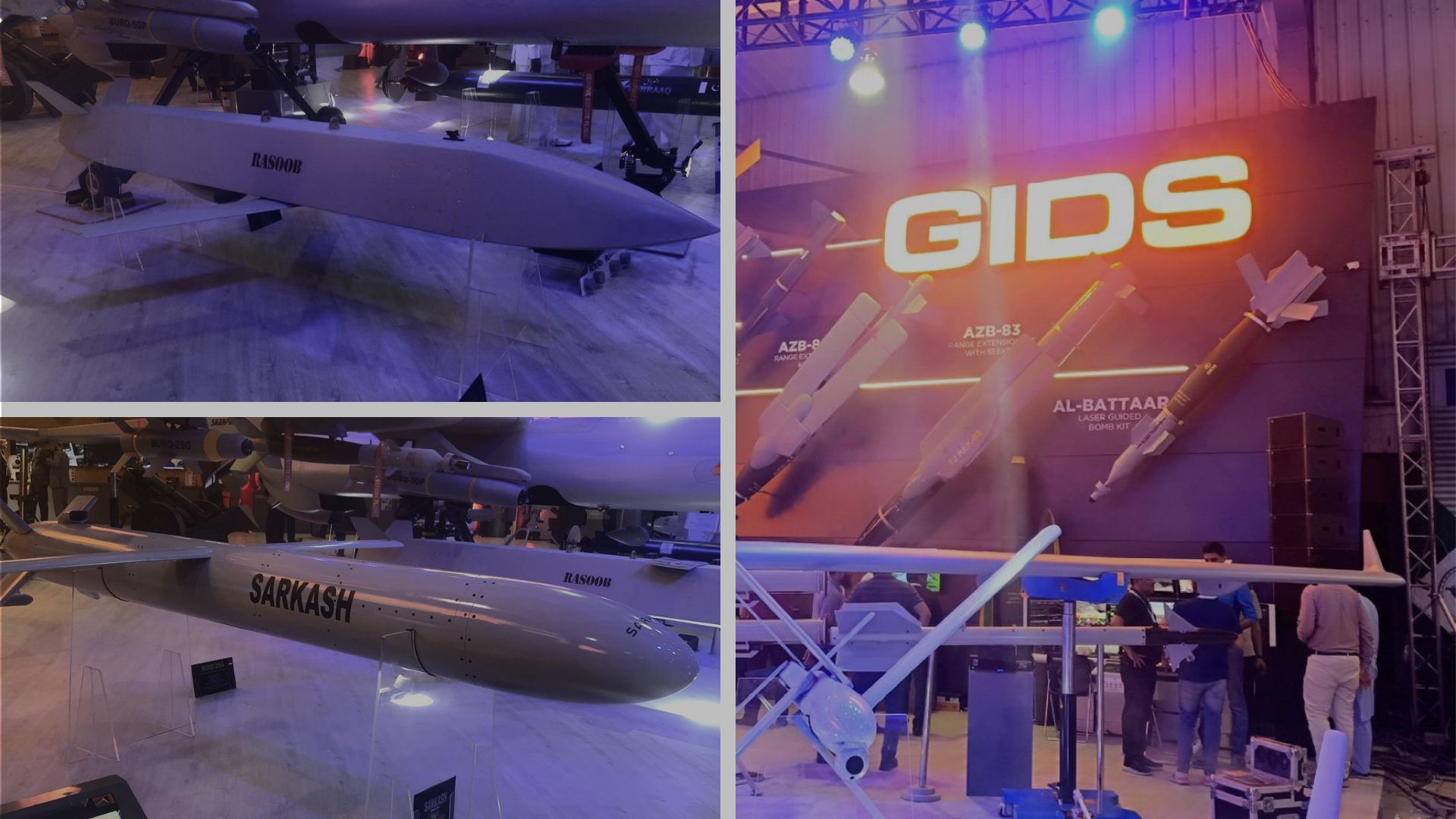
The JF-17, on the other hand, is also available with modern air-to-air missiles (AAM), including the SD-10 and PL-5EII. But one area where AVIC and PAC could claim an edge over the FA-50 is the JF-17’s growing compatibility with stand-off-range weapons (SOW). The JF-17 is available with the C-802 anti-ship cruising missile (ASCM), Indigenous Range Extension Kit (IREK), and CM-400AKG air-launched rocket.
Quwa Plus
Go Beyond the Headlines on Pakistan’s Defence and Security.
Quwa Plus gives you deeper reporting, briefings, and analysis on Pakistan’s defence programs, foreign policy, national security, and regional strategy. Follow the developments that matter to professionals, analysts, and serious readers tracking Pakistan’s security landscape.