Introduction
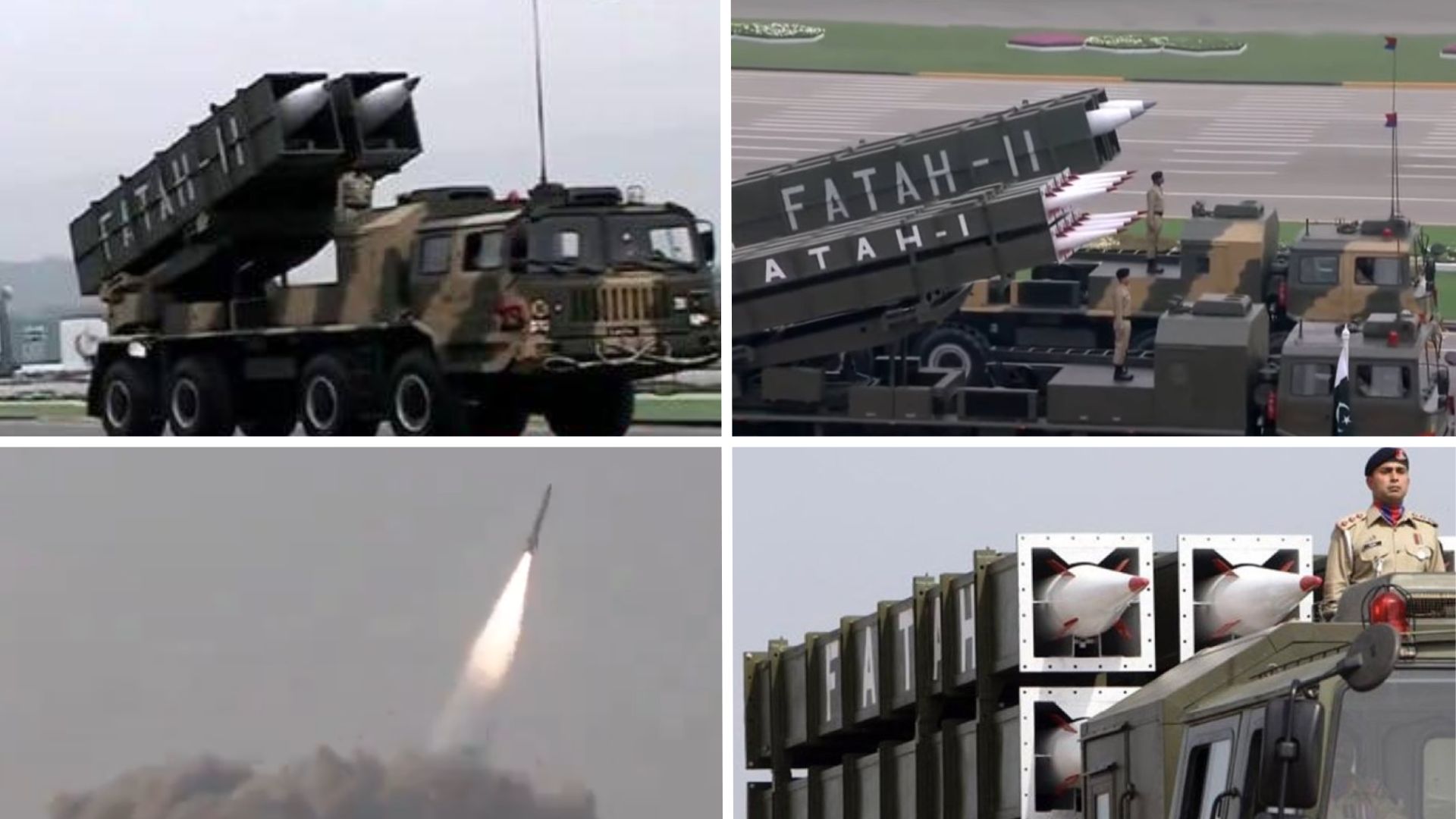
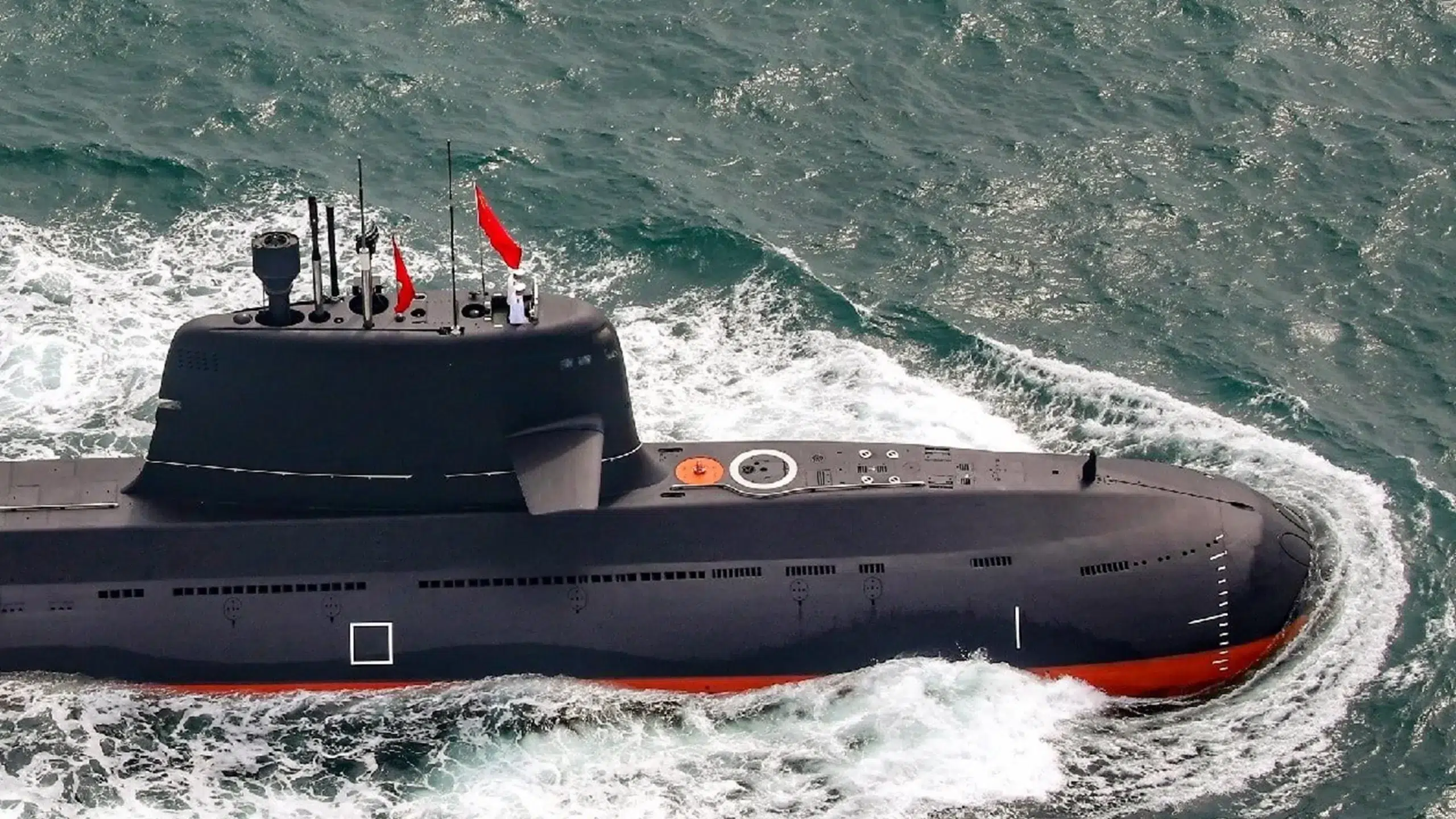
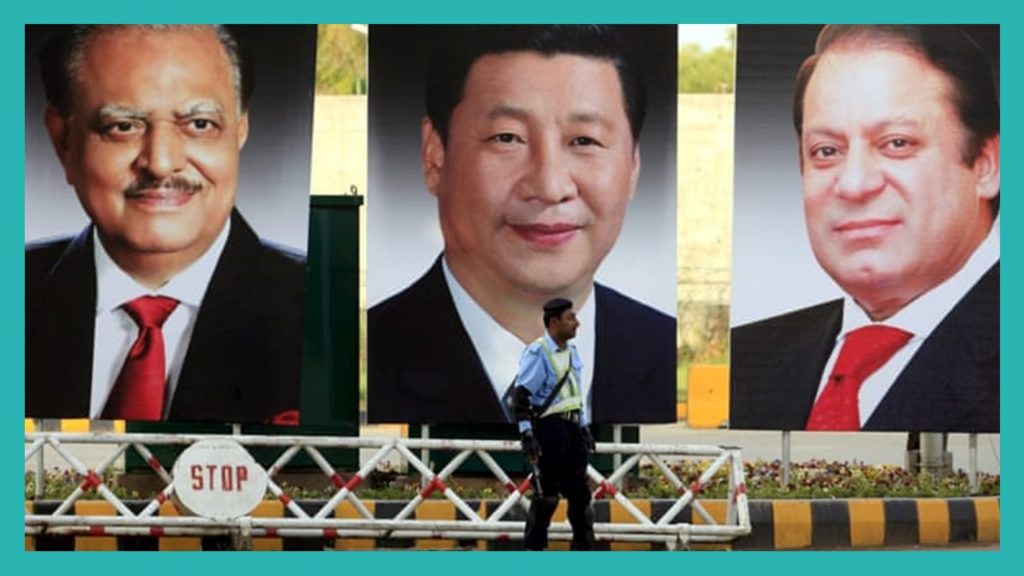
China is a marquee element in Pakistan’s foreign relations landscape since the 1960s, having resulted in a spate of big-ticket defence procurement and, since 2015, significant economic interaction via the China-Pakistan Economic Corridor (CPEC). However, with an apparent – but ultimately, unlikely – contraction of US-Pakistani political and defence ties, there is an overt sense on the part of some pundits that Pakistan could ‘pivot’ to China or that China would enter to fill the void. China certainly has an incentive – CPEC amounts to over $50 billion US in Chinese expenditure (through investments and loans) that needs to be protected. In 2013, Pakistan’s then Prime Minister Nawaz Sharif had described Chinese-Pakistani relations as being “higher than the Himalayas … and sweeter than honey.”[1]
There is no doubt that the bilateral relationship is important to both Pakistan and China, however, it would be wrong to extend that to the notion of an alliance, pact or a relationship akin to the one the US and Pakistan currently maintain. In reality, ‘allies’ and ‘partners’ are different, and at this stage Pakistan might realize that ‘partnerships’ through strong bilateral relations are better than ‘alliances’.
Understanding ‘Alliances’
The term ‘ally’ is used loosely and, occasionally, is used synonymously to describe countries with strong bilateral relations. However, alliances are not necessarily strong bilateral or multi-lateral ties between states, though they can emerge from such times. However, an alliance is fundamentally different in that at its core it is a sharing of resources: specifically, it is the transfer of funding, military services and other benefits (e.g. intelligence) from one country to another country.
The US is the leading example of a state that has fostered strong alliances, most notably the Treater of Mutual Cooperation and Security with the Japanese, North Atlantic Treaty Organization (NATO) with Europe and the Mutual Defence Treaty with South Korea. The outcome of these alliances sees the US raise bases and station important military assets in other countries, which – in the prospect of a conflict – could see those assets protect and support US allies from a shared threat. In alliances, countries put themselves at-risk of an attack and, in turn, the loss of human and material losses. This ‘trade’ can be reciprocal (i.e. providing gains for comparable powers), supplementary (e.g. countries bridging each other’s deficiencies) or one-sided (e.g. the US providing cover to a lesser power against a larger threat).
Alliances between states do not necessitate partnerships (and vice-versa). For example, by way of its NATO membership, Germany is allies with many countries, such as Greece, Romania and others. However, Germany does not maintain particularly strong bilateral ties with any of those countries. Rather, Berlin was quite strict with Athens during the European debt crisis, requiring the latter to implement strong fiscal austerity measures. Likewise, relations between Germany and Turkey have alternated between tenuous and productive, despite the two also being NATO allies. However, the US’ alliances with Canada, Australia, South Korea and Japan are also augmented by strong bilateral relations between the US and those states.
Quwa Plus
Go Beyond the Headlines on Pakistan’s Defence and Security.
Quwa Plus gives you deeper reporting, briefings, and analysis on Pakistan’s defence programs, foreign policy, national security, and regional strategy. Follow the developments that matter to professionals, analysts, and serious readers tracking Pakistan’s security landscape.
Join ($29.99/Year) Already a subscriber?Sign in