In mid-June, Lt. General Juan Martín Paleo, the Chief of the Joint Chiefs of Staff of the Argentinian Armed Forces, paid an official visit to Islamabad, Pakistan.
While Lt. Gen. Paleo’s visit was to encourage Argentinian-Pakistani defence ties in the general sense, his visit initiated a wider a discussion about Argentina’s new fighter requirement.
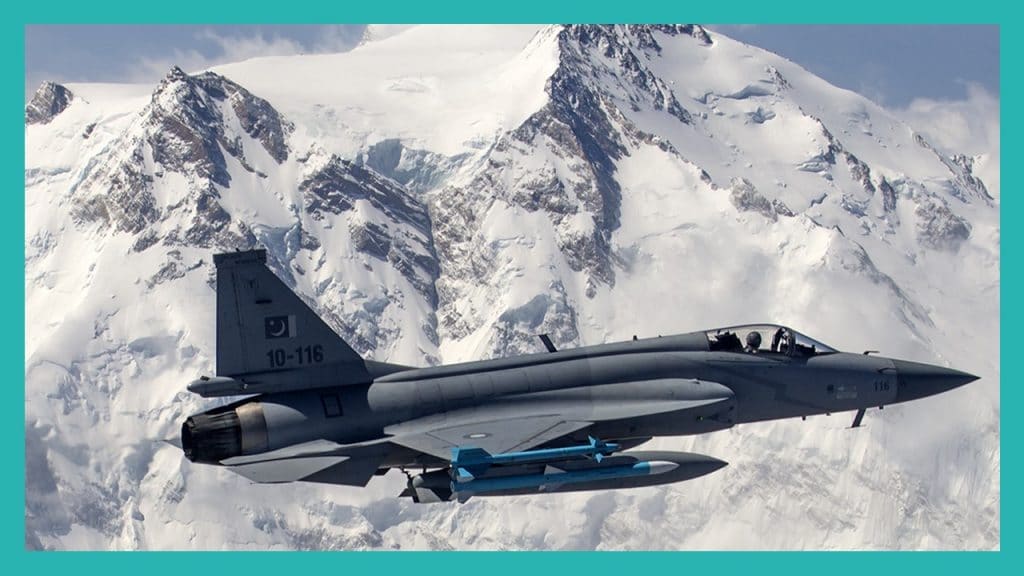
Towards the end of 2020, the Argentine Air Force’s Chief of Staff, Brigadier Xavier Isaac, had revealed that the country will consider the JF-17 Thunder. Since then, Argentinian officials assessed the JF-17 and spoke to both Pakistani and Chinese officials on various matters tied to a potential deal.
Moreover, the Argentine government allocated $664 million US in funding for the purchase of 12 modern fighters in its draft budget for fiscal year (FY) 2022.
However, despite seemingly positive signs towards an Argentine JF-17 order, it is unclear if Argentina will ultimately order these aircraft. Besides the country’s now perennial difficulties with committing to a new fighter order, Argentina must weigh the JF-17’s technical gains with its potential geo-political blowbacks.
Replacing an Aging Fleet
Today, the Argentine Air Force reportedly flies six Lockheed Martin A-4AR ‘Fightinghawk’ fighters. This is a steep fall from the original fleet of 36 A-4ARs. Prior to the A-4AR, Argentina had Dassault Mirage IIIs and Mirage 5s, Israel Aerospace Industries (IAI) Neshers, and Douglas A-4 Skyhawks. By the 1970s and 1980s, Argentina had one of the largest air warfare capabilities in Latin America.
Quwa Plus
Go Beyond the Headlines on Pakistan’s Defence and Security.
Quwa Plus gives you deeper reporting, briefings, and analysis on Pakistan’s defence programs, foreign policy, national security, and regional strategy. Follow the developments that matter to professionals, analysts, and serious readers tracking Pakistan’s security landscape.