
In 2019, a wave of countries have either started, or are interested in starting, ‘loyal wingman’ unmanned aerial vehicle (UAV) programs.
The basic idea of a loyal wingman UAV is to field a drone that could support manned aircraft in air-to-air and air-to-surface missions, especially in high-risk operational environments, such as dense surface-to-air missile (SAM) zones or against enemy aircraft with long-range air-to-air capabilities.
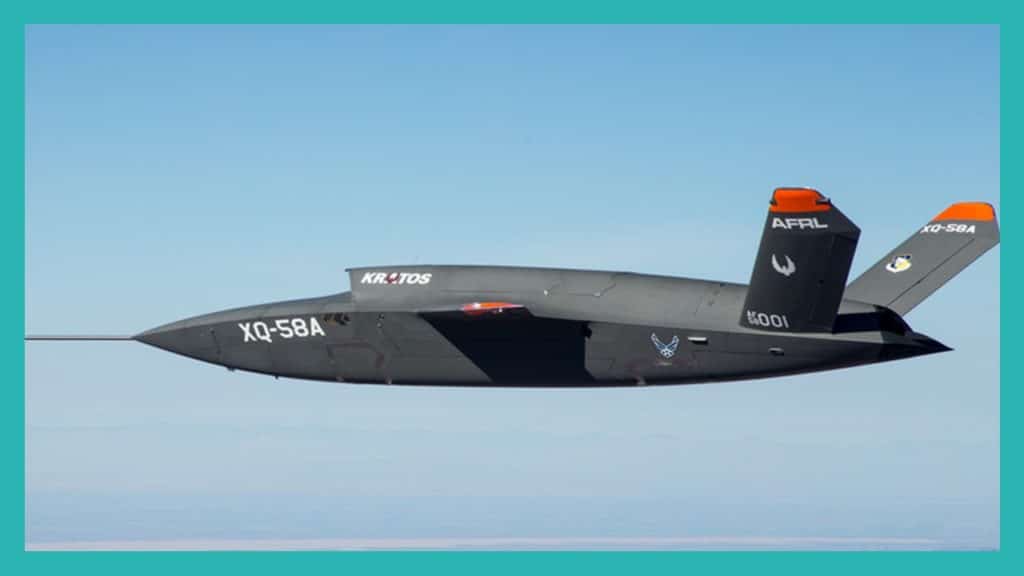
The most developed of these programs is Kratos Defence & Security Solutions’ XQ-58 Valkyrie, which first flew in March 2019 and is now undergoing tests as part of the U.S. Air Force’s (USAF) Low Cost Attritable Strike Demonstrator (LCASD) program.
Today, Australia, the UK, France and Germany, and China have each signaled an intent in form or another to develop their own analogous solutions to the LCASD. Others, such as South Africa, are now starting to entertain the idea as potential low-cost air warfare modernization effort.
This Quwa Premium article will explore how these countries are generally steering their respective loyal wingman UAV projects and, in turn, attempt to understand what Pakistan would require in order to gain its own loyal wingman UAV (especially in concert with its next-generation fighter program).
Intended Outcomes
The flight characteristics, performance, subsystems and other configuration factors will vary across loyal wingman models, but there are two overarching design elements in these UAVs. These elements are that they must effectively support manned aircraft, and second, they must be low in procurement cost.
Quwa Plus
Go Beyond the Headlines on Pakistan’s Defence and Security.
Quwa Plus gives you deeper reporting, briefings, and analysis on Pakistan’s defence programs, foreign policy, national security, and regional strategy. Follow the developments that matter to professionals, analysts, and serious readers tracking Pakistan’s security landscape.