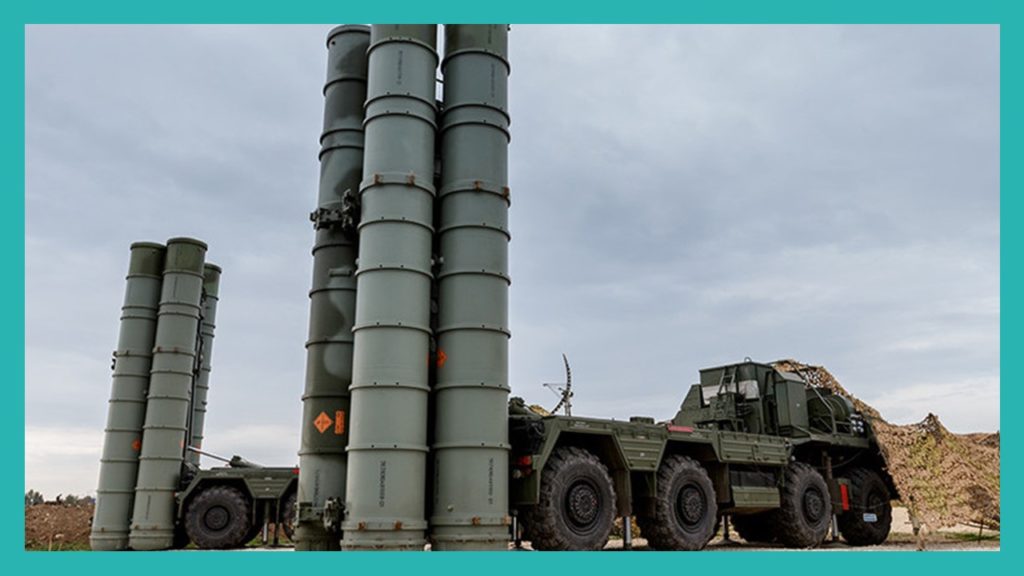
As examined in an earlier Quwa Premium article, India’s acquisition of the S-400 and its wider air defence modernization roadmap will make offensive operations more difficult for Pakistan. Basically, many of the advantages the Pakistan Air Force (PAF) had leveraged in Swift Retort will not be available in the future.
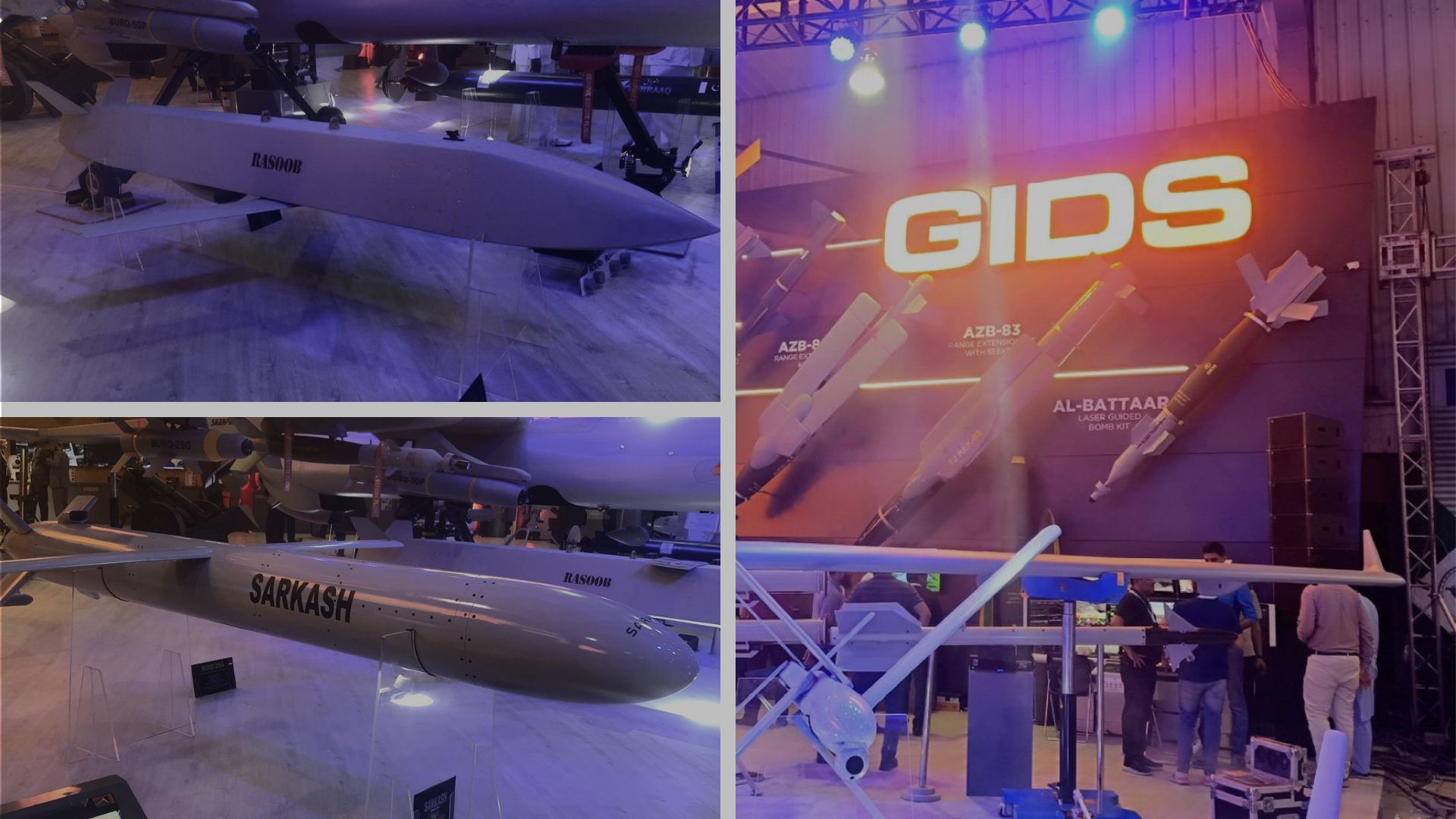
Thus, the PAF will need to revise parts of its approach to long-range attack missions. Key alterations could involve using air-launched cruise missiles (ALCM) for conventional strikes instead of solely relying on glide-based stand-off range weapons (SOW) that require a high launch altitude for maximizing range. Likewise, the PAF could also look at investing in additional dedicated electronic warfare (EW) assets.
In light of a saturated and complex enemy air defence environment, the PAF may need to lead strikes on high-value targets (HVT) with SEAD (suppression of enemy air defence) and DEAD (destruction of enemy air defence) operations. However, to achieve optimal results, the PAF may need support from land forces.
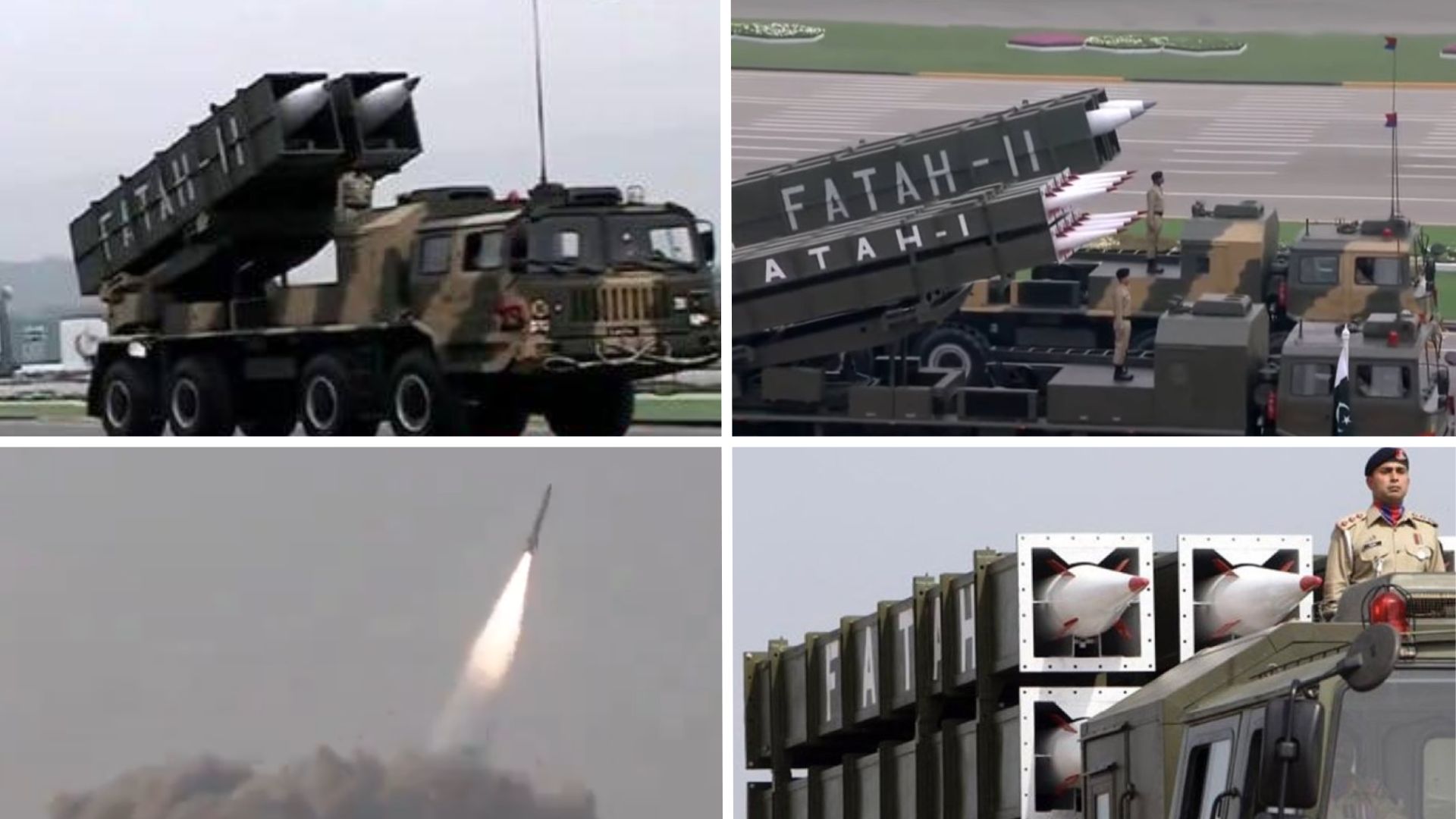
In other words, future SEAD/DEAD operations could require the use of land assets in combination with aircraft, i.e., joint air and land operations by the PAF and the Pakistan Army (PA), respectively.
Using Land Assets to Deter Aggressive SAM Deployment
One of the S-400’s marquee threats lie in the chance of India aggressively deploying it close to the border. In theory, a deployment of that nature could cut into Pakistani airspace, at least enough to hamper high-altitude flights at up to 400 km, i.e., the range of the S-400’s 40N6 surface-to-air missile (SAM).
Quwa Plus
Go Beyond the Headlines on Pakistan’s Defence and Security.
Quwa Plus gives you deeper reporting, briefings, and analysis on Pakistan’s defence programs, foreign policy, national security, and regional strategy. Follow the developments that matter to professionals, analysts, and serious readers tracking Pakistan’s security landscape.
Join ($29.99/Year) Already a subscriber?Sign in