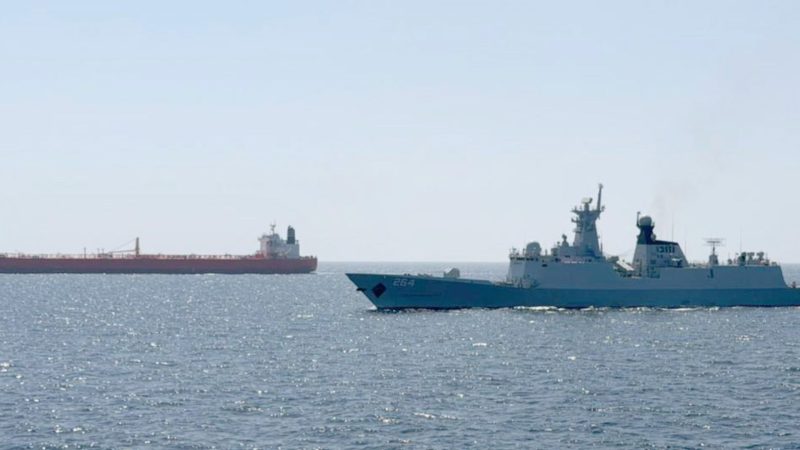

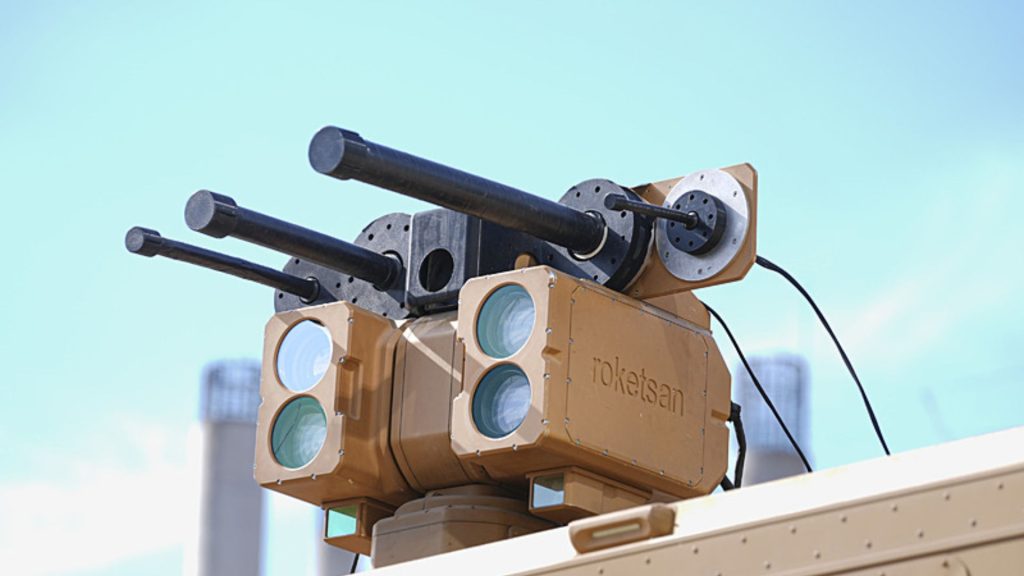
The Pakistan Navy (PN) issued a formal tender for the procurement of two 10 kW laser weapon systems (LWS) and two associated radars, to be installed on two PN surface combatants.
Published by the Directorate of Procurement (Navy) with a deadline of 10 March 2026, the tender marks the PN’s first concrete procurement step towards acquiring shipborne directed energy weapons (DEWs), with parallel efforts being undertaken by the PAF to procure high-powered microwave (HPM) systems.
These LWS systems are to be imported, priced in USD on a Free on Board (FOB) basis, and delivered within six months of the contract effective date.
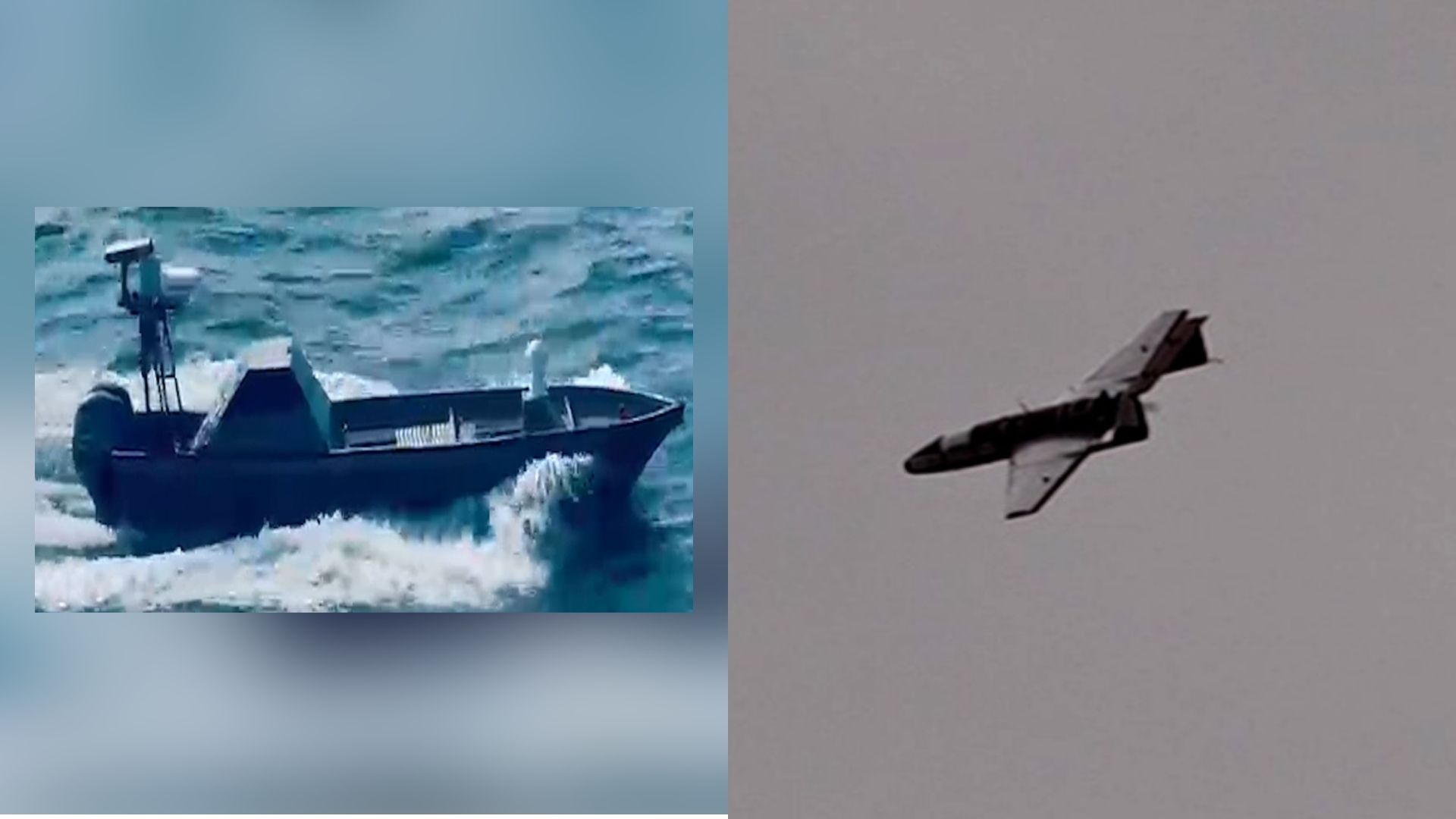
The tender’s technical annex (dated 04 December 2025) reveals a system tailored for counter-unmanned aerial system (C-UAS) and counter-swarm operations, especially from loitering munitions.
Core specifications call for a 10 kW high-energy laser (HEL) scalable to 30 kW, with 360-degree azimuth coverage and an engagement envelope extending to 2.5 km. Moreover, the HEL system must neutralize its target within five seconds at that range, operate under all weather conditions, and integrate with the host ship’s combat management system (CMS) and main radar.
Finally, the tender specifies that the HEL offered must already be in operational service with another military or navy, ruling out developmental or prototype solutions.
Key Performance Requirements
In the tender, the PN stated that it aims to shorten its Observe, Orient, Decide, Act (OODA) loop, and that the HEL must leverage artificial intelligence (AI) and machine learning (ML) to shorten response time and support multi-target engagement to neutralize swarms.
In this vein, the PN set specific latency requirements, with sensor-to-command and command-to-effector responsiveness within 100 ms and 50 ms, respectively, for engagement against all drone profiles through pre-programmed, multi-directional kill solutions.
The required engagement sequence needs to run from a track acquisition of 7 km to fine-tracking at 3 km via the ship’s electro-optical and infrared (EO/IR) system, to a hard-kill engagement at 2.5 km with a beam divergence of 0.5 mrad.
The PN also requires that the vendor provide the HEL with its own integrated EO/IR suite for independent drone tracking and handoff to a beam director using fast-steering mirrors.
Don't Stop Here. Unlock the Rest of this Analysis Immediately
To read the rest of this deep dive -- including the honest assessments and comparative analyses that Quwa Plus members rely on -- you need access.