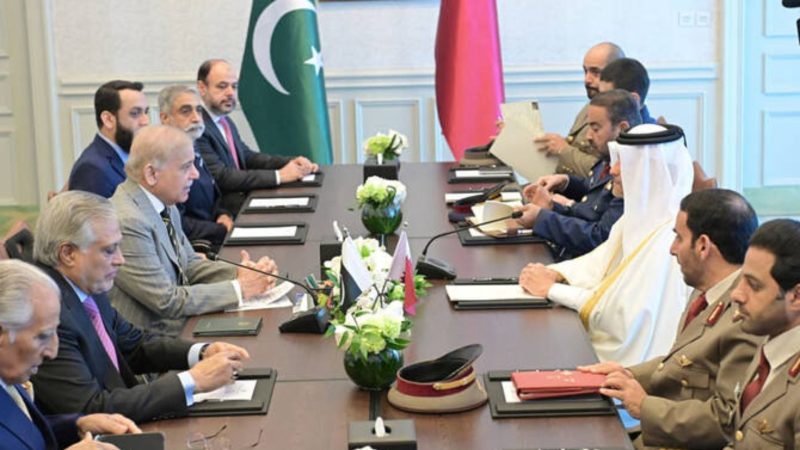

On 11 December, a Turkish delegation met with Pakistan’s Commerce Minister, Jam Kamal Khan, to explore opportunities to engage Pakistan’s defence and aerospace industrial base.
According to a press release from Pakistan’s Ministry of Commerce, the Turkish delegation “conveyed strong interest in pursuing joint ventures, technology transfer, and establishing manufacturing capabilities in Pakistan” across a range of areas, including defence, aerospace, minerals, and others.
The timing of the Turkish delegation’s visit coincides with the Pak-Turk Joint Working Group (JWG) on defence, which typically meets in January each year.
In the previous JWG, officials had reportedly discussed the possibility of jointly designing and producing a helicopter. However, no progress towards this proposal was reported thereafter.
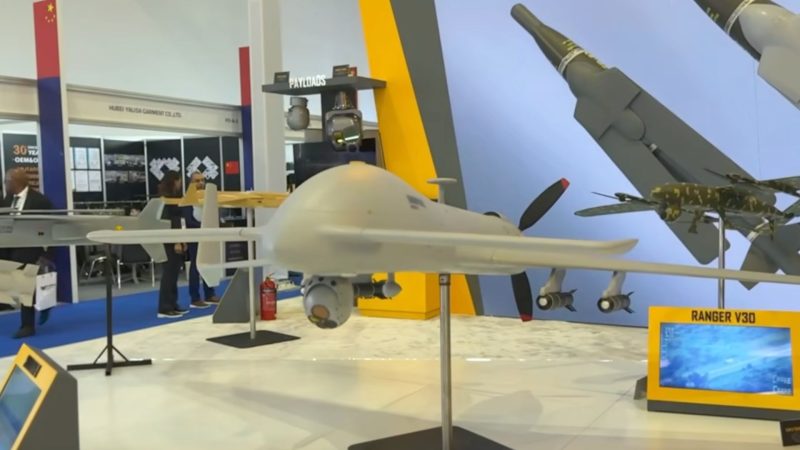
In general, Pakistan has essentially treated Türkiye as a supplier of defence arms rather than a partner with which it can engage in original design, development, and production programs. Thus, the majority of engagements to date have focused on standard procurement (e.g., drones via Baykar Group).
That said, there have been some exceptions: the Pakistan Navy (PN) acquired four MILGEM Babur-class corvettes and jointly designed an original frigate with ASFAT A.S., and, more recently, Baykar has spoken with Pakistani officials about establishing a local drone assembly plant.
However, even the industry-focused engagements have not ‘dug’ into the supply chain, R&D, and other deeper layers of collaboration that could be explored between the two countries.
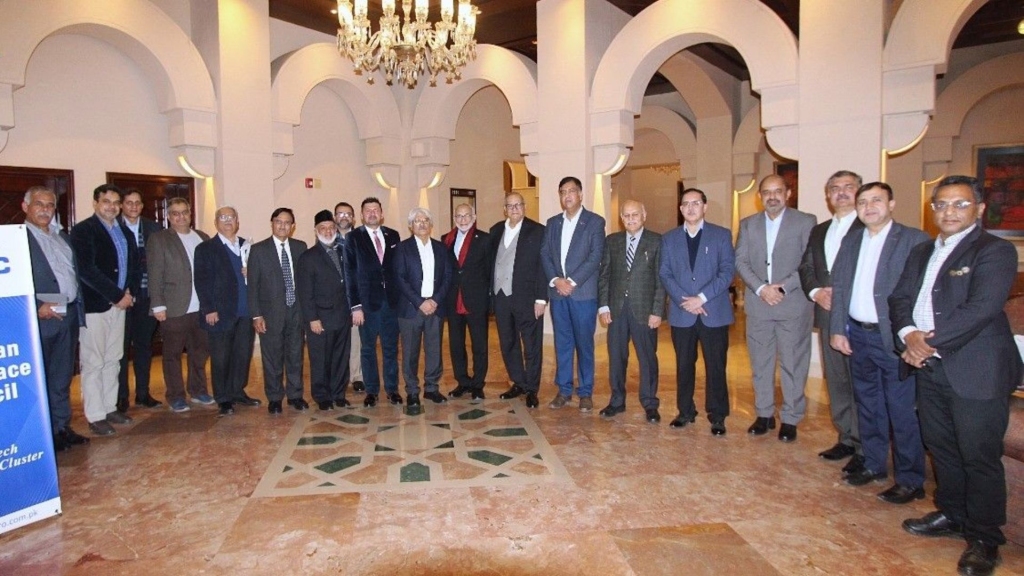
In that vein, the Pakistani private sector, led by entities such as the Pakistan Aerospace Council (PAeC), have taken the initiative to build those deeper-level industrial linkages.
Several days prior to meeting the Ministry of Commerce, the high-level Turkish delegation met with the PAeC and its representatives, with the latter providing “insights into opportunities for joint ventures, supply chain partnerships, and technology cooperation.”
Indeed, one of the significant weaknesses of Pakistan’s defence industrial posture has been its chronic inability to effectively leverage high-potential collaborative partnerships, even when such opportunities are presented, as in Türkiye, South Africa, Poland, Czechia, and others.
Don't Stop Here. Unlock the Rest of this Analysis Immediately
To read the rest of this deep dive -- including the honest assessments and comparative analyses that Quwa Plus members rely on -- you need access.