
Youtube
X-twitter
Linkedin
Spotify
Rss
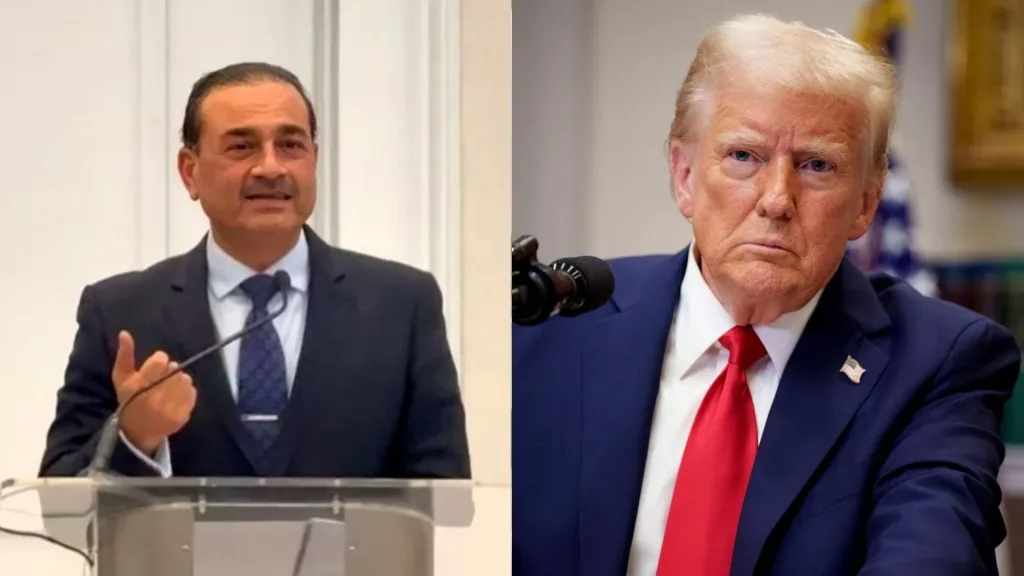
In his official visit to Washington, Pakistan’s Chief of Army Staff (COAS), Field Marshal Asim Munir, was invited to a private luncheon directly with U.S. President Donald Trump in the White House.
The meeting is a significant swing in optics, from the disparaging Tweet President Trump posted in 2017 to disavow Pakistan and cut its military aid, to now viewing a key head of its security establishment as an important figure and stakeholder.
However, while Pakistan has looked to reframe its identity as more than a regional security partner, the meeting between Pakistan’s top military figure and the President of the U.S. arguably maintains more of the same core historical pattern.
Get access to this article and all other Quwa content today.
Click Here
However, the U.S.’s vision for Pakistan could potentially involve more than solely Iran and, potentially, be a call to Rawalpindi to ‘look West’ in both its immediate security concerns and its long-term direction.
In other words, Washington likely wants Pakistan to focus its energies on Afghanistan and Iran so as to ensure both countries remain stable and favourable to U.S. interests. Moreover – and more importantly – the U.S. wants Pakistan and India to normalize their ties, potentially by formalizing the Line of Control as the international border between the two countries.
A ‘look West’ doctrine would require normalization with India and, consequently, a gradual shift towards managing security and stability on the western front.
However, the challenge with that call to action is that Pakistan just emerged from an intense conflict with India last month. Moreover, India was the instigator of that conflict; thus, there is no objective reason for Pakistan’s national security leadership to accept this shift short of a landmark guarantee or fundamental change in the underlying equation.
Washington may perceive that the ‘change in the underlying equation’ could involve normalization (i.e., forcing India to the negotiating table along with Pakistan), guaranteeing Pakistan’s water interests, and, potentially, better integrating the Pakistani economy into world markets.
Don't Stop Here. Unlock the Rest of this Analysis Immediately
To read the rest of this deep dive -- including the honest assessments and comparative analyses that Quwa Plus members rely on -- you need access.