
Youtube
X-twitter
Linkedin
Spotify
Rss
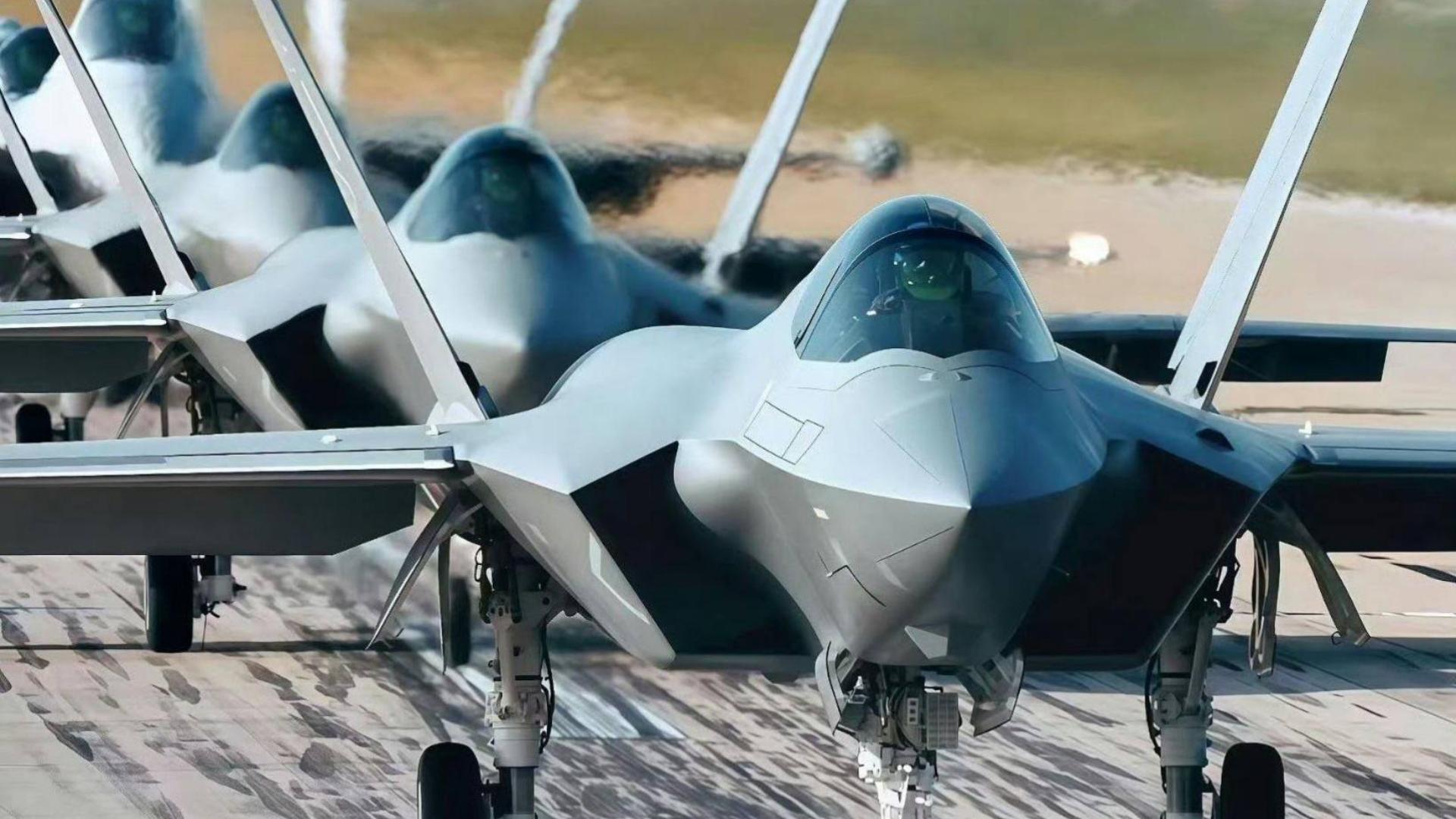
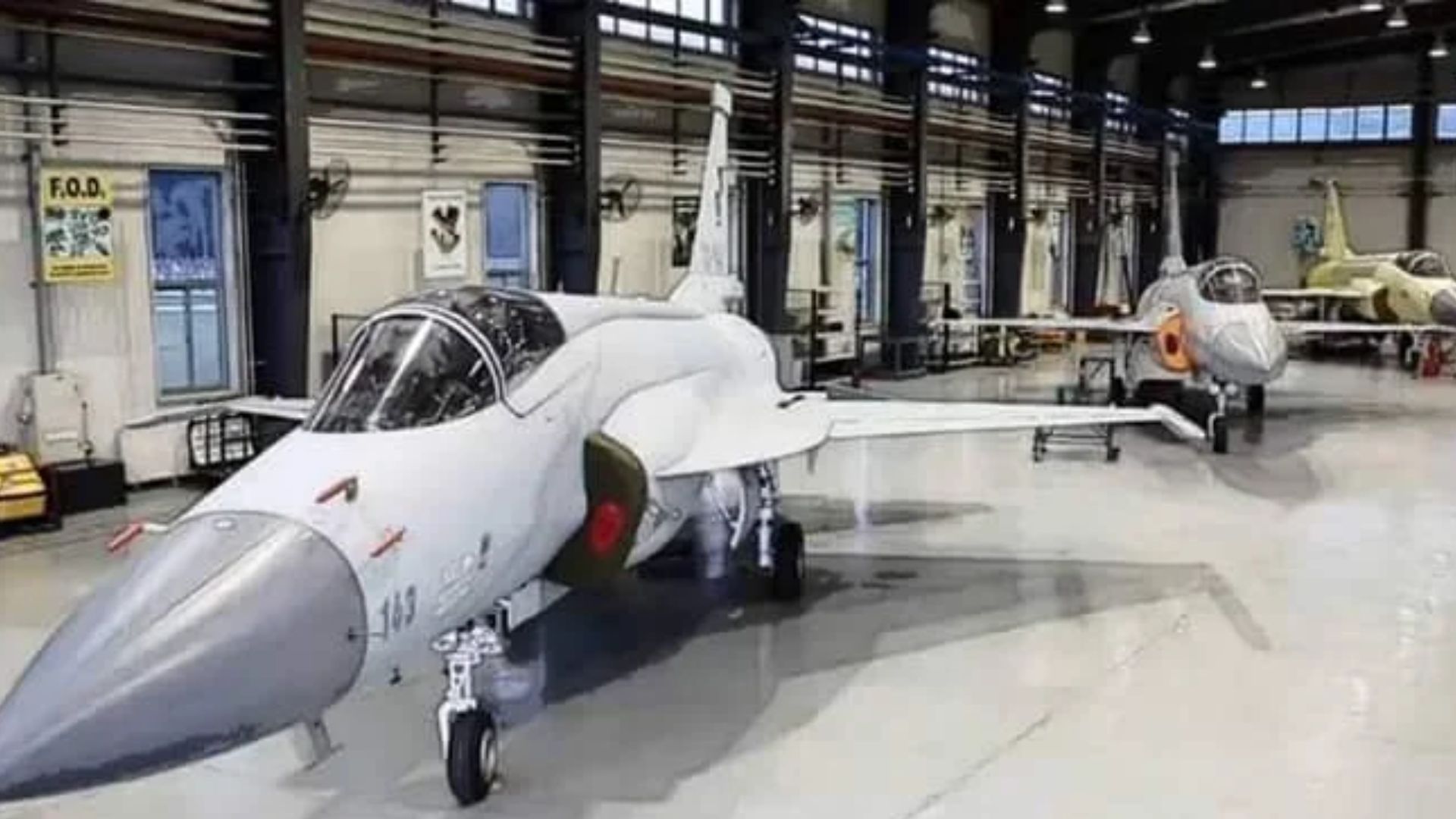
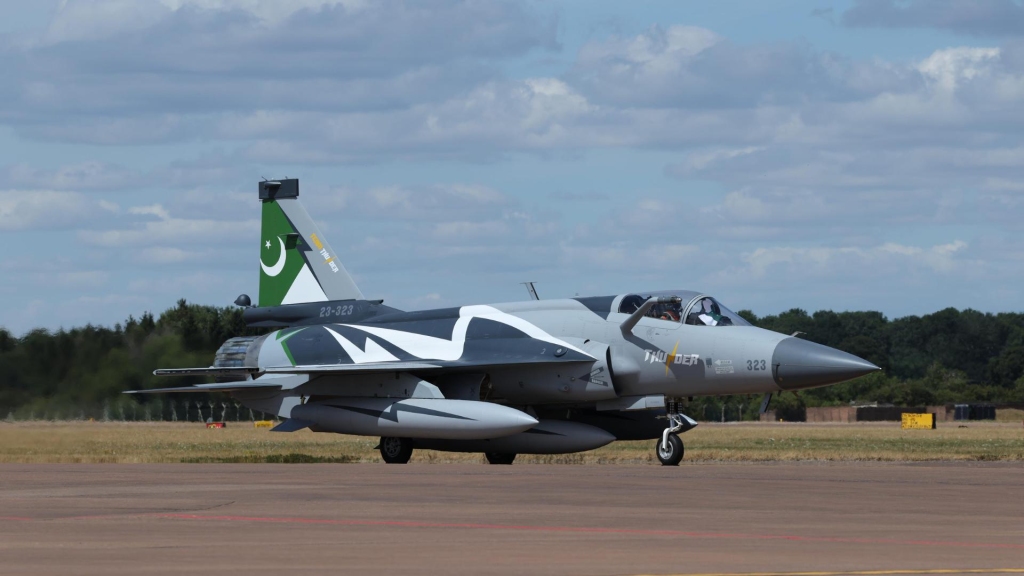
The discourse surrounding military modernization in South Asia, remains stubbornly fixated on platforms. Every debate spirals into a comparison of fighter specifications, missile ranges, and fleet numbers. This platform-centric accounting – asking whether a Tejas is better than a JF-17 or how many J-35s Pakistan might acquire – is a simplistic way of assessing military power. It misses the forest for the trees.
The Pakistan Air Force (PAF), which has generally faced a superior numerical and, in many areas, qualitative adversary, has long since moved beyond this thinking. Rather, the PAF has cultivated a sophisticated “system of systems” approach to warfare, where the value of an individual asset is measured by its contribution to the integrated whole.
On May 7th of 2025, during the short but intense conflict with India, it was not the prowess of a single fighter that mattered, but the resilience and lethality of the entire networked system the PAF brought to the fight. Observers fixated on platforms are fundamentally misreading the nature of the evolving threat.
Get access to this article and all other Quwa content today.
Click Here
The System in Action: From 2019 to 2025
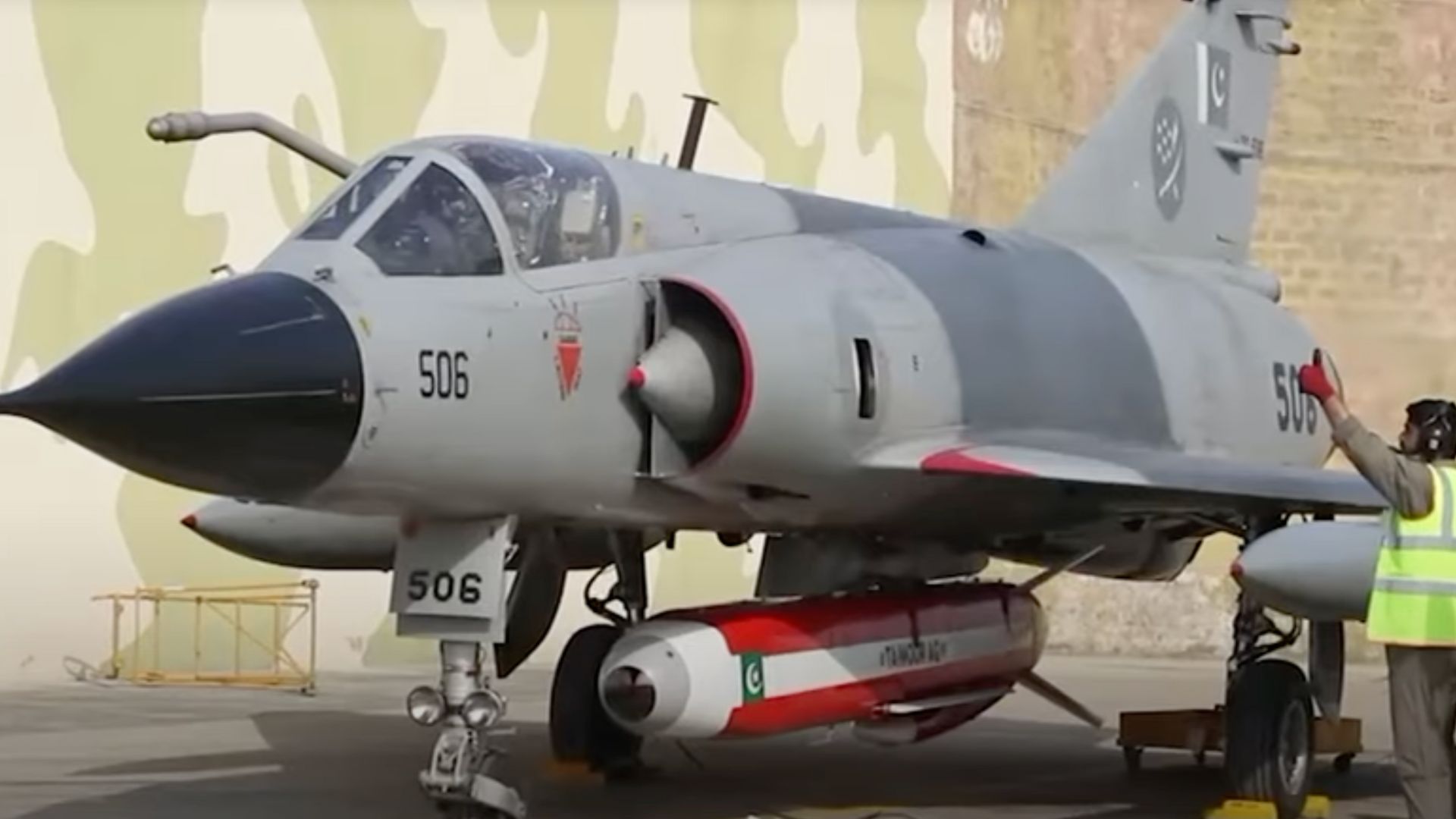
The seeds of this doctrine were visible in 2019. The PAF’s response was a networked operation, with the Saab Erieye AEW&C acting as the central sensor node, distributing a common air picture via both Link-16 and Link-17 tactical data link to F-16s as well as JF-17s, and Mirage III/5s, respectively. This allowed the fighter fleet to operate with reduced electronic signatures, making them difficult to track while maintaining a strong level of situational awareness.
By 2025, this concept had matured significantly. While reports of a full-fledged Cooperative Engagement Capability (CEC) – where an AEW&C could directly guide an air-to-air missile (AAM) to its target – may be premature for the PAF’s current hardware stack, a more limited variation was likely employed.
A plausible “wolfpack” scenario would see one aircraft, like a JF-17, launch a PL-15E AAM, with another, better-positioned J-10C using its more powerful active electronically-scanned array (AESA) radar to then manage the terminal guidance. This would be a networked, systems-level kill, hence explaining why the J-10C units were ultimately credited with kills even if other platforms deployed the munitions.
On that day, as 72 Indian fighters headed towards Pakistan, the PAF’s operational calculus was not about matching numbers. The critical metric was the composition of its own 42-48-strong fighter screen. The key questions were systemic: What percentage of our deployed force has jam-resistant AESA radars? Are the TDLs secure enough to withstand electronic attack (EA)? Are there enough air combat platforms capable of launching the PL-15E AAM or, potentially, deploying their own EA capability?
Don't Stop Here. Unlock the Rest of this Analysis Immediately
To read the rest of this deep dive -- including the honest assessments and comparative analyses that Quwa Plus members rely on -- you need access.