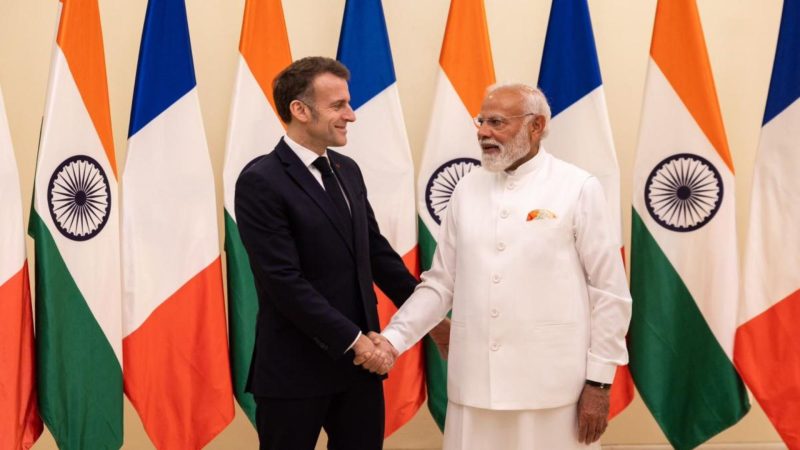

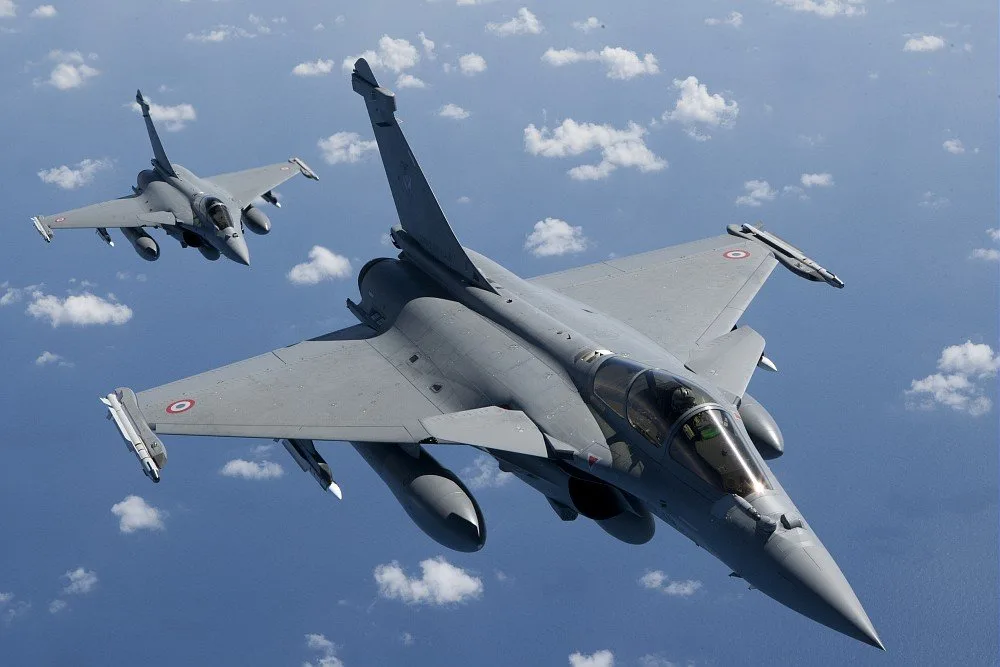
India’s Defence Procurement Board (DPB) has greenlighted the Indian Air Force’s (IAF) proposal to procure 114 Dassault Rafale in a potential landmark defence deal that could be the biggest transaction between New Delhi and Paris to-date.
The DPB is the second-highest decision-making tier in India’s Ministry of Defence (MoD), sitting just below the Defence Acquisition Council (DAC). The DPB vets procurement and other defence proposals, while the DAC signs off on their validity through an Acceptance of Necessity (AoN) certification. This AoN initiates negotiations, which, in India’s history, have been protracted and complex, especially for large contracts.
Many of India’s largest defence contract negotiations proceed from AoNs to requests for proposals (RFPs), field evaluation trials (FET), contract negotiations, and final approval from the Cabinet Committee on Security (CCS).
Given that the IAF directly proposed procuring 114 Rafales, India could accelerate the process in several respects (e.g., no open bids or RFPs, no need to condition FETs to negotiations, etc.). However, should the DAC approve and allow negotiations to move ahead, the process could endure several sticking points, such as the pricing, domestic integration rights, commercial offsets, and localization.
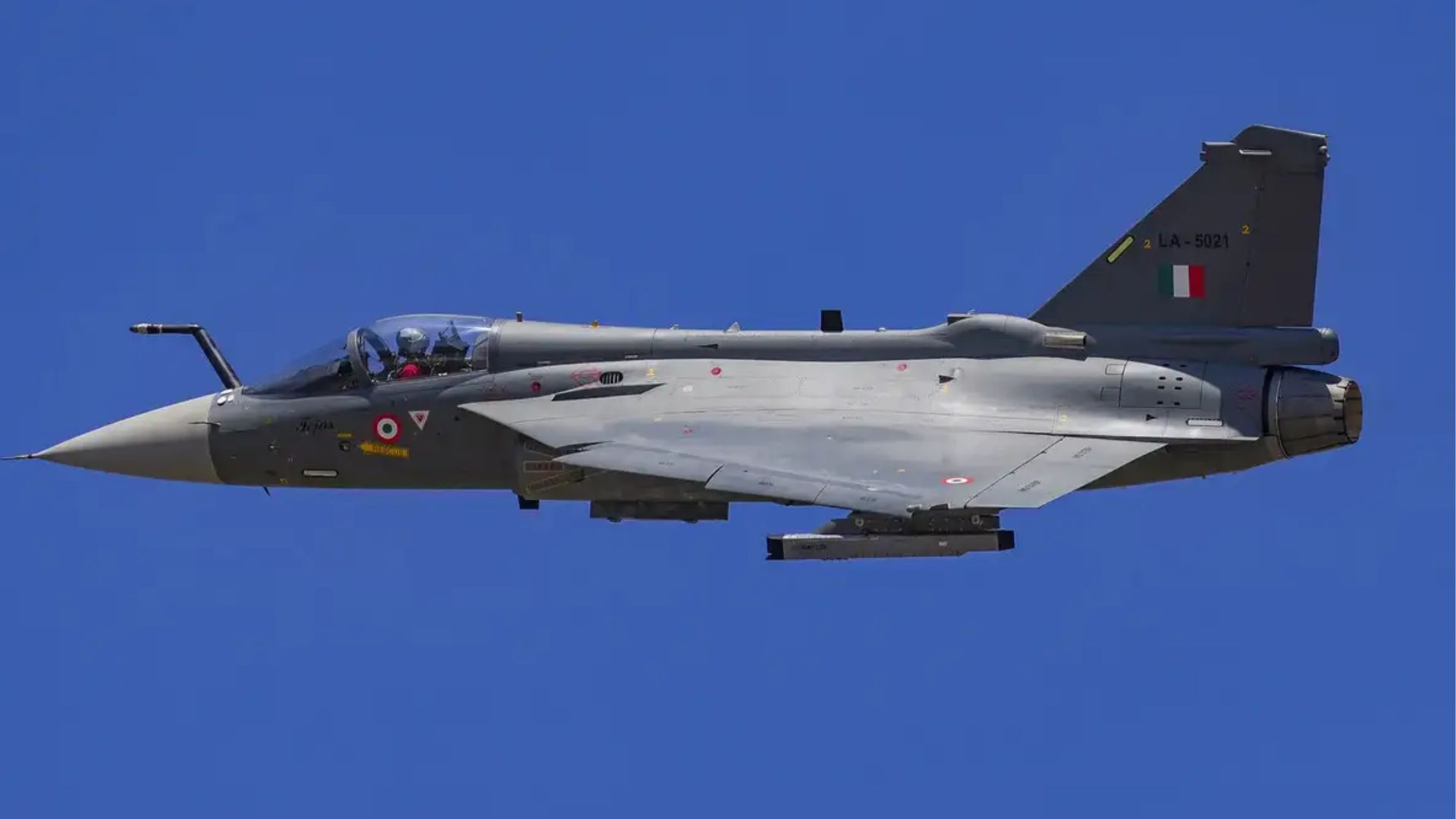
Understandably, the potential deal will draw consternation from India’s key stakeholders, especially those who would prefer to secure short- to medium-term funding for indigenous initiatives, such as the Tejas Mk2 and the Advanced Medium Combat Aircraft (AMCA).
However, having just engaged in a brief but intense conflict with the Pakistan Air Force (PAF) to its west, a potentially resurgent Bangladesh Air Force (BAF) to its east, and – most importantly – a vast, advanced, and still rapidly evolving force in the north in the People’s Liberation Army Air Force (PLAAF), the IAF is evidently pressing towards the options it knows how to use and, most importantly, trusts in real-world warfighting.
Granted, the Tejas Mk2 and AMCA are in the development pipeline, but one might also draw attention to Russia’s compelling Su-57 offer, which likely does promise a high – if not extensive – localization offer. However, by proposing the Rafale, the IAF prefers to trust certainties – not possibilities. The IAF can attest to the reliability, performance, and adaptability of the Rafale in a real conflict against modern threats.
Indeed, in an earlier analysis on Quwa, this author argued that pursuing the 114 Rafale fighters would be the most technically prudent move for the IAF. It can consolidate its existing fleet (and support base), extend the doctrines built for the fighter to much of its fighter force, and, over time, absorb the aircraft’s production and support locally.
Evidently, there is a cost premium to certainty…
That cost premium cuts across several areas: First, the actual pricing itself, which (even if accounting for the fact that it likely includes after-sale support, maintenance, etc) may run in excess of $300 million USD per unit. Second, local reporting suggests that the deal will involve local content of around 30%, which is short of the 50%+ goal New Delhi set for its Make in India initiative. Third, there is a lack of clarity on whether India would receive the necessary access to integrate its domestic munitions and subsystems into the Rafale.
Don't Stop Here. Unlock the Rest of this Analysis Immediately
To read the rest of this deep dive -- including the honest assessments and comparative analyses that Quwa Plus members rely on -- you need access.