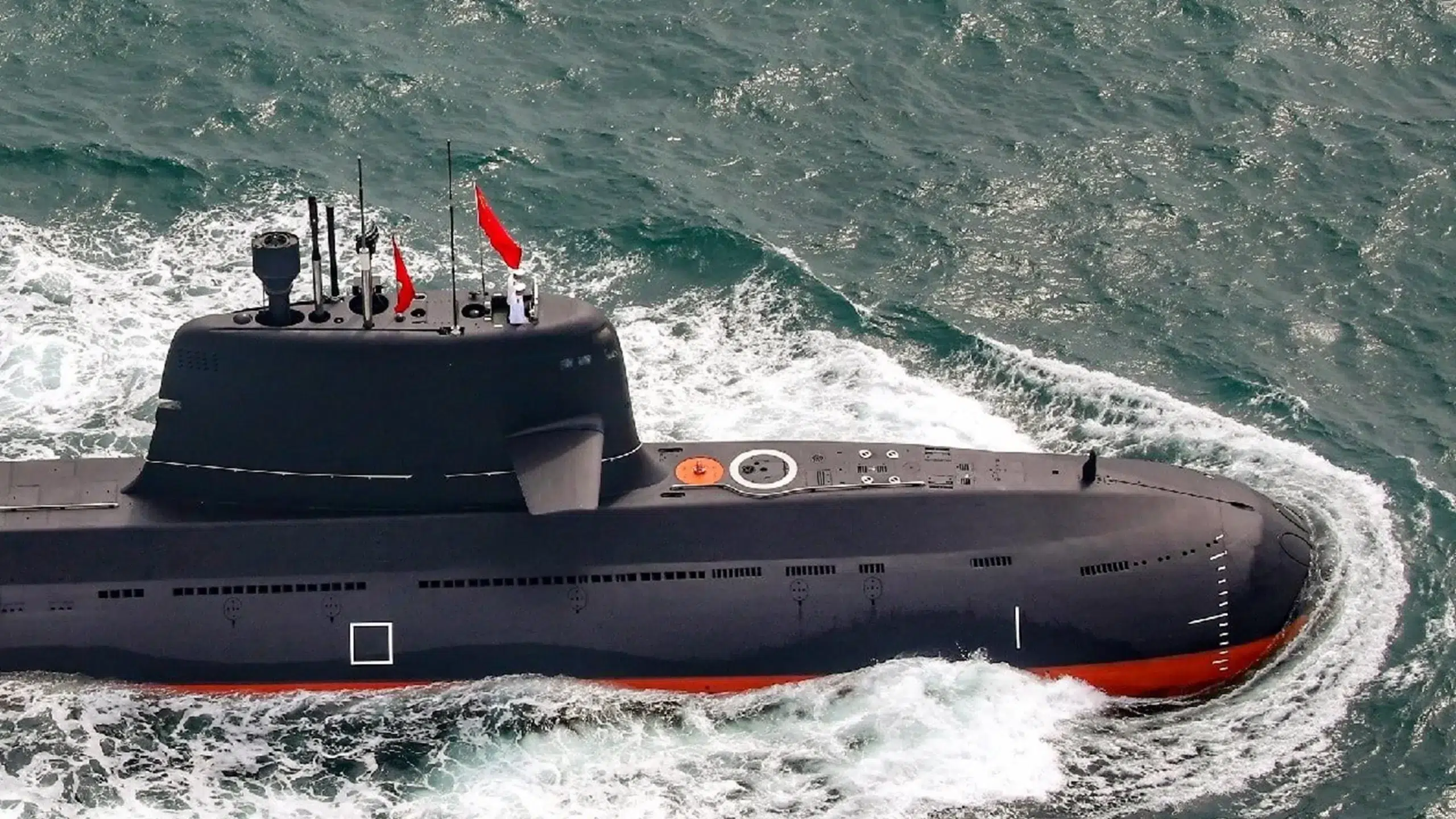
The Pakistan Navy (PN) is undergoing a significant modernization program across each operational domain – i.e., surface, sub-surface, aviation, network-enablement, and others. Procurement of technically mature off-the-shelf weapon systems, such as the Type 054A/P frigate from China, are a critical piece of the PN’s modernization efforts. However, in an apparent break from most Pakistani defence acquisition programs, which favour fully operational and mature systems, the PN is staking its future on original designs.
The most notable of these designs are the Sea Sultan long-range maritime patrol aircraft (LRMPA) and the Jinnah-class frigate. If successful, the two programs could emerge as the PN’s workhorse assets across its surface combatant and maritime patrol domains. Moreover, the results could potentially encourage the PN to take on additional original projects.
Sea Sultan Long-Range Maritime Patrol Aircraft
On July 2021, reports emerged of Pakistan contracting the Italian defence giant Leonardo to convert three Embraer Lineage 1000 jetliners into the Sea Sultan LRMPA.[1] Pakistan also signed Paramount Group from South Africa to carry out maintenance, repair, and overhaul (MRO) work on the aircraft.[2] The PN intends to acquire a total of 10 Sea Sultan LRMPAs with the goal of supplanting its P-3C Orion LRMPAs.
The PN revealed its plans for a new jet-powered LRMPA in 2018. Initially, the PN stated that it was willing to procure a suitable system from “any source” – including the United States. However, the PN ultimately opted to take on an original project by selecting the base platform, subsystems, and weapons of its choice.
The starting point was selecting the base aircraft for the LRMPA. The PN basically shortlisted the Embraer Lineage 1000E, of which it ordered one aircraft in 2020. In terms of subsystems, the PN outlined that the Sea Sultan would mirror the RAS-72 Sea Eagle. Like the Sea Sultan, the RAS-72 was an original design that the PN ordered from Germany’s Rheinland Air Service (RAS) GmbH in 2016.
Thus far, it seems that the Sea Sultan LRMPA will have some subsystem commonality with the Sea Eagle, e.g., the use of a Leonardo Seaspray active electronically scanned array (AESA) radar. The PN may also add the Star SAFIRE III electro-optical and infrared (EO/IR) turret and Elettronica’s electronic support measures (ESM) suite, which includes an electronic intelligence (ELINT) system.
However, the PN may require higher performance and capability from the Sea Sultan, so it could look at a higher output version of the Seaspray AESA radar and/or additional ESM elements. In fact, the original tender for the base aircraft had outlined that the PN would utilize the LRMPA as an airborne early warning (AEW) asset. The Sea Sultan could also have its own unique subsystems. For example, if the PN is looking to emulate the capability of the P-8I Poseidon, it may need a magnetic anomaly detector (MAD).
The part that is less clear about the Sea Sultan is its weapons configuration. The original PN tender for the aircraft stipulated that it should be capable of ASW and anti-ship warfare (AShW). Current news reports suggest that ASW will come through a torpedo-release system from Italy.[3]
However, AShW element could potentially be a more complicated piece. The Sea Sultan would need two-to-four hardpoints capable of carrying an anti-ship cruising missile (ASCM). The design, integration, and test work of the hardpoint could require Embraer’s input. Pakistan would not have been able to carry out work of this nature on its own or, for that matter, with a smaller contractor.
It is possible that one of the reasons behind the selection of Leonardo stems from the company’s past history collaborating with Embraer. Thus, Leonardo may be able to carry out more extensive modification work – especially on the Lineage 1000E – compared to smaller contractors, such as RAS. Leonardo might also view the Sea Sultan as a future offering, so it may be supporting some of the development cost. Thus, there are grounds to believe that the Sea Sultan will emerge as a significant modification of the Lineage 1000E that would allow for full-spectrum ASW and AShW capabilities.
Don't Stop Here. Unlock the Rest of this Analysis Immediately
To read the rest of this deep dive -- including the honest assessments and comparative analyses that Quwa Plus members rely on -- you need access.