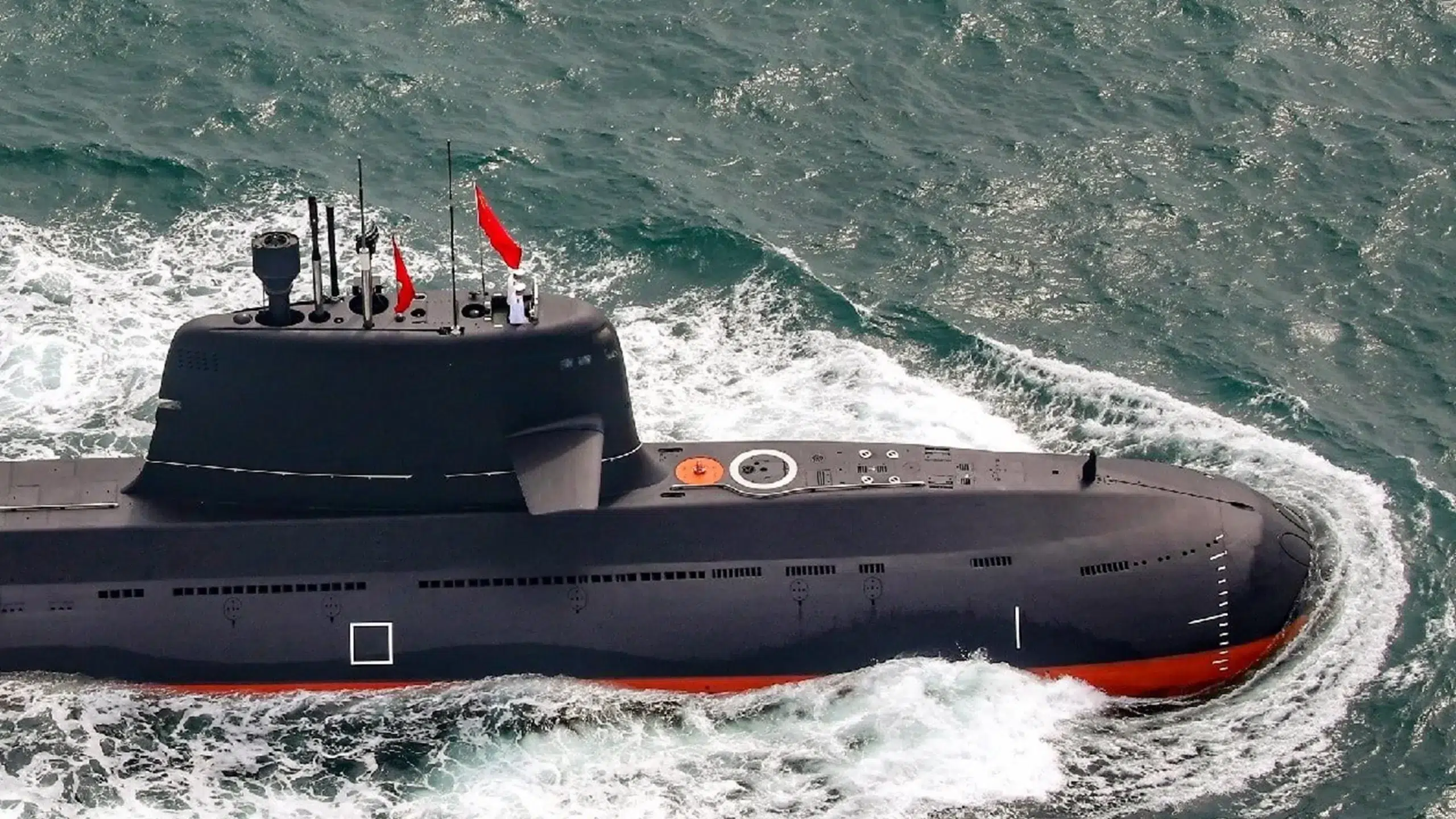


In 2015, Pakistan’s announcement about procuring eight new air-independent propulsion (AIP)-powered submarines from China kicked-off the Pakistan Navy’s (PN) modernization efforts.
Initially, it had appeared that the new submarines – designated the Hangor-class – would form the entirety of the PN’s big-ticket procurement, largely due to the fact that Pakistan is fiscally constrained and that the PN typically does not receive as much in procurement funding compared to the Army or Air Force.
However, while the PN added large surface ships to its procurement pipeline, there is little doubt that its new Hangor-class submarines will, ultimately, have the greatest impact in South Asia’s maritime domain.
As discussed in previous Quwa articles, this is due to the fact that the Hangor-class will likely (1) carry the PN’s strategic deterrence element through submarine-launched cruise missiles (SLCM), (2) offer credible anti-ship warfare (AShW) and anti-submarine warfare (ASW) capabilities, and (3) leverage both numbers and low detectability to serve as a threatening anti-access and area-denial (A2/AD) asset.
Supporting the Hangor-class submarines, the PN’s existing three Khalid-class (Agosta 90B) AIP submarines will have undergone major upgrades by 2028. In sum, the PN would have 11 AIP-powered submarines as well as, potentially, a submarine rescue and salvaging vessel by 2028.
Not only will the PN’s submarine fleet expand, but it will join among Asia’s largest sub-surface fleets. That fact alone is an altering factor in the region. ASW, especially in shallow water environments (where SSKs can mask themselves under the acoustic noise of merchant ships passing through), is resource-intensive.
For Pakistan, a strength in numbers will require the Indian Navy (IN) to stretch its ASW coverage relatively thinly (e.g., across a wider location, stretching the IN’s supply channels and the ability of its fighter aircraft to support surface and airborne ASW assets). Increasing the cost, difficulty, and potential of loss is key.
Besides posing a risk to enemy surface ships, the PN’s submarines would, arguably, be its best submarine hunters as well. Investment in quantity enables the PN to free more ships to focus on potentially intruding enemy submarines in addition to taking on land-strike or AShW missions.
Granted, this cannot be done by submarines alone. The PN must look at improving its AShW capabilities as well, notably through supersonic-cruising anti-ship cruising missiles (ASCM). However, large submarine fleets are essentials that few other countries, especially in Asia, benefit from atop of other pieces.
One area the PN is evidently studying, at least based on the Ministry of Defence Production’s most recent yearbook, is the construction of a miniature submarine at Karachi Shipyards & Engineering Works (KSEW).
Don't Stop Here. Unlock the Rest of this Analysis Immediately
To read the rest of this deep dive -- including the honest assessments and comparative analyses that Quwa Plus members rely on -- you need access.