
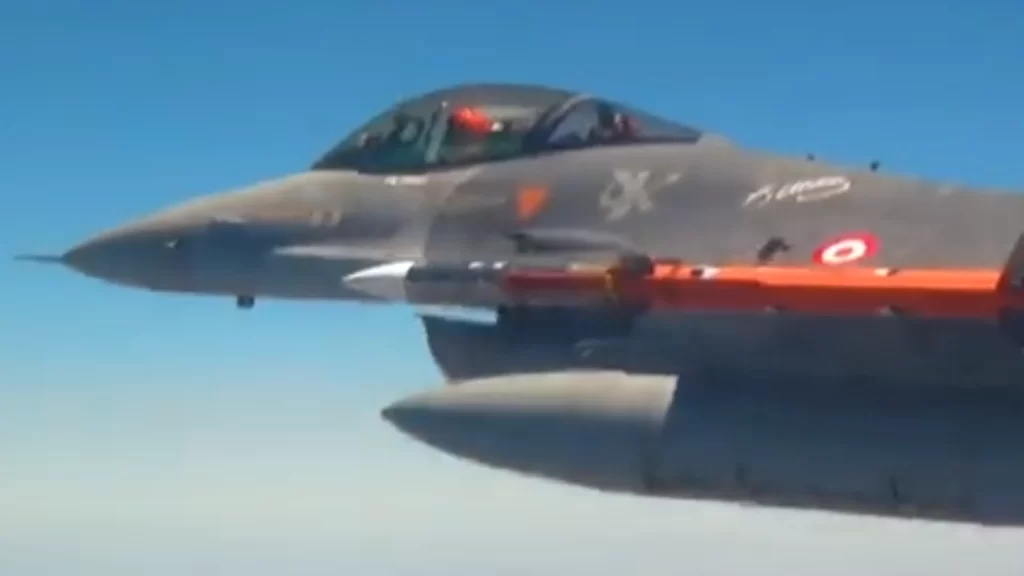
On 15 February, the Pakistan Air Force’s (PAF) Chief of Air Staff (CAS), Air Chief Marshal (ACM) Zaheer Ahmed Baber Sidhu, met with the Deputy Chief of General Staff of the Turkish Armed Forces, General İrfan Özsert, at Air Headquarters (AHQ) in Islamabad.
According to an official PAF press release, the two leaders focused on “mutual training initiatives and endeavours of technology collaboration” between the armed forces of Pakistan and Turkiye.
The two leaders “agreed to elevate the existing partnership through Joint Working Groups focused on technology enhancement and core capability exchanges.” They also discussed undertaking an “Air-to-Air Missile technology exchange program to accrue maximum benefits for both Air Forces.”
It is currently unclear what this air-to-air missile (AAM) “technology exchange” program would entail.
For example, the PAF could be interested in leveraging Turkish expertise in supporting the domestic AAM program, i.e., the FAAZ by the National Engineering and Scientific Commission (NESCOM).
Alternatively, the PAF could be looking at pursuing an alternative AAM program in collaboration with Turkiye, potentially at the National Aerospace Science and Technology Park (NASTP).
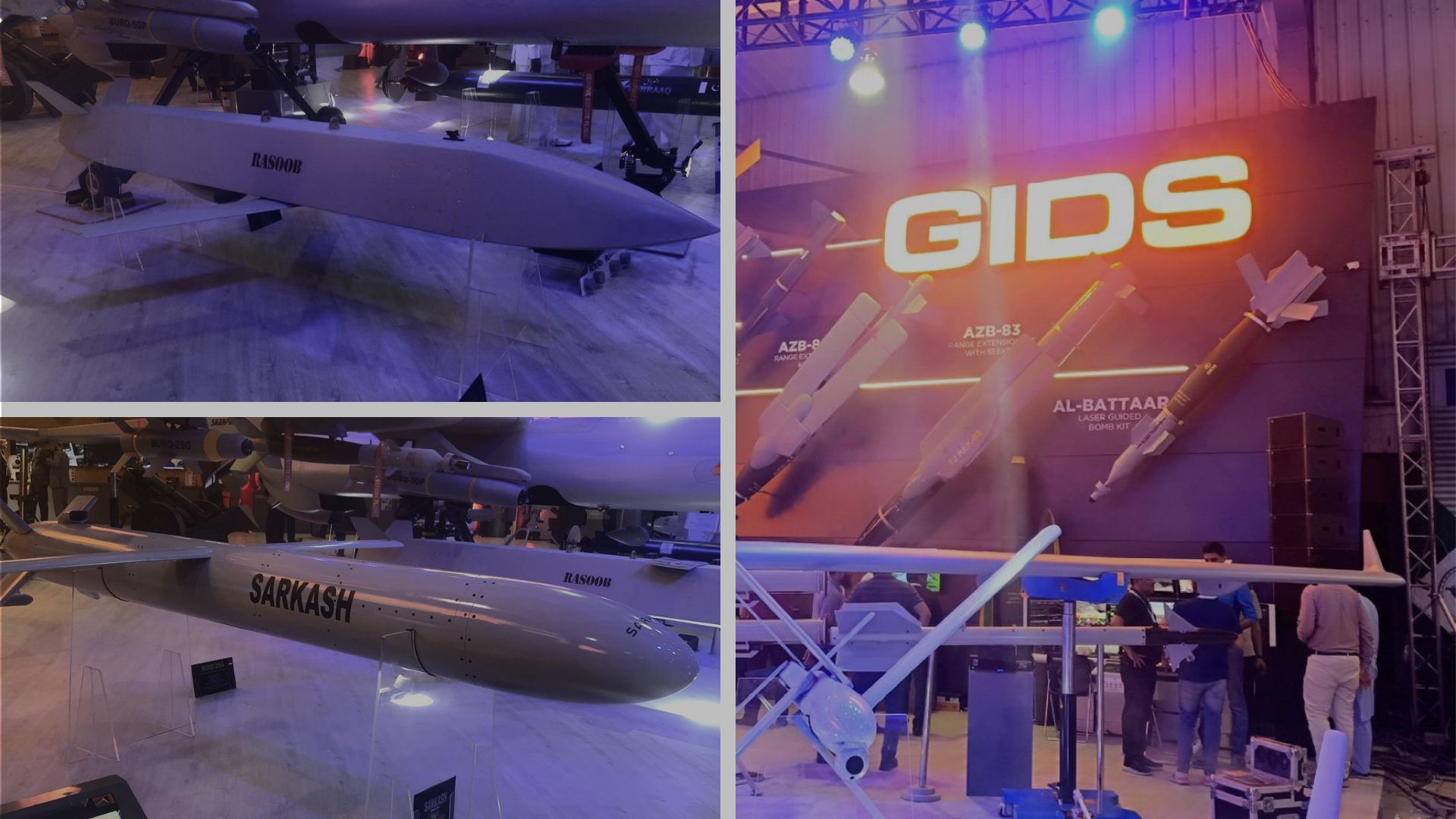
Overall, it should be noted that the current PAF leadership is focused on expanding NASTP activities, especially through joint-ventures and partnerships with foreign defence vendors. The PAF’s ongoing engagement with Baykar Group, for example, is resulting in the development of new munitions, such as loitering munitions and miniature air-launched cruise missiles (ALCM), at NASTP.
Policy of Indigenizing Munitions
This announcement makes one aspect of the PAF’s development priorities certain – i.e., it is pursuing the indigenous production of key munitions. Thus far, the bulk of this activity involved the production of air-to-surface munitions, such as the Ra’ad/Taimur-series of ALCMs, the Takbir/Indigenous Range Extension Kit (IREK) precision-guided bomb (PGB) kit, and others.
However, the future product roadmap disclosed by Global Industrial and Defence Solutions (GIDS) features an in-house AAM program by the designation of “FAAZ.” Thus, it appears that at some point, the PAF identified the domestic production of AAMs a priority.
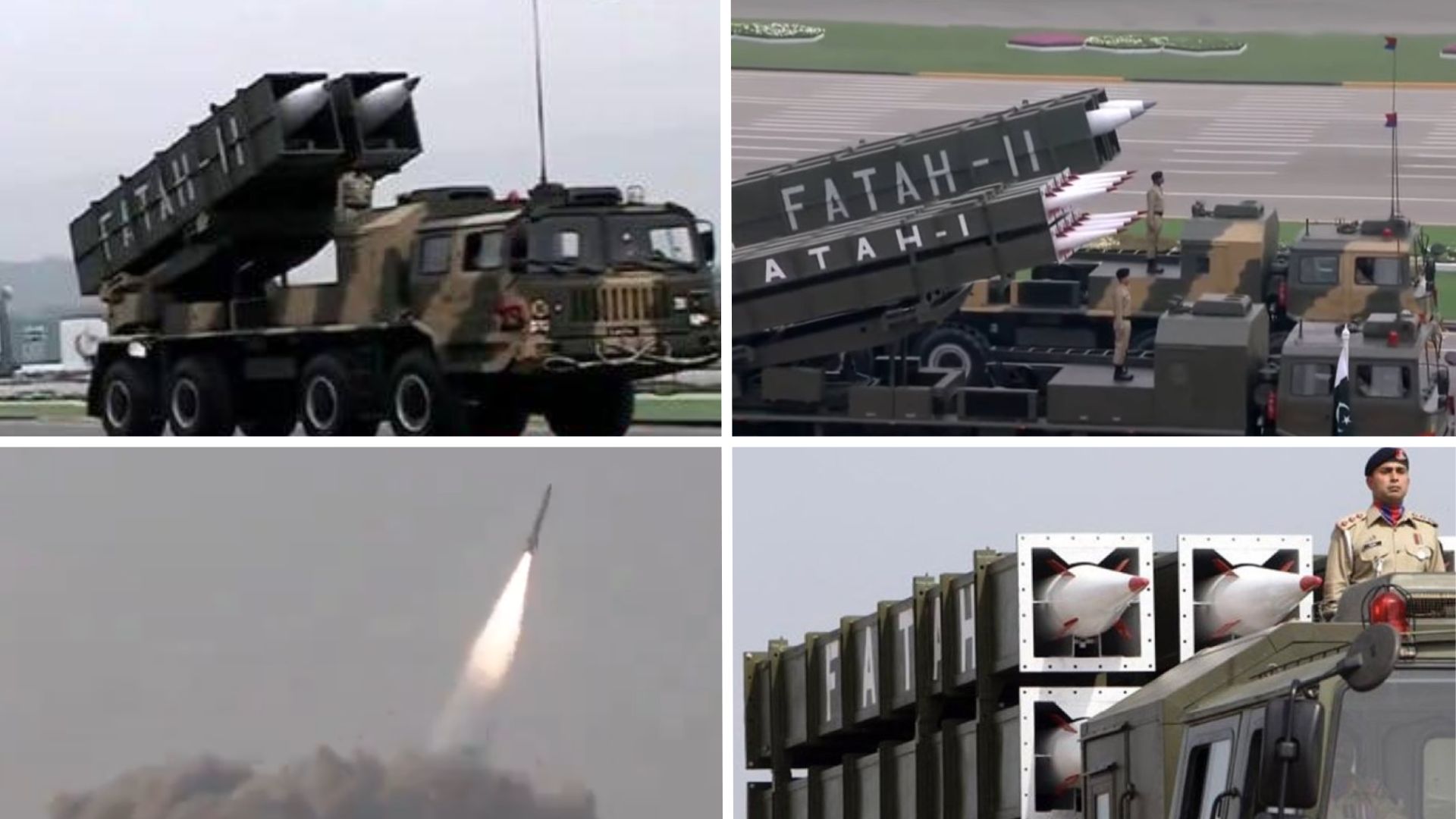
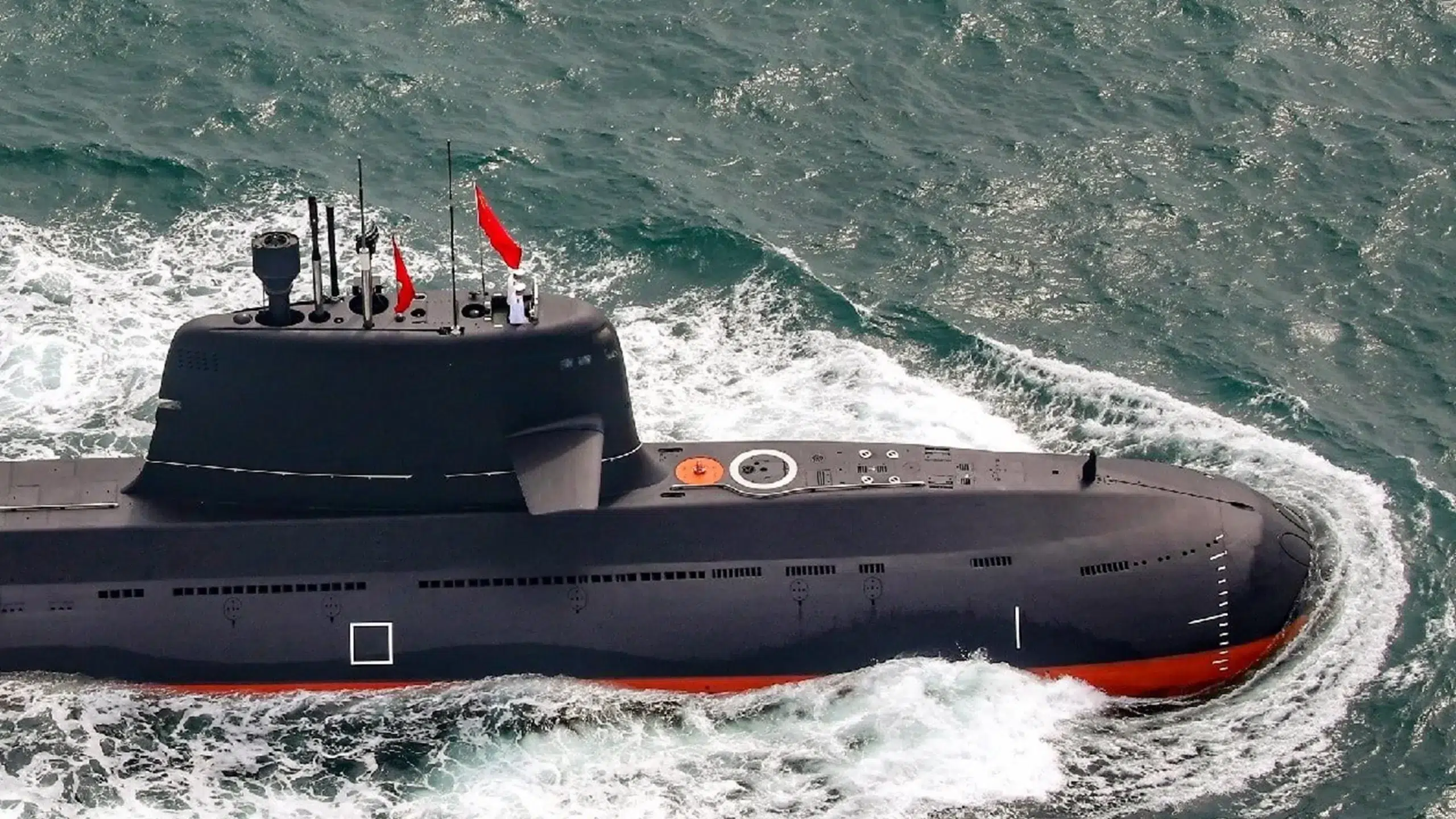
That said, the PAF is not the only Tri-Services arm aiming to indigenize munitions production; rather, this policy also seems to be a priority for the Pakistan Army (PA) and the Pakistan Navy (PN). Just like many other countries, Pakistan likely recognized the operational challenges Ukraine was facing due to its weaker munitions supply channels Thus, each of the Pakistani military’s Tri-Services tabled the production of munitions – especially guided weapons – as a goal.
Don't Stop Here. Unlock the Rest of this Analysis Immediately
To read the rest of this deep dive -- including the honest assessments and comparative analyses that Quwa Plus members rely on -- you need access.