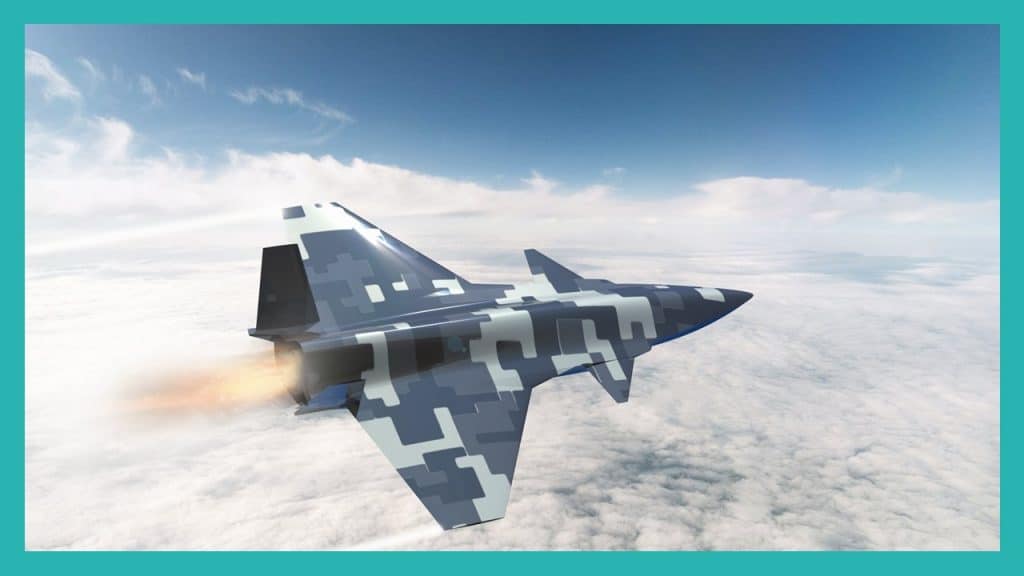
In July 2021, the Turkish drone manufacturer Baykar Makina revealed the MIUS, its concept for a carrier-capable unmanned combat aerial vehicle (UCAV).[1] One of the MIUS UCAV’s marque features is that it will be able to take-off and land from Turkey’s landing helicopter dock (LHD), TCG Anadolu, without the need for a catapult.[2] Currently, Turkey is exploring the MIUS as an alternative jet-powered, fixed-wing solution for the TCG Anadolu’s combat aircraft group. Turkey originally intended to deploy the Lockheed Martin F-35B from the LHD, but the Lightning II is no longer option due to a chill in relations between Ankara and Washington (following Turkey’s procurement of S-400 air defence systems from Russia).
The MIUS will reportedly offer a payload of 1,500 kg and flight endurance of five hours. Baykar Makina is designing the MIUS to reach a top speed of Mach 0.64.[3] Turkey intends to equip the MIUS with air-to-air missiles (AAM), air-to-surface munitions, and, reportedly, air-launched cruise missiles (ALCM). According to Selçuk Bayraktar, Baykar Makina’s CTO, the MIUS will also draw on artificial intelligence (AI) and other automation technologies so that MIUS UCAVs can operate autonomously.[4] The MIUS may use the Motor Sich AI-25 turbofan engine.[5]
The current target date for the MIUS’ maiden test flight is reportedly in 2023.[6] In its concept illustrations of the MIUS, Baykar Makina also revealed the Bayraktar TB-3, which will be an enlarged variant of the TB-2 medium-altitude long-endurance (MALE) unmanned aerial vehicle (UAV). Though Turkey is studying the idea of developing a manned fixed-wing carrier-borne fighter (potentially based on the Hürjet trainer), its initial vision for the LHD’s aviation wing centers on deploying drones.[7]
Drones would be a unique start to fixed-wing naval air operations. However, naval drone usage builds on Turkey’s operational experience – and, arguably, success – using UAVs for combat missions. By designing a UCAV that can operate on the TCG Anadolu without a catapult, Turkey is aiming to cut the time and cost to deployment by minimizing the modifications on its LHD. Turkey may not deploy autonomous UCAVs in the next few years, but remotely-operated vehicles could become a reality by 2030, if not earlier.
One of the purposes of a carrier-capability is to project power. Countries with aircraft carriers could deploy combat aircraft from the sea, thus negating the need for air bases on land near the mission area. This is a helpful capability gain in contested or hostile regions. With this context in mind, the MIUS UCAV can allow Turkey to deploy a genuine fighter-like capability. In contrast to the TB-series of UAVs, the MIUS can carry a heavier munition load suitable for air strikes, including stand-off range and anti-ship attacks.
Quwa Plus
Go Beyond the Headlines on Pakistan’s Defence and Security.
Quwa Plus gives you deeper reporting, briefings, and analysis on Pakistan’s defence programs, foreign policy, national security, and regional strategy. Follow the developments that matter to professionals, analysts, and serious readers tracking Pakistan’s security landscape.
Join ($29.99/Year) Already a subscriber?Sign in