

The JF-17 program has gone a long way in grooming the nascent Pakistani aerospace industry in a big way. The experience that has come with manufacturing large portions of a modern fourth-generation fighter jet has advanced the manufacturing and designing capabilities at Pakistan Aeronautical Complex (PAC) many folds.
It is on the success of this program that PAC hopes to embark on Project Azm: an all-encompassing program for the development of an aerospace industry in Pakistan, which includes the development of a fifth-generation fight aircraft (FGFA), a medium altitude long-endurance (MALE) unmanned aerial vehicle (UAV), munitions, and the required human resource and infrastructure for the development of these systems.
With these lofty goals in mind there is a pressing need for the development of specialist human resource and infrastructure in key areas, which is something that PAC is acutely aware of.
PAC’s website lists the following institutes that can be assumed to reflect the key areas for human resource and infrastructure development for Project Azm:
- Aviation Design Institute (AvDI),
- Mission Electronics Design Institute (MEDI),
- Aero Structures Design Institute (ASDI),
- Advanced Technologies Centre (ATC),
- and Flight Test Centre (FTC).
An institute dedicated to aircraft structures is present, but an institute called the Flight Dynamics and Control Institute (FDCI) is absent.
Reading through the details of each of the institutes gives the impression that little or no emphasis has been put on the crucial technology of flight dynamics and control systems design.
Major fighter-jet producers such as Boeing and Lockheed Martin have extensive flight dynamics and control groups and invest heavily in flight dynamics and control technologies and human resource. The lack of emphasis on this key technology in the institutional breakup for Project Azm, is thus, concerning.
This article details why flight dynamics and control systems are crucial technologies for any program that hopes to develop a fifth-generation fighter aircraft (FGFA), such as Project Azm.
It is important to contextualize the discussion and begin by discussing the current environment and state-of-the-art of flight dynamics and control systems in Pakistan. Examining the development of various existing defense products and the general focus of academic research can lead to some insights.
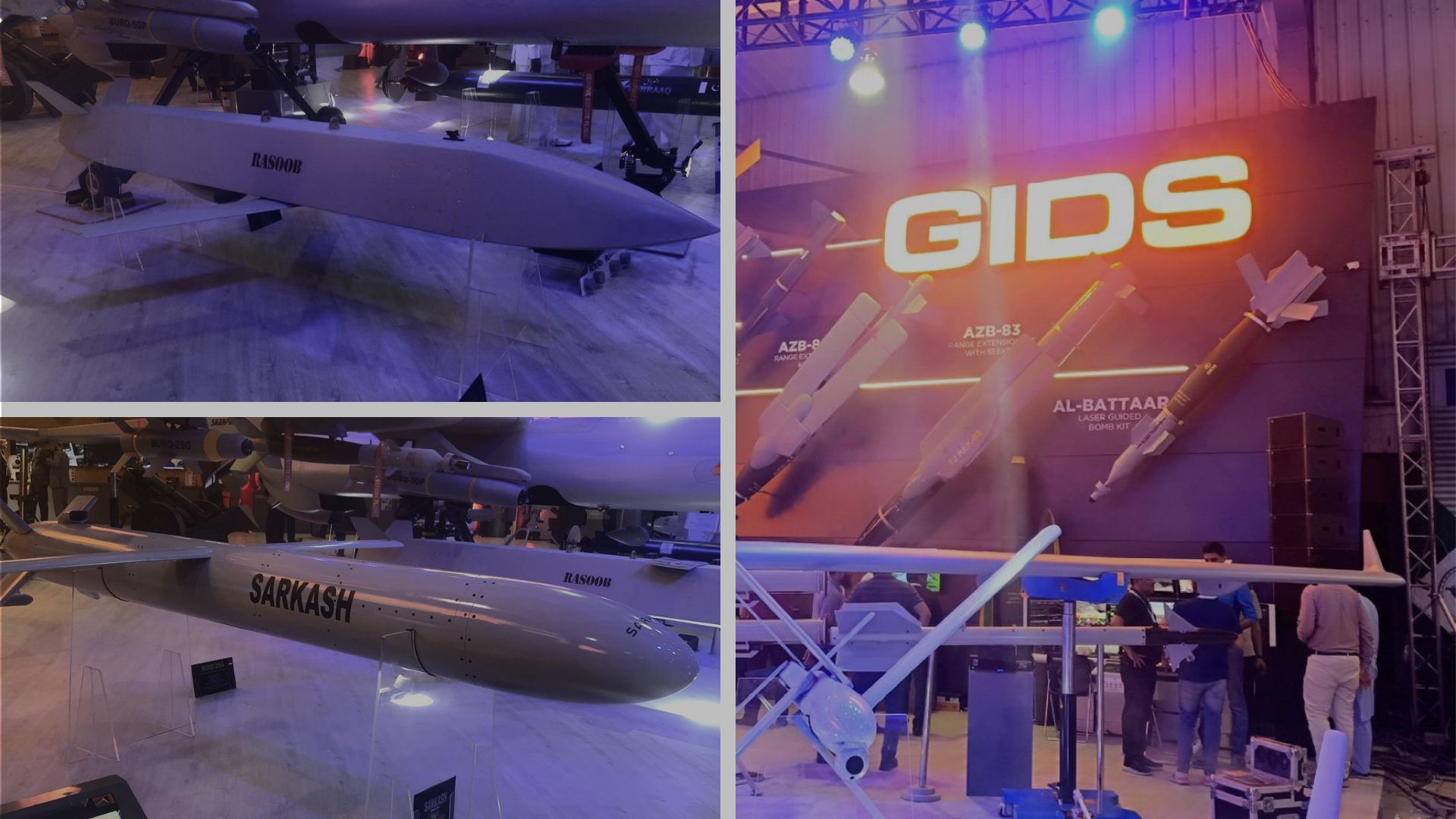
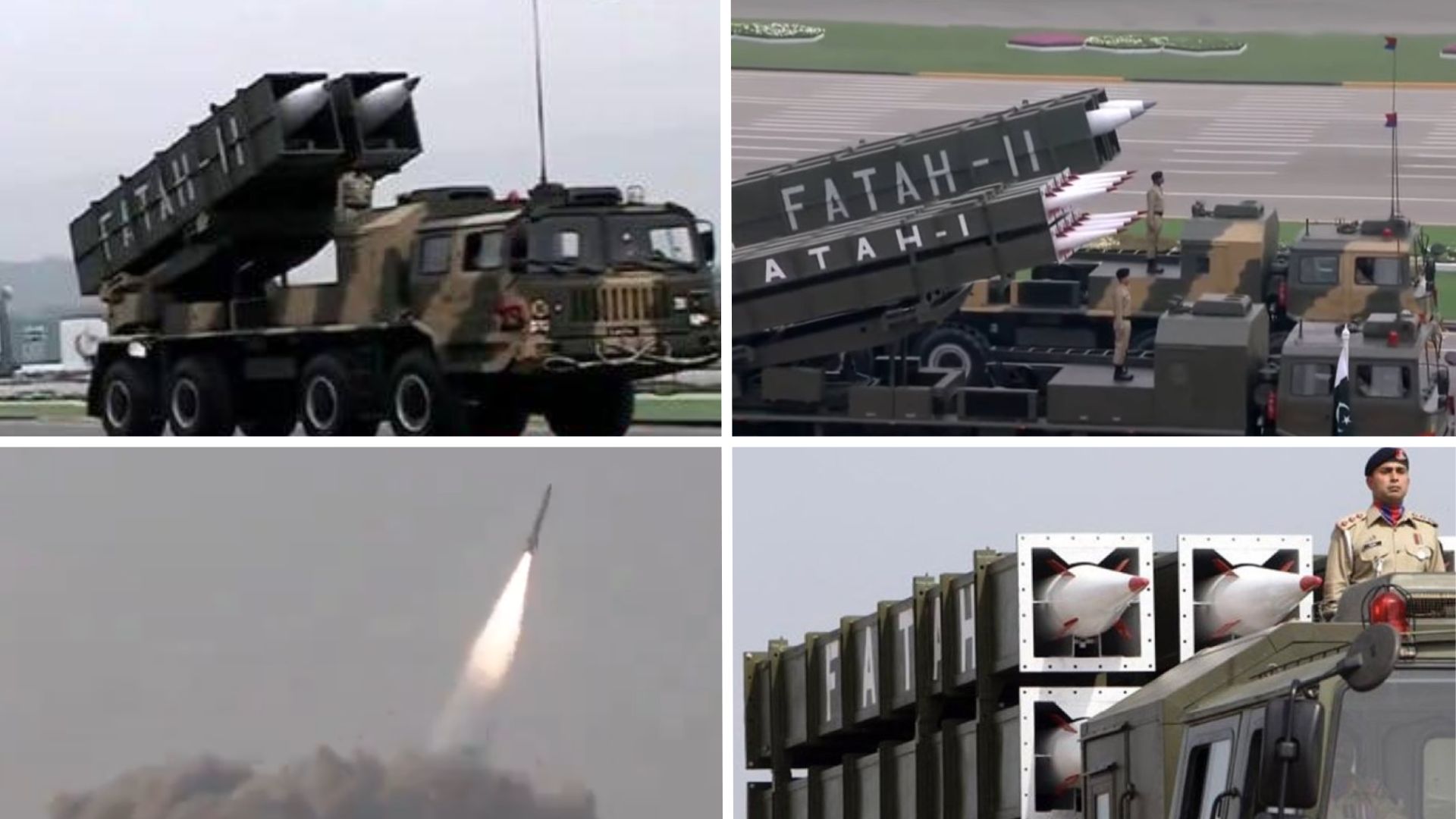
Even though there are key ways in which flight-control systems of UAVs and cruise missiles differ from those for fighter jets, Pakistan has a very successful cruise-missile program in the shape of Babur, Ra’ad, and Harbah, and a UAV program in the shape of Shahpar and Burraq.
Don't Stop Here. Unlock the Rest of this Analysis Immediately
To read the rest of this deep dive -- including the honest assessments and comparative analyses that Quwa Plus members rely on -- you need access.