
As recently as 08 April 2019, the Indian government and the Indian Air Force (IAF) insisted that the IAF had shot down a Pakistan Air Force (PAF) F-16, showing apparent radar images of the incident.
Not only did Inter Services Public Relations (ISPR) – which is the media arm of the Pakistani Armed Forces – reject New Delhi’s assertion, but it issued its own claim of the PAF downing a second IAF jet in addition to the MiG-21bis. Thus far, the only verifiable kill was that of the IAF MiG-21bis and, more broadly, the only other loss during that period was that of the IAF Mi-17 helicopter.
A Conflict Between Air Warfare Systems
However, that has not stopped either side from pushing its own narrative, which, arguably, has become an extension of sorts to the actual fight that took place. Though the cross-fire of narratives is an important dimension of the situation, there is another – more traditional – dimension: the fact that this was the first orchestrated battle between two comparable air forces in the network-centric warfare age.
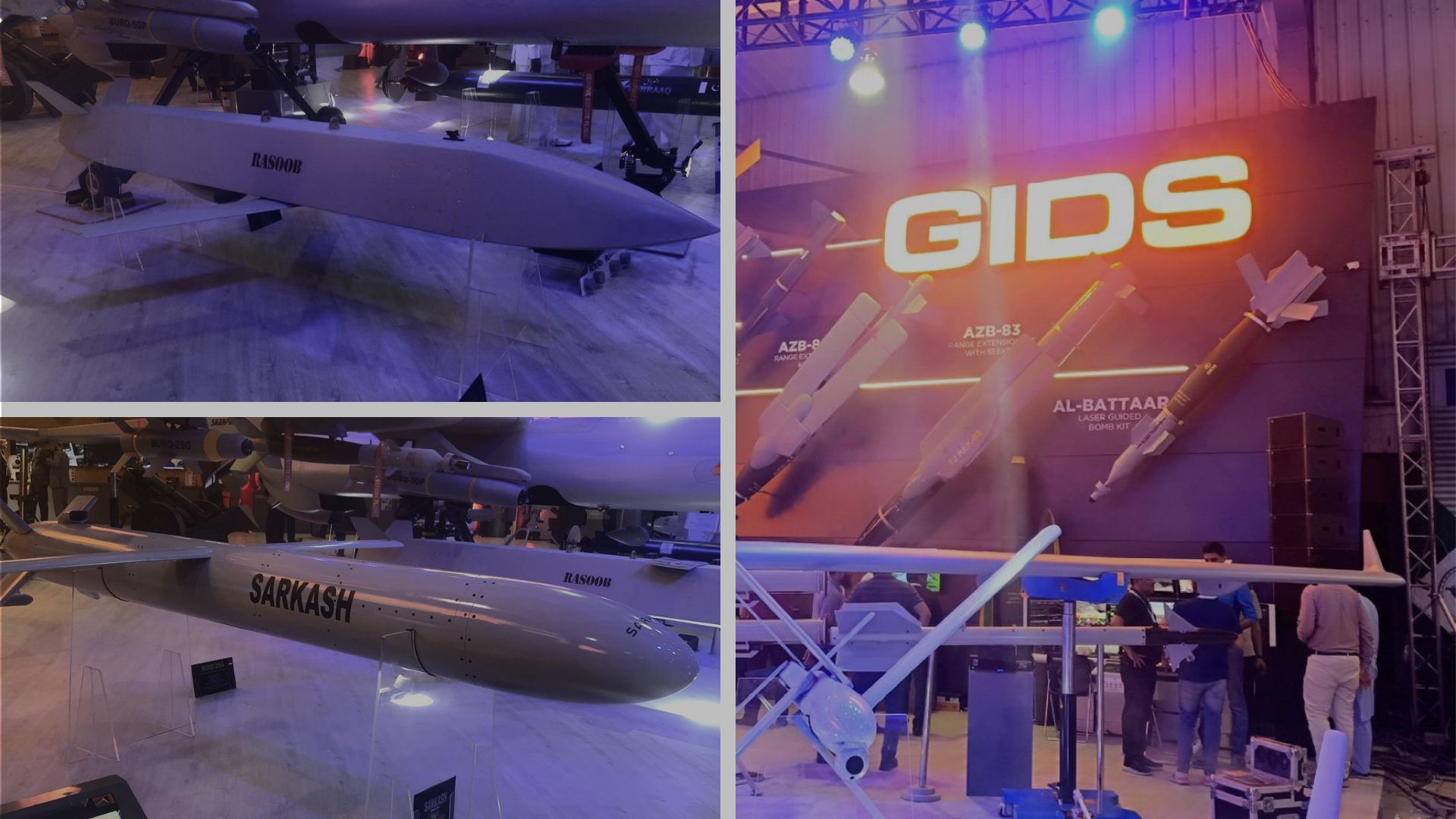
Both the PAF and the IAF had used their respective airborne early warning and control (AEW&C) aircraft, electronic warfare (EW) and electronic countermeasure (ECM) systems, stand-off weapons (SOW), and in the PAF’s case, beyond-visual-range air-to-air missiles (BVRAAM).
In effect, this engagement set the reality that fighter aircraft, no matter their technical specifications, will seldom operate on a stand-alone basis without AEW&C, EW, and supporting fighter units. Moreover, it is also plausible that within this framework, a fighter as old as the MiG-21bis could down a newer and more advanced adversary provided it leverages contemporary technology, such as EW/ECM.
Quwa Plus
Go Beyond the Headlines on Pakistan’s Defence and Security.
Quwa Plus gives you deeper reporting, briefings, and analysis on Pakistan’s defence programs, foreign policy, national security, and regional strategy. Follow the developments that matter to professionals, analysts, and serious readers tracking Pakistan’s security landscape.